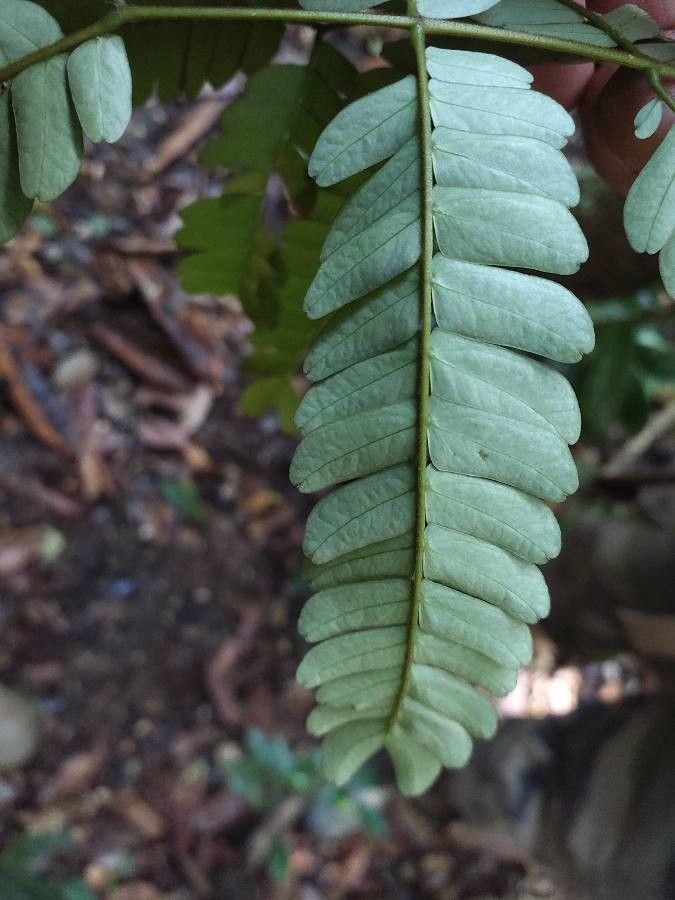
Hey there, fellow plant lovers!
Today, we’re diving into the wonderful world of Zygia racemosa, also known as the Coral Shower tree. If you’ve ever seen one of these beauties, you know why it’s so captivating. Those trailing clusters of vibrant, coral-pink flowers are just stunning, aren’t they? They cascade down like a floral waterfall, attracting all sorts of pollinators. And guess what? You can bring that magic into your own garden! Propagating your own Zygia racemosa is incredibly rewarding. It’s a chance to share its beauty or simply expand your collection without a hefty price tag. Now, before you get worried, Zygia racemosa isn’t the trickiest plant to propagate, but it does appreciate a little know-how. It’s a good starter project for someone looking to branch out from the very basics.
The Best Time to Start
I find the absolute best time to propagate Zygia racemosa is during its active growing season. Think late spring through summer. This is when the plant has plenty of energy to put into root development. You’ll want to take cuttings from stems that are firm and mature, but still somewhat flexible – not woody and brittle.
Supplies You’ll Need
To get started, gather these essentials:
- Sharp, clean pruning shears or a sharp knife: Crucial for making clean cuts to prevent disease.
- Rooting hormone powder or gel: This is like a little booster shot for your cuttings, encouraging them to form roots faster.
- A well-draining potting mix: I like to use a blend of equal parts peat moss or coco coir and perlite or coarse sand. This ensures good aeration and prevents waterlogging. You can also buy specialized succulent or cactus mixes.
- Clean pots or trays: Small pots are best for individual cuttings. Make sure they have drainage holes!
- Plastic bags or a propagation dome: To create a humid environment for your cuttings.
- Optional: Bottom heat mat: This can significantly speed up rooting, especially in cooler conditions.
Propagation Methods: Stem Cuttings
This is my go-to method for Zygia racemosa, and it works like a charm.
- Select Your Cuttings: With your clean shears, choose a healthy stem that’s about 6-8 inches long. Look for a stem that has flowered recently, as these often have good rooting potential. Cut just below a leaf node – that’s where a leaf attaches to the stem.
- Prepare the Cuttings: Gently remove the lower leaves from the cutting, leaving just a few at the top. This prevents them from rotting in the soil. You can also dip the cut end into water briefly if you’re using rooting hormone powder, to help it adhere.
- Apply Rooting Hormone: Dip the moistened cut end into your rooting hormone powder or gel. Ensure it’s evenly coated.
- Plant Your Cuttings: Fill your pots with the prepared potting mix. Make a small hole with your finger or a pencil in the center. Gently insert the cutting into the hole, ensuring the rooting hormone-coated part is in the soil. Firm the soil around the stem.
- Create Humidity: Water the soil lightly until it’s evenly moist but not soggy. Then, cover the pot with a plastic bag or propagation dome. Make sure the bag doesn’t touch the leaves of your cutting. If you’re using a spray bottle, give the inside of the bag a mist.
The “Secret Sauce” (Pro Tips)
Here are a couple of things I’ve learned that really make a difference:
- Don’t let the leaves touch the water: If you’re doing water propagation (which I’ll touch on briefly below, though cuttings are better for this plant!), this is paramount. Submerged leaves will rot, and that rot can travel down the stem and kill your cutting before it even has a chance to root.
- Bottom heat is your best friend: Especially if you’re propagating in spring or early summer when nighttime temperatures can still dip. Placing your pots on a heated mat that provides a consistent temperature of around 70-75°F (21-24°C) will dramatically speed up root development. It mimics the warmth of the soil in its native environment.
- Consider taking cuttings from softer growth: While mature stems are generally best, sometimes taking cuttings from slightly “green” wood (stems that are firm but haven’t fully hardened) can also be very successful, especially if you provide good humidity and warmth.
Aftercare & Troubleshooting
Once your cuttings are potted, place them in a bright, indirect light location. Avoid direct sun, which can scorch the tender cuttings. Keep the soil consistently moist – not wet. You can check this by gently feeling the soil.
Check for roots after a few weeks. You’ll know they’re rooting when you see new leaf growth or feel a slight resistance when you gently tug on the cutting. Once a good root system has developed (you might see roots peeking out of the drainage holes), you can gradually acclimate your new plant to normal conditions. This means slowly removing the plastic bag or dome over a week or so, and eventually repotting into a slightly larger container.
The most common sign of failure is wilting and blackening. This often indicates rot, usually caused by overwatering or poor drainage. If you see this, it’s usually best to discard the cutting and start fresh. Sometimes, cuttings just don’t take, and that’s okay too! Don’t be discouraged.
A Encouraging Closing
Propagating Zygia racemosa is a journey, and like all gardening, it’s about patience and observation. Don’t be afraid to experiment a little. Celebrate every tiny leaf and every new root. Soon, you’ll have your very own coral shower blooming, and the satisfaction you’ll feel will be immense. Happy propagating!
Resource: