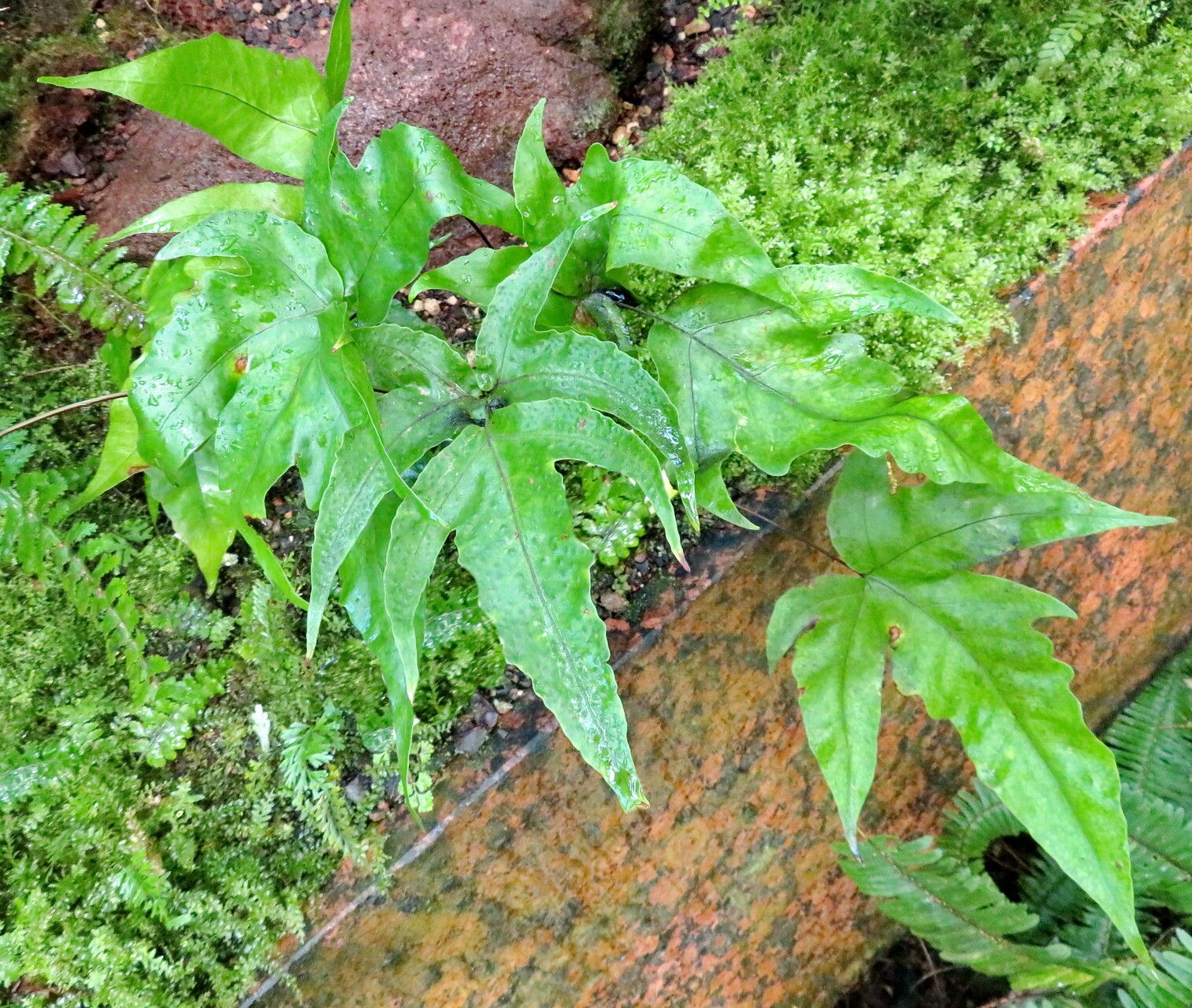
Oh, hello there! Pull up a chair and let’s chat about a fern that’s truly captured my heart over the years: Tectaria trifoliata. If you’re looking for a bit of lush, tropical drama for your shade garden or a wonderfully textured specimen for your indoor jungle, then this is your plant. Its beautiful, three-lobed leaves are just so elegant. Propagating it, I’ve found, is a really satisfying journey, and I think you’ll find it quite approachable, even if you’re just starting out on your propagation adventure.
The Best Time to Start
When it comes to Tectaria trifoliata, spring is your golden ticket. This is when the plant is bursting with new growth and has the most energy to dedicate to making new babies. You’ll see new fronds unfurling, and that’s your cue that it’s ready to share its magic. Aim for a time when your indoor temperatures are consistently warm, or when outdoor conditions in your region are safely past the last frost.
Supplies You’ll Need
To give your Tectaria trifoliata a good head start, gather these essentials:
- Sterilized potting mix: A well-draining blend is crucial. I like to use a mix of peat moss or coco coir, perlite, and a bit of orchid bark. You can also buy specialized fern mixes.
- Sharp, clean pruning shears or a knife: For making clean cuts. Sterilize them with rubbing alcohol between uses.
- Small pots or trays: Whatever you have on hand will work, as long as they have drainage holes.
- Clear plastic bag or humidity dome: To create a mini-greenhouse effect.
- Optional: Rooting hormone: This can give cuttings a little extra boost, though Tectaria trifoliata often roots quite readily without it.
- Spray bottle: For misting.
Propagation Methods
Tectaria trifoliata is a wonderfully forgiving fern, and the most successful way I’ve found to propagate it is through division. While stem cuttings aren’t typically the go-to for this particular fern, division is incredibly effective.
Division:
- Gently remove the plant from its pot. Choose a mature, healthy specimen that looks like it’s ready to be divided. You might see distinct clumps or sections emerging from the rhizome.
- Inspect the rhizome. This is the thick, underground stem. You’re looking for natural separation points where the rhizome has branched.
- Carefully pull the clumps apart. You can use your hands for this, or if it’s a bit stubborn, use a clean knife or your sterilized pruning shears to make a clean cut through the rhizome. Make sure each new division has at least one or two healthy fronds and a good portion of the rhizome with some visible root nubs.
- Pot up your divisions. Plant each section in its own pot filled with your prepared potting mix. The top of the rhizome should be just at or slightly below the soil surface.
- Water thoroughly. Give each new pot a good watering to settle the soil.
The “Secret Sauce” (Pro Tips)
I’ve learned a few tricks over the years that really help with propagation:
- Don’t drown your cuttings (if you were to try cuttings): Though division is primary, if you ever attempt something by leaf or rhizome section, the biggest mistake is letting them sit in soggy soil. They need moisture, yes, but not a swamp. Good drainage is paramount.
- Enclose them for humidity: Those little pots really benefit from a humid environment. Covering them with a clear plastic bag or a humidity dome traps moisture and keeps the air around your new plantlets nice and steamy. Just make sure to open the bag or dome for a few minutes each day to allow for air circulation and prevent fungal issues.
- Patience is key: Some plants are super speedy propagators, but ferns, especially when dividing, can take their time. Don’t get discouraged if you don’t see rapid growth. They are establishing their root systems underground first.
Aftercare & Troubleshooting
Once your new Tectaria trifoliata divisions are potted up, keep them in a bright spot with indirect light. Don’t let them dry out completely, but also don’t let them sit in water. A good watering when the top inch of soil feels dry is usually perfect.
The most common issue you might encounter is rot. This usually happens if the soil is too wet and there isn’t enough air circulation. If you see any parts of your new plant turning mushy or black, remove them immediately. It’s better to err on the side of slightly too dry than too wet. If you see signs of wilting after you’ve provided consistent moisture, it might be a sign that the roots haven’t established yet, and the struggle is real for a little while. Keep the humidity high and keep caring for it.
So there you have it! Propagating Tectaria trifoliata is a rewarding way to expand your collection or share these beautiful ferns with friends. Be patient, give them a good start, and you’ll be rewarded with more of that gorgeous foliage. Happy growing!
Resource:
https://identify.plantnet.org/k-world-flora/species/Tectaria%20trifoliata%20(L.)%20Cav./data