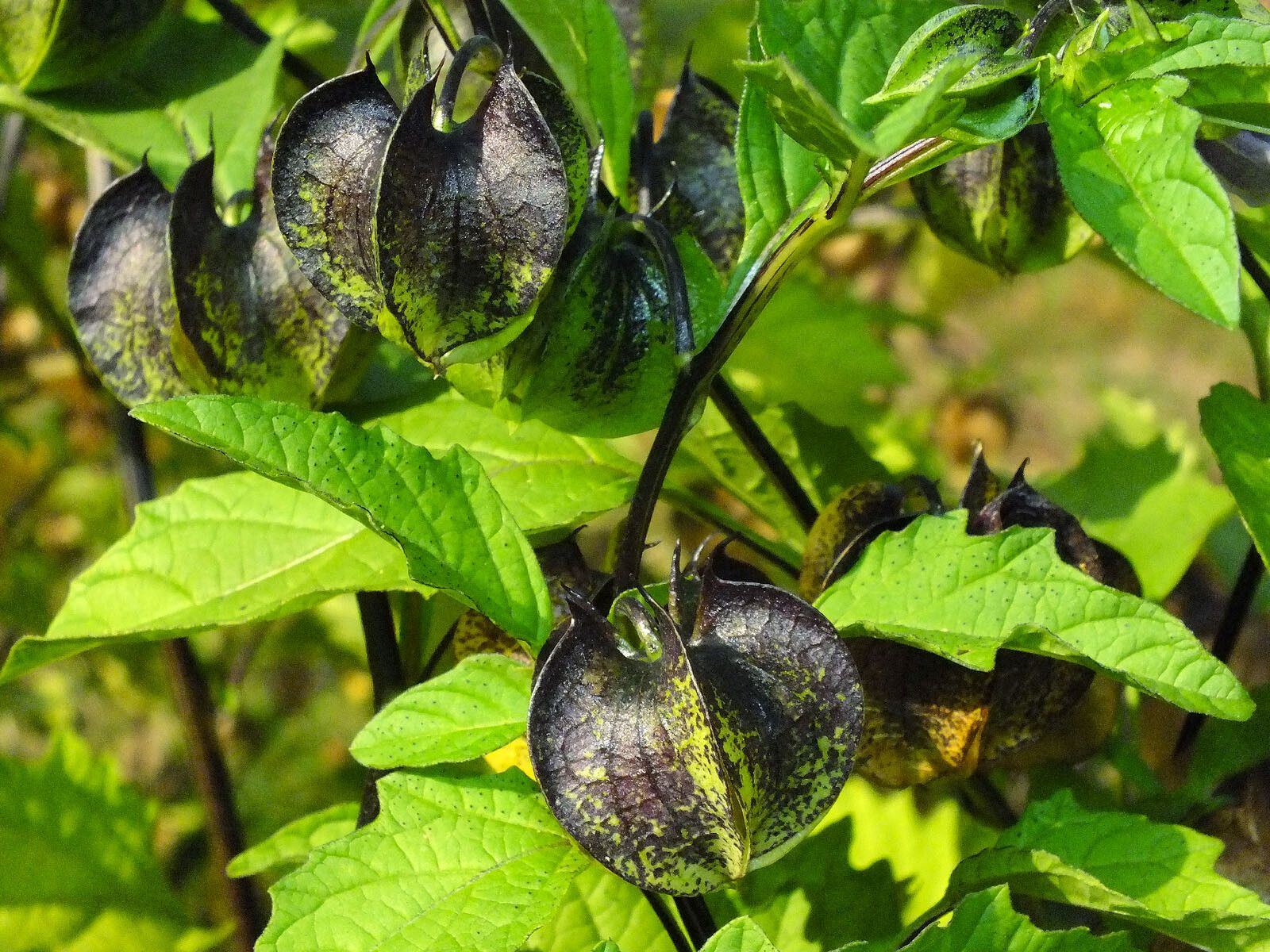
Hello, fellow plant enthusiasts! I’ve been digging in the dirt for two decades now, and I still get a thrill every time I coax a new life from a snippet of something existing. Today, we’re diving into the wonderful world of Nicandra physalodes, often called Shoo Fly Plant.
The Allure of the Shoo Fly Plant
Why bother with Nicandra? Well, for starters, it’s a delightful, fast-growing annual with interesting, bell-shaped blue flowers that nod gently in the breeze. The papery, lantern-like seed pods that follow are just gorgeous and add a unique architectural element to dried arrangements. Plus, as its common name suggests, it’s said to deter flies. Best of all, for us gardeners, Nicandra physalodes is remarkably easy to propagate. Even if you’re just starting out, this plant will give you heaps of confidence.
When to Get Growing
The absolute best time to propagate Nicandra physalodes is in the late spring to early summer. This is when the plant is actively growing and has plenty of energy to put into developing new roots. You’re looking for healthy, non-flowering shoots to work with.
Your Propagation Toolkit
Gathering your supplies beforehand makes the process so much smoother. Here’s what you’ll want:
- Sharp, clean pruning shears or a sharp knife: For making precise cuts.
- Small pots or seed trays: I prefer small ones for cuttings, maybe 3-4 inches in diameter.
- A good potting mix: A light, well-draining mix is key. You can use a standard seed-starting mix, or make your own by combining equal parts peat moss, perlite, and a little bit of compost.
- Rooting hormone (optional but recommended): This powder or gel helps stimulate root development.
- Plastic bags or domes: To create a humid environment for your cuttings.
- A spray bottle: For misting.
- Labels and a marker: To keep track of your experiments!
Bringing New Nicandra to Life
Nicandra physalodes is a joy to multiply. Here are the easiest ways to do it:
1. Stem Cuttings (My Go-To!)
This is my favorite method because it’s so rewarding and quick.
- Select your parent plant: Find a healthy, vigorous Nicandra with plenty of good growth.
- Take your cuttings: Using your clean shears, take softwood cuttings that are about 4-6 inches long. Look for stems that are still a bit flexible, not woody. Make your cut just below a leaf node (where a leaf joins the stem).
- Prepare the cuttings: Gently remove the lower leaves, leaving just a couple at the very top. This prevents them from rotting in the soil.
- Dip in rooting hormone: If you’re using it, dip the cut end of each stem into the rooting hormone powder. Tap off any excess.
- Plant the cuttings: Fill your small pots with your prepared potting mix. Make a hole with your finger or a pencil, and gently insert the cutting, making sure the nodes where you removed the leaves are covered by soil. Firm the soil gently around the stem.
- Water and cover: Water the soil thoroughly until it’s evenly moist, but not soggy. Then, cover the pot with a clear plastic bag or a humidity dome. This is crucial for creating that greenhouse effect.
2. Water Propagation
This method is so satisfying to watch develop.
- Take your cuttings: Follow steps 1 and 2 from the stem cuttings method.
- Remove lower leaves: Again, take off all but the top couple of leaves.
- Place in water: Find a clean glass or jar and fill it with fresh, room-temperature water. Place your cuttings in the water, making sure the leaf nodes you removed are submerged.
- Change the water regularly: Over the next few weeks, change the water every few days to keep it fresh and prevent bacterial growth.
The “Secret Sauce” – My Insider Tips
After years of trial and error, I’ve picked up a few tricks that seem to make all the difference:
- Don’t let the leaves touch the water: In water propagation, any submerged leaves are a direct invitation for rot. Pinch them off cleanly so only the stem is in the water.
- Bottom heat is your friend: If you have the space, placing your pots of cuttings on a gentle heat mat can significantly speed up root formation. It mimics the warmth of spring soil and gives those roots a real boost.
- Humidity is king (for cuttings!): Don’t be tempted to open that plastic bag too often! High humidity is what prevents the cuttings from drying out before they can establish roots. Think of it as a mini-greenhouse.
Aftercare and What to Watch For
Patience is a virtue, as they say!
- Checking for roots: After about 2-3 weeks, you can gently tug on a cutting. If there’s resistance, you have roots! You can also look for new leaf growth, which is a good sign. For water propagation, you’ll see roots visibly forming.
- Transplanting: Once your cuttings have a good network of roots (about an inch long), it’s time to move them to their own pots. Acclimate them gradually to drier air by slowly opening the bag over a few days. Plant them in their own small pots with good potting mix.
- Troubleshooting rot: The most common issue is rot. If your cuttings are wilting, turning mushy, or smell bad, they’ve likely rotted. Often, this is due to too much moisture or lack of air circulation. Discard any rotted cuttings and try again, perhaps with a slightly drier mix or by ensuring your humidity dome has small vents.
Go Forth and Propagate!
Seeing those tiny roots emerge, knowing you’ve helped create new life from just a cutting, is one of gardening’s purest joys. Nicandra physalodes makes it incredibly accessible, so don’t be shy. Give it a try, embrace the process, and soon you’ll have more of these lovely plants than you know what to do with! Happy gardening!
Resource:
https://identify.plantnet.org/k-world-flora/species/Nicandra%20physalodes%20(L.)%20Gaertn./data