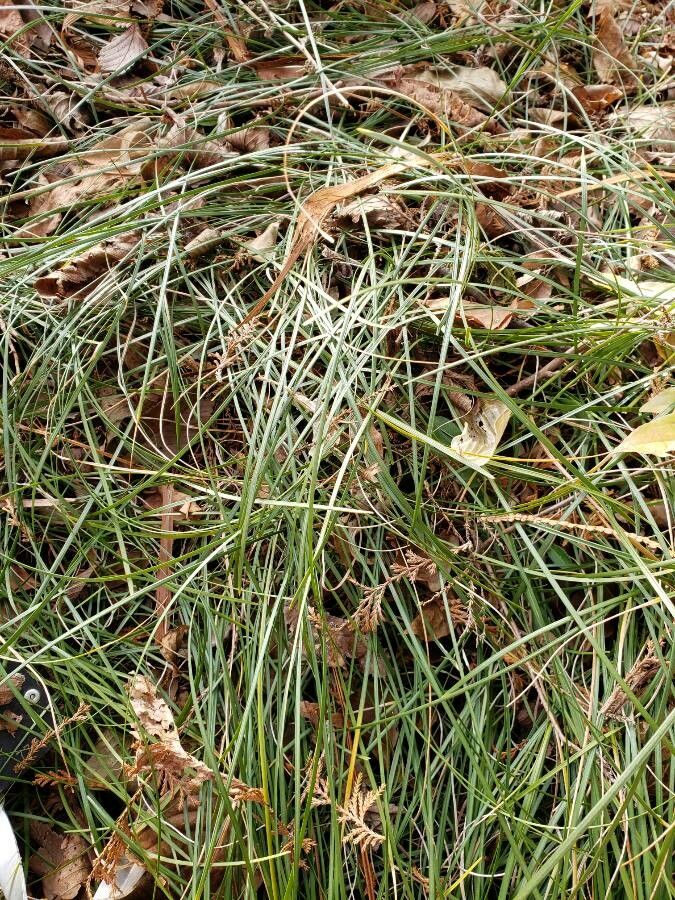
Hello, fellow garden enthusiasts! It’s a joy to have you here. Today, we’re diving into the wonderful world of Liriope minor, also known as Little Liriope or Dwarf Lilyturf. If you’re a fan of its dainty spikes of lavender-blue flowers and neat, grassy foliage, you’re in for a treat. Propagating Liriope minor is a fantastic way to fill your garden with more of these delightful plants, or to share them with friends. And the best part? It’s wonderfully beginner-friendly! Even if you’ve never propagated a plant before, you can absolutely succeed with Liriope minor.
The Best Time to Start
The absolute sweet spot for propagating Liriope minor is in late spring or early summer. That’s when the plant is actively growing and has plenty of energy. You’ll see new shoots emerging, and the soil is warming up. This vigorous growth period makes it much easier for cuttings or divisions to establish themselves.
Supplies You’ll Need
Gathering your tools beforehand makes the whole process smoother. Here’s what I usually have on hand:
- Sharp pruning shears or a clean knife: For making neat cuts that heal well.
- Well-draining potting mix: A good quality potting soil mixed with some perlite or coarse sand works beautifully.
- Small pots or containers: With drainage holes, of course! Recycled yogurt cups or small nursery pots are perfect.
- Rooting hormone (optional but helpful): This can give your cuttings a little boost.
- Watering can with a fine rose spray: For gentle watering.
- Labels and a marker: So you don’t forget what you planted where!
Propagation Methods
Liriope minor is remarkably versatile, and the easiest way to get more of it is through division. Think of it as Liriope having a little family, and you’re helping them spread out!
Division: The Easiest Route
- Dig Up the Plant: In late spring or early summer, gently dig up an established Liriope minor clump. You don’t need to yank it out of the ground; a trowel around the edges and a gentle lift usually does the trick.
- Loosen the Roots: Once it’s out, gently shake off excess soil. You’ll see that the clump has formed smaller sections, often connected by rhizomes. Carefully pull these sections apart with your hands. If they’re stubborn, you can use your knife or shears to help divide them. Aim for sections that have both roots and some foliage.
- Replant Them: Immediately replant your divisions into their new spots in the garden or into pots filled with your prepared potting mix. Make sure the crown (where the leaves emerge from the roots) is at soil level.
- Water In: Water them thoroughly to settle the soil around the roots.
Stem Cuttings: A Bit More Patience
While division is king, you can also try cuttings, especially if you want to start a lot of plants from a single specimen or want to experiment.
- Take Cuttings: In late spring or early summer, select a healthy stem with several leaves. Using your sharp shears, cut the stem about 2-3 inches below a leaf node (the point where a leaf attaches to the stem). You want to take several cuttings from different parts of your Liriope plant.
- Prepare the Cuttings: Pinch off the lower leaves, leaving just two or three at the top. If the leaves are very large, you can even cut them in half to reduce water loss.
- Dip in Rooting Hormone (Optional): If you’re using rooting hormone, dip the cut end of each stem into the powder or gel. Tap off any excess.
- Plant the Cuttings: Insert the cut end of each cutting into your pot filled with a moist, well-draining mix. Make a small hole with a pencil or your finger to avoid rubbing off the rooting hormone. Plant them about 1-2 inches deep, making sure a leaf node is buried in the soil.
- Create a Humid Environment: Cover the pot loosely with a plastic bag or place it in a propagation tray. This keeps the humidity high, which is crucial for cuttings. Open it daily for a few minutes to allow for air circulation and prevent fungal issues.
- Place in Indirect Light: Keep the pots in a bright spot but out of direct sunlight, which can scorch the delicate cuttings.
The “Secret Sauce” (Pro Tips)
Here are a couple of things I’ve learned over the years that really make a difference:
- Don’t let the leaves of cuttings touch the water in a misting application. If you’re misting your cuttings to keep them hydrated, be mindful that water sitting on leaves for too long can encourage fungal diseases. A gentle mist is fine, but avoid puddles. With Liriope, this is less of an issue with potting mix propagation, but still good to keep in mind for any plant.
- Consider bottom heat for cuttings. While Liriope is pretty forgiving, placing your pots on a gentle heat mat can speed up root development significantly. It mimics the warmth of spring soil and gives those little roots an extra nudge.
Aftercare & Troubleshooting
Once your divisions or cuttings have taken root (you’ll see new growth and feel some resistance when you gently tug on a cutting), they’re ready for a little more focused care.
- Watering: Keep the soil consistently moist but not waterlogged. As the new plants grow stronger, you can gradually acclimate them to your regular watering schedule.
- Light: Continue to provide bright, indirect light.
- Troubleshooting: The most common issue you might encounter is rot. This usually happens when the soil stays too wet or the air circulation is poor, especially with cuttings. If you see leaves turning yellow and mushy, or stems going soft at the base, it’s likely rot. Remove the affected plant part immediately and ensure better drainage and airflow. For divisions, if they aren’t showing signs of life after a few weeks, they may not have had enough root material, or the conditions weren’t ideal. Don’t despair – try again!
A Little Patience Goes a Long Way
Propagating plants is a journey, not a race. It takes a bit of time and observation, but the reward of seeing your Liriope minor thrive and knowing you’ve helped it grow is deeply satisfying. Be patient with yourself and your new plants. Happy propagating, and enjoy the green goodness!
Resource:
https://identify.plantnet.org/k-world-flora/species/Liriope%20minor%20(Maxim.)%20Makino/data