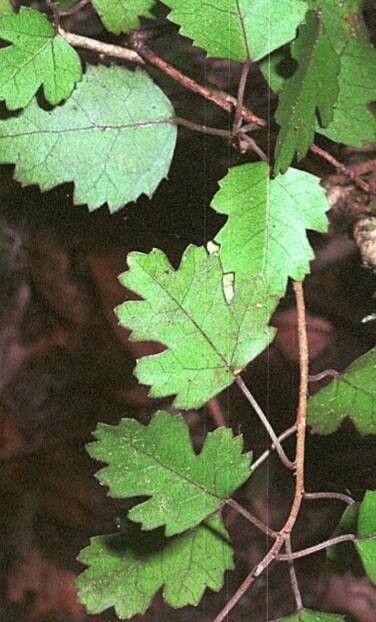
Oh, hello there! So glad you’ve stopped by. Today, we’re diving into the wonderful world of propagating Hoheria sexstylosa, or as I affectionately call it, the Lacebark tree. If you’ve ever seen one of these beauties in bloom, you know why it’s such a joy to have in the garden. Its abundant, star-shaped white flowers in late summer and autumn are simply breathtaking, and the peeling, papery bark adds a unique textural element, even in winter.
Want to share this garden charm with friends, or simply expand your own collection? I find propagating them incredibly rewarding. Most folks find Hoheria sexstylosa quite cooperative when it comes to taking cuttings, which makes it a lovely plant for those just starting out on their propagation journey.
The Best Time to Start
Timing is everything, isn’t it? For the highest success rate with Hoheria sexstylosa, I’ve found that semi-ripe cuttings taken in mid to late summer are your golden ticket. This is when the new growth has started to firm up but is still flexible. You want wood that snaps cleanly when bent, not bends limply (that’s too soft) or is completely rigid (that’s too hard).
Supplies You’ll Need
Let’s get our tools ready. Having everything on hand makes the process so much smoother, trust me.
- Clean, sharp pruning shears or a knife: For making clean cuts.
- Rooting hormone powder or gel: Not strictly essential for Hoheria, but it can give your cuttings a boost.
- Seed starting mix or a blend of equal parts peat moss and perlite: This provides good drainage and aeration. Avoid heavy garden soil!
- Small pots or seed trays: Clean ones are key to preventing disease.
- Plastic bags or a propagator lid: To create a humid environment.
- Gravel or perlite: For the bottom of pots if water propagating.
- Small labels and a pen: To remember what you’ve planted and when.
Propagation Methods
We’ll focus on the most reliable methods for this lovely tree.
Stem Cuttings (My Go-To!)
This is generally the most successful and easiest method for Hoheria sexstylosa.
- Select Your Cuttings: In mid to late summer, choose healthy, non-flowering shoots from the current season’s growth. Look for those semi-ripe stems.
- Take the Cuttings: Using your clean shears, take cuttings that are about 4-6 inches long. Make a clean cut just below a leaf node (where a leaf attaches to the stem). This is where the rooting hormones are most concentrated.
- Prepare the Cuttings: Remove the lower leaves from the cutting, leaving just one or two at the very top. If the remaining leaves are very large, you can snip them in half horizontally to reduce water loss through transpiration.
- Apply Rooting Hormone: Dip the cut end of each cutting into rooting hormone powder or gel. Tap off any excess.
- Potting Up: Fill your small pots or trays with your prepared potting mix. Make a hole with a pencil or your finger – this prevents you from rubbing off the rooting hormone when you insert the cutting.
- Insert the Cuttings: Carefully place each cutting into a prepared hole, ensuring the nodes where you removed the leaves are buried. Firm the soil gently around the base.
- Water Gently: Water thoroughly but gently to settle the soil around the cuttings.
- Create Humidity: Cover the pots with a clear plastic bag, secured with a rubber band, or use a propagator lid. Make sure the leaves don’t touch the plastic. Air out the cuttings for a few minutes every couple of days to prevent fungal issues.
Water Propagation (A Visual Treat!)
If you’re a visual person, this method is quite satisfying, though I find cuttings often establish better in soil.
- Take Cuttings: Follow steps 1-3 from the stem cutting method.
- Prepare Your Container: Choose a clean glass jar or vase. You can add a small layer of perlite or gravel to the bottom if you like, but it’s not essential.
- Add Water: Fill the container with clean, fresh water.
- Place Cuttings: Place the prepared cuttings into the water, ensuring no leaves are submerged. Again, trim off any lower leaves that would fall below the water line.
- Location: Place the container in a bright spot, but out of direct, harsh sunlight.
- Change Water Regularly: Change the water every few days to keep it fresh and prevent rot or stagnation.
The “Secret Sauce” (Pro Tips)
Here are a couple of things I’ve learned over the years that can really make a difference.
- Bottom Heat is Your Friend: While not strictly necessary, placing your pots on a heating mat designed for cuttings can significantly speed up the rooting process, especially if your ambient room temperature isn’t very warm. It encourages those roots to get going.
- “Wound” the Base (Optional but helpful!): For slightly more stubborn cuttings, you can very gently scrape away a thin sliver of bark (about 1/4 inch) from the bottom of the stem on one side. This exposes the cambium layer and can sometimes encourage more vigorous rooting. Do this before applying the rooting hormone.
Aftercare & Troubleshooting
Once you start seeing signs of life, you’re on your way!
- Root Development: For stem cuttings, roots typically appear within 4-8 weeks. You can gently tug on a cutting to feel for resistance, or look for roots emerging from the drainage holes. For water propagation, you’ll see roots emerging from the stem.
- Transplanting: Once your cuttings have a good set of roots (at least an inch long for soil-rooted cuttings, or when they look robust in water), it’s time to transplant them into individual pots filled with a good quality potting mix. Continue to keep them moist but not waterlogged.
- Acclimatize Gradually: If you’ve been using a propagator or plastic bag, gradually reduce the humidity over a week or two before removing the cover completely. This helps your new plant adjust.
- Common Issues:
- Rotting: This is the most common problem. It’s usually caused by overwatering or poor drainage. If a cutting turns black and mushy, sadly, it’s time to let it go. Ensure good air circulation and don’t let the soil stay soggy.
- Wilting: Some initial wilting is normal as the cutting adjusts. If it persists, check your watering. Too much or too little can cause wilting. Make sure the humidity is good.
- No Roots: Be patient! Some plants take longer than others. Discard any cuttings that show clear signs of rot. If they look healthy but no roots appear after 2-3 months, they may not have taken.
A Little Patience Goes a Long Way
Propagation is a journey, and while some plants are more eager than others, there’s immense satisfaction in nurturing a new life from a tiny cutting. Don’t be discouraged if every single one doesn’t make it. Learn from each attempt, keep your tools clean and your spirits high. Before you know it, you’ll have a little nursery of your own Lacebark trees! Happy gardening!
Resource:
https://identify.plantnet.org/k-world-flora/species/Hoheria%20sexstylosa%20Colenso/data