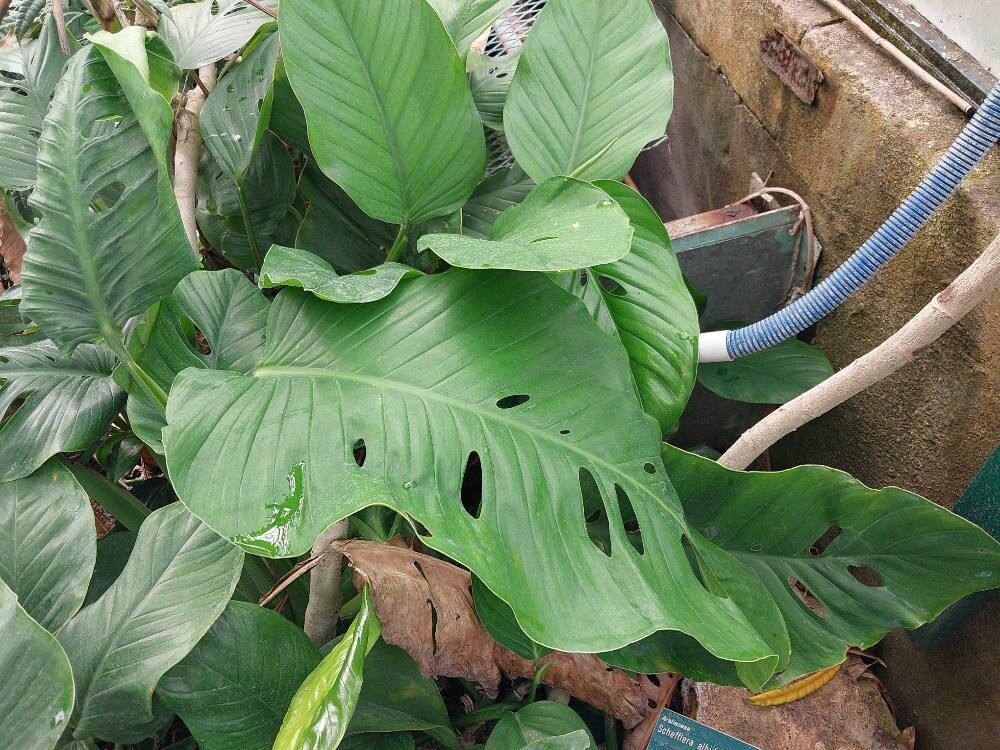
Oh, hello there! Come on in, pull up a chair. It’s so lovely to chat plants with you today. You’re interested in Heptapleurum albidobracteatum, are you? What a fantastic choice! This one, sometimes called the Dwarf Schefflera or Dwarf Umbrella Tree, is such a charmer with its glossy, deep green leaves that just scream tropical oasis. And the little white bracts, though small, add a delicate touch.
There’s something incredibly satisfying about taking a piece of a plant you love and watching it grow into a whole new one. It feels like a little bit of magic, doesn’t it? Now, for the nitty-gritty: is it easy for beginners? I’d say it’s moderately easy. With a little attention to detail, you’ll be enjoying new plants in no time. Don’t be intimidated; we’ll walk through it together.
The Best Time to Start
For the highest success rates, spring and early summer are your best friends. This is when the plant is actively growing, meaning it has plenty of energy to put into developing roots. You’re looking for healthy, semi-hardwood stems – not the brand new, bright green, floppy growth, but also not the old, woody stuff. Think of it like finding a happy medium, a stem that bends a little but doesn’t snap.
Supplies You’ll Need
Ready to gather your tools? It’s a small list, but important:
- Sharp, clean pruning shears or a sharp knife: You need a clean cut to prevent damage and disease.
- A rooting hormone powder or gel: This can significantly speed up root development and improve success rates.
- A well-draining potting mix: I like a blend of equal parts peat moss or coco coir, perlite, and a bit of vermiculite. Or, a good quality seed-starting mix works wonders.
- Small pots or propagation trays: Whatever you have on hand that can hold a cutting and retain some moisture.
- A plastic bag or a clear plastic dome: This creates a mini-greenhouse effect to keep humidity high.
- Water: For damping the soil and for the propagator.
Propagation Methods
Heptapleurum albidobracteatum is quite happy with stem cuttings, which is my preferred method. It’s straightforward and yields great results.
- Take Your Cuttings: Using your clean shears or knife, select a healthy stem. Cut a piece that’s about 4-6 inches long. Make sure to remove any lower leaves that would fall below the soil line. You want a few sets of leaves left at the top for photosynthesis.
- Prepare the Cutting: Gently dip the cut end of the stem into your rooting hormone powder or gel. Tap off any excess.
- Plant the Cutting: Fill your pots or trays with your prepared potting mix. Make a hole in the center with your finger or a pencil. Insert the prepared cutting into the hole, ensuring the rooting hormone stays in contact with the soil. Gently firm the soil around the stem.
- Water Gently: Water the soil thoroughly but gently, making sure not to dislodge the cutting.
- Create Humidity: Cover the pot with a clear plastic bag, securing it with a rubber band, or place a clear plastic dome over your propagation tray. This traps moisture. If the bag touches the leaves, prop it up with a skewer or two.
The “Secret Sauce” (Pro Tips)
Here are a few things I’ve learned over the years that often make a big difference:
- Bottom Heat is Your Friend: If you have a seedling heat mat, placing your pots on it can really encourage root development. It mimics the warmth of spring soil, giving those cuttings an extra boost.
- Don’t Drown it: While humidity is crucial, overwatering is the enemy. The soil should be consistently moist, but never soggy. If you see water pooling, that’s too much.
- Be Patient with Leaves: If you have a large leaf, consider cutting it in half. This reduces water loss through transpiration while still allowing the leaf to photosynthesize enough to support the cutting.
Aftercare & Troubleshooting
Once you see new leaves starting to peek out, or perhaps a gentle tug on the cutting reveals some resistance (a sign of roots!), you’re on your way! Slowly start to acclimatize your new plant to your home’s humidity. Gradually open the plastic bag or remove the dome for longer periods over a week or two. Continue to water when the top inch of soil feels dry.
The most common issue you’ll face is rot, usually from overwatering and poor drainage. If your cutting turns yellow and then brown, or if the stem becomes mushy and black at the soil line, it’s likely succumbed to rot. It’s heartbreaking, but don’t despair. Clean up the area, check your watering habits for the next batch, and try again. Sometimes, a cutting might simply fail to root, and that’s okay too. It happens to the best of us!
A Encouraging Closing
Starting new plants from cuttings is a journey, and like any good garden project, it requires a little patience and a lot of observation. Don’t get discouraged if your first few attempts aren’t perfect. Each cutting you try is a learning experience. Enjoy the process, celebrate the little victories as roots appear, and soon you’ll have a whole collection of your own beloved Heptapleurum! Happy propagating!
Resource: