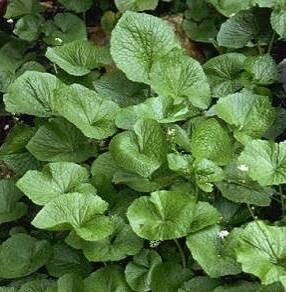
Oh, hello there! I’m so glad you’ve stopped by. Today, we’re diving into the wonderful world of Eutrema japonicum, or as many of us know it, wasabi! If you’re a lover of fresh, spicy flavors, you know how exciting it is to grow your own. But even if you’re not a culinary whiz, wasabi is a truly enchanting plant for the garden. Its lush, heart-shaped leaves are a beautiful shade of green, and it adds a wonderful texture to shady spots.
Now, you might be wondering if propagating wasabi is a task for seasoned pros or if a beginner could manage. Honestly, while it’s not as forgiving as some common houseplants, it’s definitely achievable with a little patience and the right approach. I’ve found that with clear steps, anyone can get their own little wasabi starts going. And the reward? Oh, it’s immense. There’s something incredibly satisfying about nurturing a new plant from a small piece of its parent.
The Best Time to Start
For the highest success rate with Eutrema japonicum, your best bet is to start in the spring as the plant is waking up from its winter dormancy, or in early summer when growth is vigorous. This gives the new cuttings or divisions plenty of time to establish themselves before the heat of summer or the chill of autumn sets in. Look for healthy, actively growing stems or established clumps that are ready to be divided.
Supplies You’ll Need
Here’s what you’ll want to have on hand for your propagation adventure:
- Sharp, clean pruning shears or a sharp knife: Essential for making clean cuts.
- Rooting hormone (optional, but recommended): A little powder or gel can really help those cuttings take off.
- Well-draining potting mix: A good blend of peat moss, perlite, and compost works wonderfully. You want something that holds moisture but doesn’t become waterlogged.
- Small pots or seedling trays: For your new starts.
- Clear plastic bags or a humidity dome: To maintain consistent moisture around your cuttings.
- Watering can with a gentle spray nozzle: To avoid disturbing your delicate cuttings.
- Gloves (optional): If you’re sensitive to sap or just like keeping your hands clean.
Propagation Methods
There are a few ways to go about propagating wasabi, but two methods I’ve found most reliable are stem cuttings and division.
Stem Cuttings
This is a fantastic way to get multiple new plants from a single mother plant.
- Select your stems: Look for healthy, non-flowering stems that are at least 4-6 inches long. You want stems that are somewhat firm but still flexible.
- Make the cut: Using your sharp, clean shears, cut the stem just below a leaf node (the point where a leaf attaches to the stem). This is where roots are most likely to form.
- Prepare the cutting: Gently remove the lower leaves, leaving one or two sets of leaves at the top. If the leaves are very large, you can even cut them in half to reduce water loss.
- Apply rooting hormone (optional): Dip the cut end of the stem into rooting hormone, tapping off any excess.
- Plant your cuttings: Fill your small pots or trays with your well-draining potting mix. Make a small hole with your finger or a pencil and insert the cutting, ensuring the leaf nodes are below the soil surface. Gently firm the soil around the base.
- Provide humidity: Water the soil gently. Then, cover the pots with a clear plastic bag or place them under a humidity dome to create a mini-greenhouse effect. This is crucial!
Division
This method is best done when your wasabi plant is well-established and you’re looking to thin it out or create larger, more robust new plants from the start.
- Gently unpot the plant: Carefully remove the entire Eutrema japonicum plant from its pot. If it’s in the ground, dig around it gently to loosen the root ball.
- Locate natural divisions: Look for where the plant naturally wants to separate. You’ll often see multiple shoots emerging from the same root system.
- Divide the root ball: Using your hands or, if necessary, a sharp knife or spade, carefully separate the clumps. Try to ensure each division has a healthy section of roots and at least a couple of stems.
- Remove excess soil: Gently brush away some of the old soil to examine the roots.
- Pot up your divisions: Pot each division into its own container filled with your well-draining potting mix. Water them in thoroughly.
The “Secret Sauce” (Pro Tips)
Here are a couple of tricks I’ve learned over the years that can really boost your success:
- Bottom heat is your friend: For cuttings, placing your pots on a seedling heat mat can significantly speed up root development. It mimics that lovely, warm soil temperature that plants absolutely adore in spring.
- Don’t let those leaves touch the water: If you’re doing water propagation (which is a bit trickier with wasabi but possible for experienced hands), make sure absolutely no leaves are submerged. Only the stem should be in the water. Leaves in the water will just rot and can take the whole cutting down with them. Aim for the leaf nodes to be just above the waterline.
Aftercare & Troubleshooting
Once your cuttings have developed a good root system (you may see roots peeking out of the drainage holes), it’s time for them to transition.
- Acclimate them slowly: Gradually introduce your new plants to less humid conditions by opening the plastic bag or dome a little more each day over about a week.
- Water consistently: Keep the soil evenly moist but not soggy. Wasabi likes consistent hydration, especially when it’s young and establishing.
- Provide the right environment: Remember that Eutrema japonicum thrives in shade and cool, moist conditions. Protect your new plants from direct sun and extreme heat.
Now, what about when things don’t go as planned? The most common issue you’ll face is rot. If your cutting turns mushy and black, or the stem at the soil line softens and collapses, that’s usually a sign of too much moisture and poor air circulation. Discard affected cuttings immediately to prevent it from spreading. Underwatering can cause wilting and a failure to root, but that’s usually easier to fix by just increasing watering.
A Encouraging Closing
Propagating Eutrema japonicum is a journey, and like any good garden project, it requires a bit of patience. Don’t be discouraged if your first attempt isn’t perfect. Each time you try, you learn something new. Just keep those fingers crossed, choose the right spot for your new plants, and enjoy the process. Soon, you’ll have your very own spicy surprises growing right at home! Happy gardening!
Resource:
https://identify.plantnet.org/k-world-flora/species/Eutrema%20japonicum%20(Miq.)%20Koidz./data