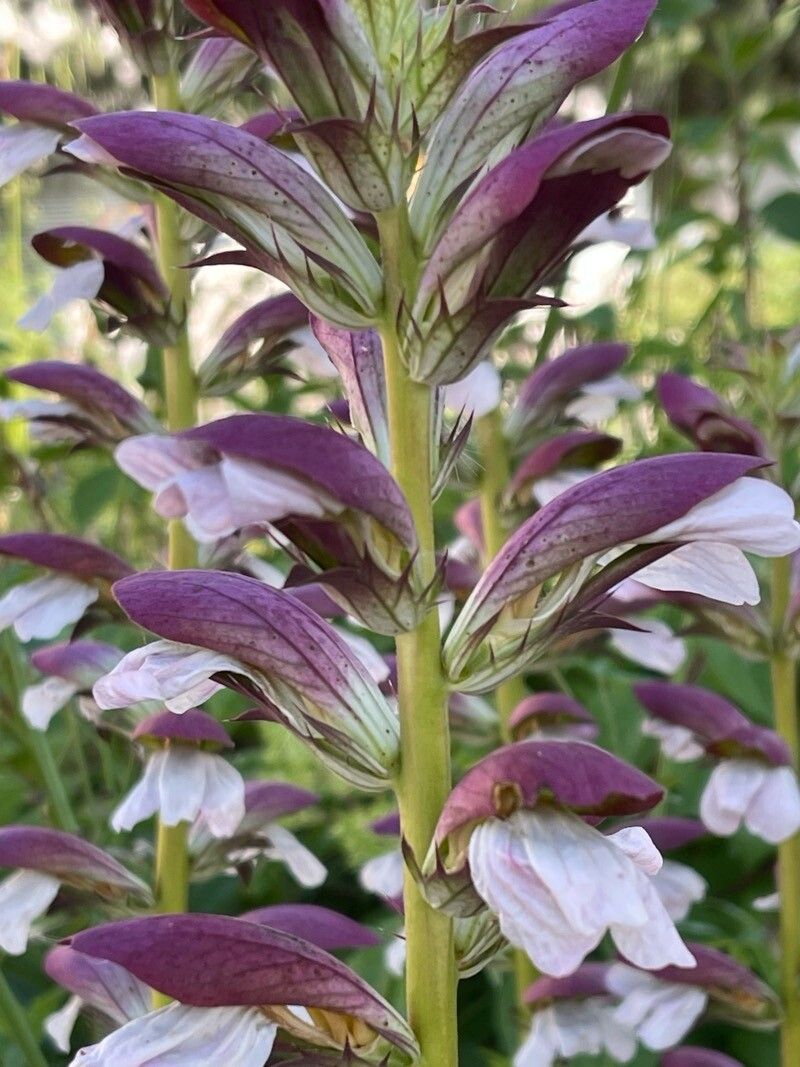
Well hello there, fellow plant lover! It’s so lovely to have you join me for a chat about one of my absolute garden favorites – Acanthus spinosus, commonly known as Bear’s Breeches. These architectural beauties, with their dramatic spiky leaves and elegant flower spikes, are a real statement piece. And the best part? They’re surprisingly easy to get more of! I remember the first time I successfully propagated one; it felt like I’d unlocked a little secret of the garden. It’s incredibly rewarding to watch a tiny cutting transform into a thriving new plant. For those of you just dipping your toes into the world of propagation, Acanthus spinosus is a fantastic place to start. It’s quite forgiving, really.
The Best Time to Start
When it comes to getting the most bang for your buck with Acanthus spinosus, late winter or early spring is your golden window. This is typically the time when the plant is just starting to wake up from its winter slumber, and the energy is building for new growth. You’ll be working with dormant or semi-dormant material, which usually withstands the stress of propagation better. Think of it as getting a head start on the season!
Supplies You’ll Need
Here’s what I always keep on hand when I’m ready to get my hands dirty with Bear’s Breeches:
- Sharp Pruning Shears or a Clean Knife: For making clean cuts. Dull tools can damage the plant and invite disease.
- Rooing Hormone (Optional but Recommended): This isn’t actually magic, but it does give your cuttings a helpful boost in developing roots. I prefer the powder form.
- Well-Draining Potting Mix: A good base is crucial. I like to use a mix of equal parts peat moss or coco coir, perlite, and compost. This ensures good aeration and prevents waterlogging.
- Small Pots or Trays: Clean pots are a must to keep things sterile. About 4-inch pots are usually a good size.
- Labels and a Permanent Marker: You’ll thank yourself later for knowing what you planted where!
- Watering Can with a Fine Rose: Gentle watering is key.
Propagation Methods
There are a couple of ways to go about multiplying your Acanthus spinosus. I find division to be the most foolproof, but stem cuttings can also be quite successful.
Division (My Favorite!)
This is honestly the easiest and most reliable method for Acanthus spinosus.
- Timing is Key: As mentioned, late winter or early spring is ideal, before growth really takes off.
- Gently Excavate: Carefully dig around the base of your mature Acanthus plant. You want to expose the root ball without causing too much damage.
- Identify Divisions: Look for distinct shoots or crowns that are emerging from the main root system. You might see natural breaks where you can separate.
- Make the Cut: Using your sharp pruning shears or knife, carefully cut between the divisions. Make sure each division has at least one healthy root and a growing point (a bud or shoot).
- Replant Immediately: Pot up your divisions into their new homes using your well-draining potting mix. Water them in gently.
- Mulch: A light layer of mulch can help retain moisture and keep the soil temperature consistent.
Stem Cuttings
This method takes a bit more patience, but it’s still very doable.
- Select Your Cuttings: In late spring or early summer, when the plant is actively growing, take cuttings from healthy, non-flowering stems. You want pieces that are about 4-6 inches long.
- Prepare the Cuttings: Using your sharp knife, make a clean cut just below a leaf node (where a leaf attaches to the stem). Remove the lower leaves, leaving just a couple at the top.
- Dip in Rooting Hormone: If you’re using rooting hormone, dip the cut end into the powder, tapping off any excess.
- Plant Them Up: Make a small hole in your potting mix with a pencil or your finger. Insert the cutting, ensuring the leaf nodes are below the soil surface. Gently firm the soil around the stem.
- Water Gently: Water thoroughly but avoid waterlogging.
- Provide Humidity: You can create a mini-greenhouse effect by covering the pots with a clear plastic bag or placing them in a propagator. Make sure the leaves don’t touch the sides of the bag, as this can encourage rot.
The “Secret Sauce” (Pro Tips)
Now, for a couple of things I’ve learned over the years that can really make a difference:
- Think “Airflow is Your Friend”: Whether you’re dividing or taking cuttings, good air circulation around your new plants is vital. This helps prevent fungal diseases. I often use pots with good drainage holes and avoid packing them too tightly.
- Bottom Heat is a Game Changer for Cuttings: If you’re struggling with cuttings to root, try placing your pots on a heated propagator mat. This gentle warmth from below encourages root development without cooking the plant from above. It makes a noticeable difference!
Aftercare & Troubleshooting
Once your Acanthus has settled in, keep the soil consistently moist but not soggy. For divisions, you’ll see new growth emerge within a few weeks. For cuttings, patience is key – it can take several weeks, or even a couple of months, for roots to form. You can gently tug on a cutting; if there’s resistance, it’s likely rooted.
The most common issue you might encounter is rot. This usually happens if the soil is too wet and there’s not enough airflow. If you see your cutting wilting, turning mushy, or developing black spots, it’s usually a sign of rot setting in. Sadly, once rot takes hold, it’s very difficult to save the cutting. Don’t be discouraged if this happens; it’s part of the learning process. Just try again with fresh material and adjust your watering and drainage.
A Encouraging Closing
Propagating Acanthus spinosus is such a rewarding way to fill your garden with these magnificent plants. Don’t be afraid to experiment, and remember that nature isn’t always perfect. Some will succeed, some might not, and that’s all part of the beautiful journey of gardening. Enjoy the process, celebrate your successes, and before you know it, you’ll have Bear’s Breeches spreading their leafy charm throughout your garden. Happy propagating!
Resource:
https://identify.plantnet.org/k-world-flora/species/Acanthus%20spinosus%20L./data