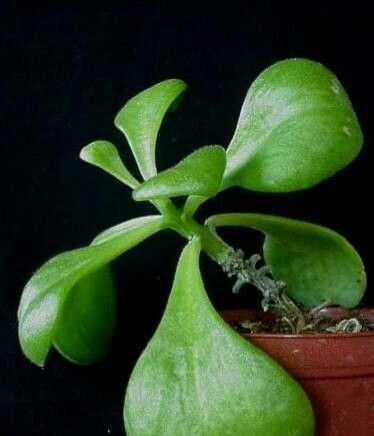
Hello fellow plant lovers! You know, some plants just grab your heart with their quirky charm, and Tylecodon bayeri is definitely one of them. With its fat, succulent leaves that look almost sculpted and its wonderfully architectural form, it’s a stunner in any arid collection. And the best part? Bringing new ones to life from your existing beauties is a truly rewarding journey. Now, I won’t sugarcoat it – Tylecodon bayeri can be a little finicky, so it might be a bit of a challenge for absolute beginners. But with a bit of patience and this guide, I’m confident you’ll do wonderfully.
The Best Time to Start
For Tylecodon bayeri, you’ll want to focus your propagation efforts during its active growing season, which is typically in late winter and early spring. This is when the plant is full of vigor and ready to push out new growth, making it much more likely to root successfully. Avoid attempting propagation during its dormant period in the heat of summer or the chill of winter.
Supplies You’ll Need
Here’s what you should gather before you get started:
- Well-draining potting mix: A succulent or cactus mix is ideal. I like to add a bit of pumice or perlite for extra aeration.
- Sharp, clean pruning shears or a sharp knife: For making clean cuts.
- Rooting hormone (optional but recommended): For an extra boost in rooting success.
- Small pots or propagation trays: With drainage holes, of course!
- A spray bottle: For gentle watering.
- A pebble or small rock: To help keep leaves from touching the soil if using leaf cuttings.
- A bright, indirect light location: The perfect spot for your new babies to get settled.
- Bottom heat (optional): A seedling heat mat can really speed things up.
Propagation Methods
Tylecodon bayeri is primarily propagated through stem cuttings, and it’s a method that yields great results.
Stem Cuttings:
- Take the cutting: In late winter or early spring, select a healthy stem that is at least a few inches long. Using your sharp, clean pruning shears, make a clean cut just above a leaf node.
- Allow to callus: This is a CRITICAL step for succulents like Tylecodon bayeri. Let the cut end dry out and form a callus for a few days, or even a week, in a dry, shaded spot. This prevents rotting when you plant it. You’ll see the cut end turn a bit dry and skin-like.
- Apply rooting hormone (optional): Once callused, dip the cut end lightly into your rooting hormone powder. Tap off any excess.
- Plant the cutting: Fill your small pot with your prepared succulent mix. Make a small hole in the center with your finger or a pencil. Insert the callused end of the cutting into the hole, ensuring it’s firm enough to stand on its own or provide support if needed.
- Water sparingly: DO NOT water thoroughly after planting. You want the soil to be barely moist. I usually give it a very light misting or a tiny trickle of water around the edges of the pot. The goal is to encourage roots to seek moisture, not to provide a swamp.
The “Secret Sauce” (Pro Tips)
Here are a couple of little tricks I swear by for Tylecodon bayeri propagation:
- Less is more with water, especially at the start: It’s tempting to give new cuttings a good drink, but succulents hate sitting in wet soil. I always err on the side of too dry than too wet. You can always water more, but you can’t un-rot a plant.
- Bottom heat is a game-changer: If you have a seedling heat mat, pop your potted cuttings on it. This gentle warmth from below encourages root development without drying out the top of your cuttings too quickly. It can significantly speed up the rooting process.
- Don’t be afraid of slight wilting: Initially, your cuttings might look a little sad or even droop a bit. This is normal as they conserve energy while they focus on root formation. Resist the urge to overwater them back to life.
Aftercare & Troubleshooting
Once you see signs of new growth, like tiny leaves emerging or the stem looking plumper, it’s time to start watering a bit more regularly. Still, allow the soil to dry out completely between waterings. A good test is to stick your finger a couple of inches into the soil; if it feels dry, it’s time for a drink.
The most common pitfall with Tylecodon bayeri propagation is rot. If your cutting looks mushy, turns black at the base, or just seems to disintegrate, it’s likely rot. This is usually due to overwatering or not letting the cutting callus properly. If you spot rot, act quickly. You might be able to cut away the rotted section and let the healthy part callus again, but often it’s a sign the cutting is lost.
Happy Propagating!
Propagating Tylecodon bayeri is certainly a process that requires a bit of patience and keen observation. But seeing those tiny, beautiful leaves unfurl on a brand new plant you grew yourself? It’s an incredible feeling. Don’t get discouraged if your first attempt isn’t perfect. Learn from it, adjust your approach, and keep trying. The joy of creating new life in your garden is truly unmatched. Happy propagating!
Resource:
https://identify.plantnet.org/k-world-flora/species/Tylecodon%20bayeri%20van%20Jaarsv./data