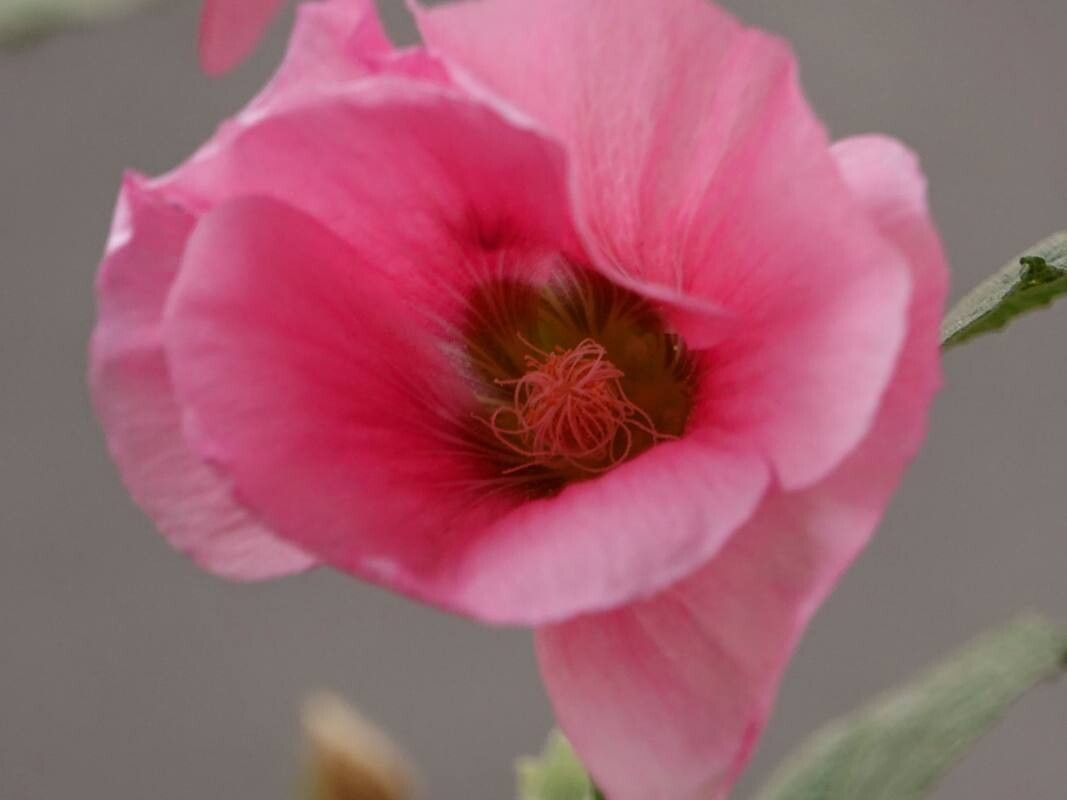
Hello there, fellow plant enthusiasts! If you’ve ever admired the delicate, often whimsical blooms of Malva unguiculata and wished you had more of them gracing your garden, you’re in for a treat. I’m thrilled to share how to multiply this lovely mallow. It’s a process that brings a special kind of joy, watching a tiny piece of a plant grow into something substantial. If you’re new to propagating, I’d say Malva unguiculata is a wonderfully forgiving plant to start with. You’ll likely find success with minimal fuss!
The Best Time to Start
For the highest success rates with Malva unguiculata, aim to propagate in late spring or early summer. This is when the plant is actively growing and has plenty of energy to put into developing new roots. You’re looking for healthy, vigorous new growth – think soft, pliable stems, not woody or old ones.
Supplies You’ll Need
Gathering your supplies before you begin makes the whole process so much smoother. Here’s what I always have on hand:
- Clean, sharp pruning shears or a sharp knife: We want to make clean cuts to minimize damage.
- Potting mix: A well-draining mix is crucial. I often use a blend of peat moss or coco coir, perlite, and a bit of compost. For cuttings, a seed-starting mix or a combination of equal parts perlite and peat moss works beautifully.
- Small pots or trays: Make sure they have drainage holes.
- Rooting hormone (optional but helpful): This can give your cuttings a little boost.
- Watering can or spray bottle: For gently watering your new propagations.
- A plastic bag or cloche: To create a humid environment for cuttings.
- Labels and a marker: Because trust me, you’ll forget what you planted where!
Propagation Methods
Malva unguiculata is quite adaptable, but I find the easiest and most successful method to be stem cuttings.
- Taking the Cuttings: Select a healthy, non-flowering stem. Using your sharp shears, cut a piece about 4-6 inches long. Make the cut just below a leaf node (where the leaf attaches to the stem). Remove the lower leaves, leaving just a few at the top. You can also pinch off any flower buds that are present.
- Rooting Hormone (Optional): If you’re using rooting hormone, dip the cut end of the stem into the powder, tapping off any excess.
- Planting the Cuttings: Fill your small pots with your prepared potting mix. Make a small hole with your finger or a pencil, then insert the cut end of the stem about 1-2 inches deep. Gently firm the soil around it.
- Creating Humidity: Water the soil gently. Then, place the potted cutting inside a clear plastic bag or cover it with a cloche. This traps moisture around the leaves, preventing them from drying out while they try to root. Make sure the leaves aren’t touching the sides of the bag if possible.
- Placement: Position the pots in a bright location, but out of direct, harsh sunlight. A shaded windowsill is often perfect.
The “Secret Sauce” (Pro Tips)
Here are a few things I’ve learned over the years that can really make a difference:
- Don’t let the leaves touch the water! If you’re trying water propagation (which I generally skip for Malva in favor of soil, but if you do, keep those leaves dry!), this is a golden rule. Submerged leaves tend to rot and can take the whole cutting down with them.
- Bottom heat is your friend. If you have a propagation mat, placing your pots on it can significantly speed up rooting. It mimics the warmth of the soil that a parent plant experiences.
- Keep it consistently moist, but not soggy. This is a delicate balance. I like to check my cuttings every couple of days. If the top of the soil feels dry, a gentle watering or a light misting is in order.
Aftercare & Troubleshooting
Once you start to see new growth emerging from your cuttings – tiny leaves or signs of upward movement – it’s a good indication that roots are forming! This usually takes a few weeks.
- Gradually Acclimate: Once roots have developed, you can slowly start to remove the plastic bag or cloche over a week or so. This helps the new plant get used to normal humidity levels.
- Transplanting: When the new plant is strong enough to handle and has a good root system (gently tug on it; if there’s resistance, it’s ready), you can transplant it into a slightly larger pot with your regular potting mix.
- Signs of Trouble: The most common issue you’ll encounter is rot. If your cutting turns mushy, black, or smells foul, it’s likely rotted. This usually points to too much moisture or not enough air circulation. Overwatering is the usual culprit. You might also see wilting if the cutting is drying out too quickly, which means it needs more humidity or less direct sun.
Don’t get discouraged if a few cuttings don’t make it. Gardening, especially propagating, is a journey of learning and experimentation. Be patient with your new Malva unguiculata babies, give them a little TLC, and enjoy the incredibly rewarding process of creating more of these beautiful blooms from just a single stem! Happy propagating!
Resource:
https://identify.plantnet.org/k-world-flora/species/Malva%20unguiculata%20(Desf.)%20Alef./data