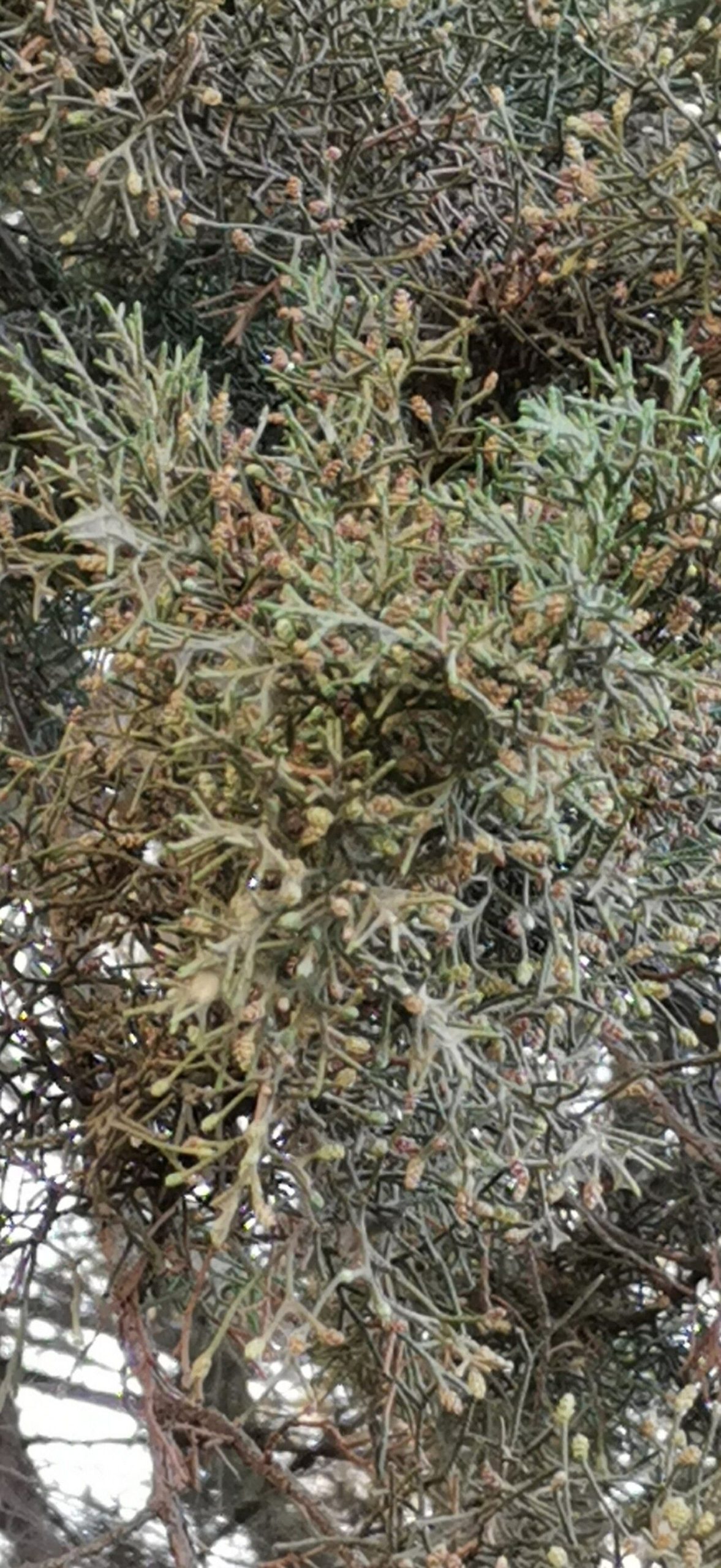
Hello, fellow garden enthusiasts! It’s wonderful to connect with you again. Today, I want to talk about a plant that brings a touch of the Mediterranean right to our gardens: Juniperus canariensis, often called Canary Island Juniper. Its architectural form and beautiful evergreen foliage are a real showstopper. And guess what? Propagating it yourself is incredibly rewarding. While it’s not quite as straightforward as, say, a spider plant, it’s definitely achievable with a little care and patience. I wouldn’t steer you wrong! Don’t be intimidated; we’ll walk through it together.
The Best Time to Start
For Juniperus canariensis, late spring to early summer is your golden window. This is when the plant is actively growing and has plenty of energy to put into developing those crucial roots. You’re looking for new, soft growth, often referred to as “softwood” cuttings. Waiting until the growth has hardened off a bit, but isn’t woody yet, is key. Think of it as a plant that’s hit its stride for the season.
Supplies You’ll Need
Gathering your supplies beforehand makes the whole process so much smoother. Here’s what I recommend:
- Sharp, clean pruning shears or secateurs: For making clean cuts.
- A sharp knife or razor blade: For preparing the cuttings.
- Rooting hormone (powder or gel): Essential for encouraging root development. I like to use a powdered one, but a gel works just as well.
- A well-draining potting mix: A good blend of perlite, coarse sand, and peat moss works wonders. You can also buy specialized cactus and succulent mixes, which are often perfect.
- Small pots or trays: With drainage holes, of course!
- A spray bottle: For misting the cuttings.
- A plastic bag or propagator lid: To create a humid environment.
- Gravel or small stones: For the bottom of propagation trays if you’re using them.
Propagation Methods
We’ll focus on the most reliable method for Juniperus canariensis: stem cuttings.
Stem Cuttings:
- Take Your Cuttings: On a lovely sunny morning (after the dew has dried!), select healthy, upright stems. Using your sharpest shears, take cuttings that are about 4-6 inches long. Make your cut just below a leaf node (where the leaves attach to the stem).
- Prepare the Cuttings: Gently strip off the lower leaves from the bottom 2-3 inches of the stem. This prevents them from rotting in the soil. If the leaves are quite large, you can even cut them in half to reduce water loss.
- Apply Rooting Hormone: Dip the cut end of each stem into your rooting hormone. Make sure it’s coated well, then tap off any excess.
- Planting: Fill your small pots or propagation tray with your well-draining mix. Moisten the soil slightly. Use a pencil or a small stick to create a hole in the soil before inserting the cutting. This avoids rubbing off the rooting hormone. Gently firm the soil around the base of the cutting.
- Create Humidity: Water the soil gently. Then, place your pots inside a plastic bag or cover them with a propagator lid. This creates a mini-greenhouse effect, keeping the humidity high, which is crucial for successful rooting. Make sure the leaves aren’t touching the sides of the bag if possible.
The “Secret Sauce” (Pro Tips)
Here are a few things I’ve learned over the years that can really boost your success:
- Bottom Heat is Your Friend: If you can, place your propagation tray or pots on a heated propagator mat or a warm windowsill. A little bit of gentle warmth from underneath encourages those roots to emerge much faster. Just a touch – you don’t want to cook them!
- Don’t Overwater, But Keep it Moist: It’s a balancing act. You want the soil to be consistently moist, but never soggy. Soggy soil is a fast track to rot, and nobody wants that. Check the moisture level regularly with your finger. Mist the leaves occasionally if they look a bit dry, especially if you’re not using a propagator lid.
- Patience is a Virtue (And a Necessity!): Juniperus canariensis can be a bit of a slow starter when it comes to rooting. Don’t be discouraged if you don’t see new growth or feel any resistance when you gently tug on a cutting for several weeks, or even a couple of months. Resist the temptation to constantly dig them up to check for roots!
Aftercare & Troubleshooting
Once you start to see signs of new growth – tiny leaves appearing or a gentle tug on the cutting reveals resistance – you know roots are forming! At this point, you can gradually acclimatize your new plants to lower humidity. Open the propagator lid or plastic bag for a few hours each day, slowly increasing the duration over a week or two.
The most common issue you might encounter is rot. This is usually due to overwatering or poor drainage. If you see a cutting turning black and mushy, or if it’s completely fallen over, it’s best to discard it and clean your pot to prevent spreading any issues. If a cutting just doesn’t seem to be doing anything after a long while, it’s likely it just didn’t take. It happens to the best of us! Don’t take it personally.
A Little Encouragement
Propagating plants is a journey, not a race. There’s something truly special about nurturing a new life from a tiny cutting. Be patient with your Juniperus canariensis, enjoy the process, and celebrate every little success. Happy gardening, my friends!
Resource: