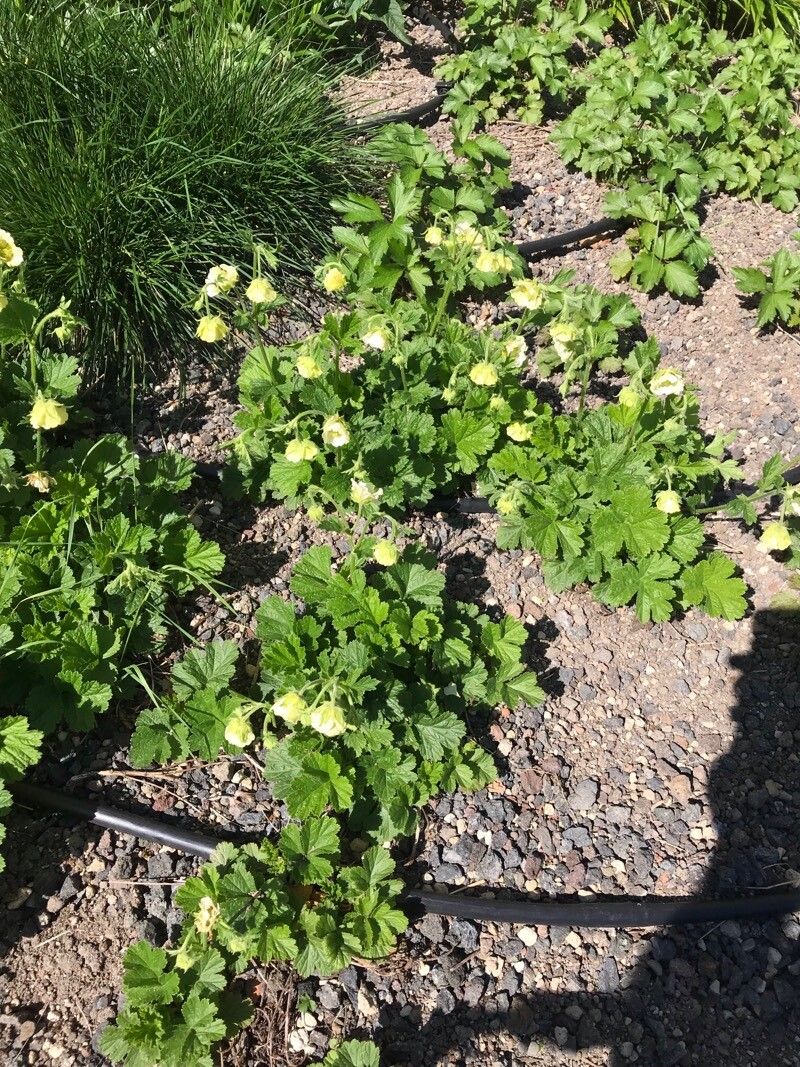
Hey there, fellow garden enthusiasts! It’s wonderful to connect with you today. We’re going to dive into the delightful world of propagating Geum bulgaricum. If you, like me, adore those charming, often feathery blooms that pepper our gardens with such cheerful color, then getting more of them is a natural next step! Geum bulgaricum offers delicate beauty and a lovely, often long-lasting bloom period, making it a real gem. And trust me, successfully coaxing a new plant from an existing one? It’s incredibly satisfying. For beginners, I’d say Geum propagation is quite approachable, especially with a few key tips.
The Best Time to Start
For the highest success rate with Geum bulgaricum, I find that early spring is your golden ticket. This is when the plant is just waking up from its winter slumber and has a surge of energy for new growth. Alternatively, you can also have good luck with late summer, after the main flowering flush has started to wane. You want to catch the plant when it’s robust and has reserves to draw upon.
Supplies You’ll Need
Gathering your supplies beforehand makes the whole process much smoother. Here’s what I usually have on hand:
- Clean, sharp pruning shears or a sharp knife
- A good quality, well-draining potting mix (I often use a blend of peat moss, perlite, and a bit of compost)
- Small pots or a propagation tray with drainage holes
- Rooting hormone (optional, but can give an extra boost)
- A watering can or spray bottle for gentle watering
- A labels and a pen to keep track of what you’re doing!
Propagation Methods
There are a couple of ways we can coax new Geum bulgaricum plants into existence, and division is my go-to.
Division: The Most Reliable Path
This is my favorite method for Geum bulgaricum due to its simplicity and high success rate.
- Prepare Your Plant: In early spring, before new growth really takes off, gently dig up your established Geum bulgaricum plant. You want to be careful not to damage the root ball too much.
- Loosen the Roots: Gently shake off excess soil. You’ll likely see clumps of roots and crown growth.
- Separate the Divisions: Carefully tease apart the root ball with your hands or use a sharp knife to cut through any tough roots. Aim for divisions that have at least 2-3 strong shoots and a good portion of roots attached.
- Pot Them Up: Plant each division directly into their own small pots or into a prepared bed in your garden. Ensure they are planted at the same depth they were previously growing. Then, water them in well.
Stem Cuttings: A Bit More Patience
This method is also effective, though it might take a touch more attention.
- Take Cuttings: In late spring or early summer, when the plant is actively growing, select non-flowering, healthy stems. Using your clean pruning shears, take cuttings about 3-4 inches long. Make the cut just below a leaf node.
- Prepare the Cuttings: Gently remove the lower leaves from the cutting, leaving just a couple at the top. If you’re using rooting hormone, dip the cut end into it now.
- Plant Them: Fill a shallow tray or small pots with your well-draining potting mix. Make small holes with a pencil or your finger and insert the cuttings, ensuring the leaf nodes are buried. Firm the soil gently around the base of each cutting.
- Water and Cover: Water thoroughly but gently. You can create a mini-greenhouse effect by covering the pots or tray with a clear plastic bag or lid. This helps maintain humidity, which is crucial for root development.
The “Secret Sauce” (Pro Tips)
Here are a couple of things I’ve learned over the years that really make a difference:
- When doing stem cuttings, ensure no leaves are touching the soil. If they sit in damp soil, they can rot before they have a chance to root.
- For both division and cuttings, using bottom heat can significantly speed up root formation. A propagation mat placed underneath your pots or trays provides a gentle warmth that encourages roots to emerge.
Aftercare & Troubleshooting
Once your Geum bulgaricum divisions or cuttings have started to show signs of life – new leaf growth is usually the first indicator – it’s time for their continued care.
- Watering: Keep the soil consistently moist but not waterlogged. As roots develop, you can gradually start acclimating your new plants to slightly drier conditions, similar to your established plants.
- Light: Place newly propagated plants in a bright spot that receives indirect sunlight. Direct sun can scorch delicate new growth.
The most common pitfall you might encounter is rot. This is usually a sign of overwatering or poor drainage. If you see a cutting or division turn mushy and black, sadly, it’s likely a lost cause. Don’t be discouraged! Just remove it and check your watering and drainage for the remaining ones.
A Encouraging Closing
So there you have it! Propagating Geum bulgaricum is a rewarding journey. Be patient with your new plants; they’ve got a lot to do to establish themselves. Take joy in the process, celebrate every little green shoot that emerges, and soon you’ll have a whole garden full of these delightful blooms. Happy gardening!
Resource:
https://identify.plantnet.org/k-world-flora/species/Geum%20bulgaricum%20Pančić/data