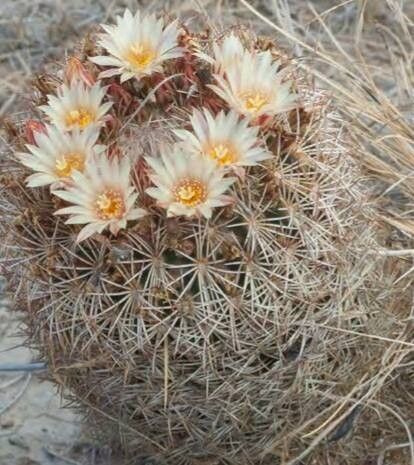
Oh, hello there! So glad you’ve stopped by. Today, we’re going to dive into the wonderful world of Coryphantha potosiana, aren’t we? It’s a cactus that truly has character, with its delightful tufts of wool at the areoles and its often stunning, brightly colored flowers. There’s something so satisfying about coaxing new life from an established plant, and propagating cacti like this one is a fantastic way to fill your home with more of these spiky beauties without breaking the bank. And for those of you just starting out with cacti? While some succulents can be a bit fiddly, I find Coryphantha to be a pretty forgiving friend to propagate.
The Best Time to Start
For Coryphantha potosiana, as with most cacti, spring and early summer are your golden ticket. This is when the plant is actively growing and has the most energy to dedicate to producing roots. You’ll want to pick a time when the plant is plump and healthy, not stressed from drought or extreme heat.
Supplies You’ll Need
Here’s what you’ll want to have on hand:
- Well-draining cactus or succulent soil mix. You can buy this pre-made or mix your own using equal parts potting soil, coarse sand, and perlite or pumice. The key is that it drains fast.
- A clean, sharp knife or pruning shears. Sterilize them with rubbing alcohol before you begin to prevent disease.
- Rooting hormone (optional, but helpful, especially for cuttings).
- A shallow tray or pots for your new propagations. Small terracotta pots are ideal as they breathe well.
- A spray bottle for gentle watering.
- Gloves can be a good idea, but be gentle with these cacti!
Propagation Methods
Let’s get our hands (gently) dirty! The most common and successful method for Coryphantha potosiana is through offsets or pups.
Propagating Offsets (Pups):
- Locate the pups: These are the smaller baby plants that emerge from the base of the mother plant. Gently examine your Coryphantha to find them.
- Carefully remove the offset: This is where your clean knife or shears come in. If the pup is still attached by a narrow stem, you can carefully cut it away. If it’s nestled in close, you might need to gently wiggle it free. Try to get a little bit of root attached if possible, but don’t worry too much if you don’t.
- Let it callous: This is crucial! Place the removed offset in a dry, well-ventilated spot for a few days to a week. You’ll see a sort of dry, scab-like layer form over the cut end. This protects it from rot when you plant it.
- Plant it up: Once calloused, fill a shallow pot with your well-draining soil mix. Make a small indentation in the center and gently place the offset in, pressing the soil lightly around its base. If it’s wobbly, you can use a small rock or two to prop it up.
The “Secret Sauce” (Pro Tips)
Here are a couple of things I’ve learned over the years that really make a difference:
- Don’t rush the callousing. Seriously. I know it’s tempting to get that new plant in soil, but that dry, sealed wound is your best defense against a soggy demise. Give it the time it needs.
- A gentle mist is all they need. When you first plant your offset, resist the urge to soak it. A light misting of water every few days, just enough to slightly moisten the surface of the soil, is usually plenty until you see signs of new growth. Too much water too soon is the fastest way to invite rot.
Aftercare & Troubleshooting
Once your offset is planted, patience is key! Keep it in a bright spot with indirect sunlight. Avoid direct sun at first, as it can stress the new cutting.
After a couple of weeks, you can start watering more regularly, but always allow the soil to dry out completely between waterings. You’ll know your Coryphantha is happy when you see new growth – either a tiny new segment or signs of plumpness and firmness.
The most common sign of failure you’ll see is rot. If your offset starts to turn mushy or black, especially at the base, it’s likely rot. Unfortunately, this is often fatal. It usually means too much moisture and not enough airflow. If you catch it early, you might be able to cut away the affected part and let the healthy portion callous again, but it’s a tough road.
A Encouraging Closing
Propagating Coryphantha potosiana is such a rewarding journey. It’s about connecting with your plants on a deeper level and experiencing the miracle of growth firsthand. Be patient with yourself and the process. Every gardener, no matter their experience, has lost a propagation or two – it’s all part of the learning! Enjoy watching those little pups take root and grow into their own magnificent selves. Happy propagating!
Resource: