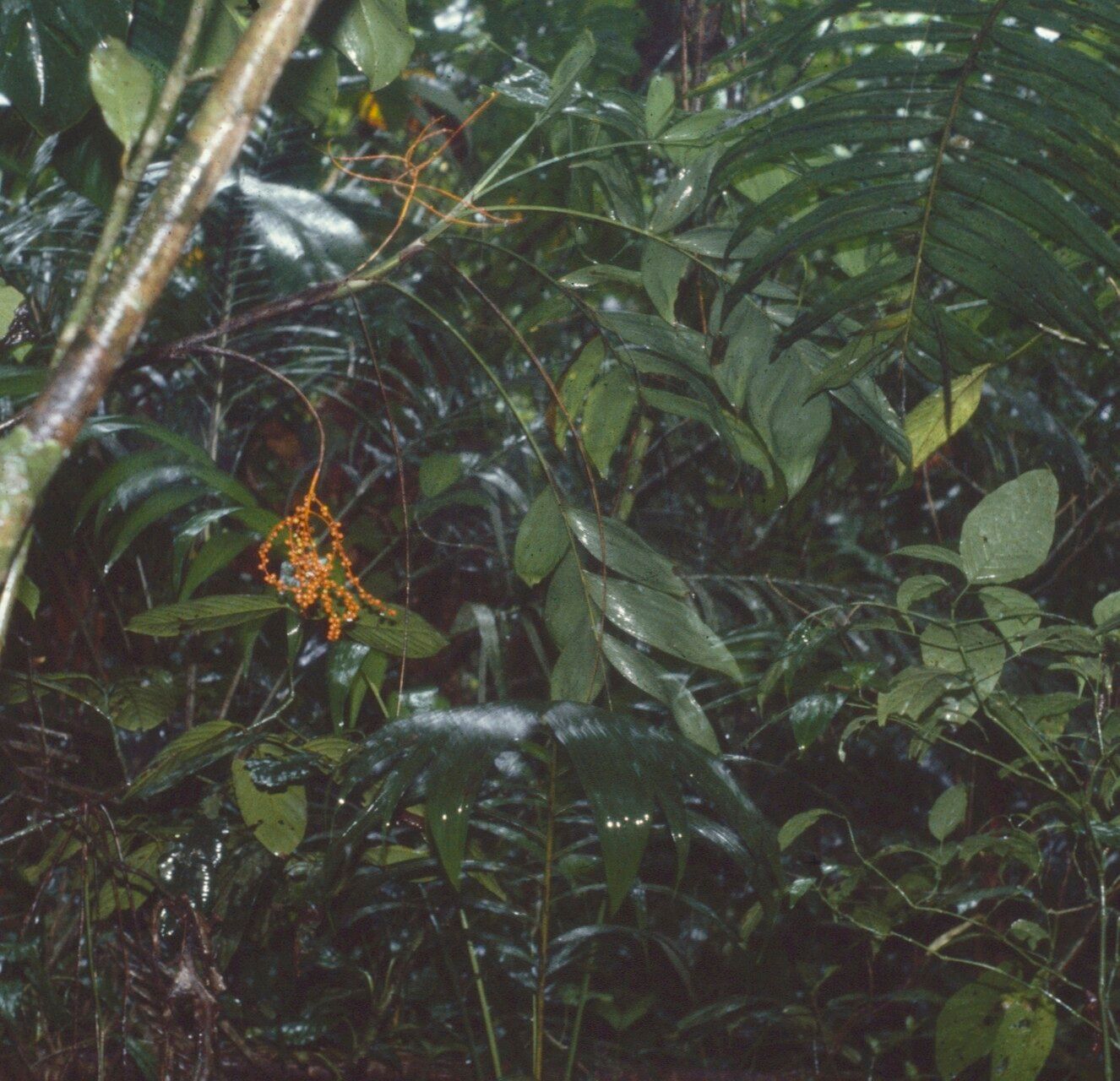
Oh, hello there! Pull up a chair and let’s chat about a truly delightful palm: Chamaedorea pinnatifrons, or as I affectionately call it, the “Elegant Lady Palm” for its graceful, arching fronds. If you’ve ever admired its lush, tropical vibe in a shady corner of your garden or as a striking indoor specimen, you’re not alone. There’s something incredibly satisfying about coaxing new life from an existing plant, and the Elegance Lady Palm is a wonderfully rewarding candidate for propagation. For beginners, I’d say it’s moderately easy – a little patience and attention to detail go a long way!
The Best Time to Start
Honestly, the best time to get your hands dirty with Chamaedorea pinnatifrons is when things are really starting to wake up. Think late spring through early summer. This is when the plant is in its most vigorous growth phase, meaning it has plenty of energy to invest in a new sprout. You’ll see new shoots emerging, and this is your prime window of opportunity.
Supplies You’ll Need
Don’t worry, you won’t need a whole greenhouse full of fancy gadgets. Most of what you’ll need is probably already in your shed or can be easily picked up:
- Sharp pruning shears or a clean knife: For making clean cuts. Dull tools can crush stems.
- Well-draining potting mix: I like a blend of peat moss, perlite, and a bit of compost. A mix formulated for palms or a general houseplant mix with added perlite works well.
- Small pots or propagation trays: Make sure they have drainage holes!
- Rooting hormone (optional but helpful): A powder or gel can encourage faster root development.
- Clear plastic bag or propagation dome: To create a humid environment.
- Watering can with a fine rose: For gentle watering.
- Small labels: To remember what you planted and when!
Propagation Methods
For Chamaedorea pinnatifrons, division is hands-down the most reliable and successful method. These palms often produce offsets, or “pups,” at their base, and that’s where we’ll focus our efforts.
Division: Creating New Plants from Offsets
- Gently unpot your parent plant. You want to do this when the soil is slightly moist, not bone dry or soaking wet. This makes it easier to work with the roots.
- Carefully examine the base of the palm. Look for smaller plantlets emerging from the main root ball. You’re looking for offsets that are at least a few inches tall and have their own set of roots.
- Separate the offsets. This is the most crucial step. Use your sharp pruning shears or knife to make a clean cut, ensuring each offset has a good portion of its own roots attached. Sometimes you can gently pull them apart if the roots aren’t too intertwined. Take your time here; we want to minimize stress on both the parent and the pup.
- Pot up your new pups. Fill your small pots with your well-draining potting mix. Make a hole in the center and place the offset inside, spreading out its roots gently.
- Water thoroughly. Water until you see it drain from the bottom of the pot. This helps settle the soil around the newly planted roots.
- Create a humid environment. Place a clear plastic bag over the pot, securing it loosely with a rubber band, or use a propagation dome. This will trap moisture and help the new plant establish itself. Make sure the leaves have some space and aren’t pressed against the plastic.
The “Secret Sauce” (Pro Tips)
Here are a couple of tricks I’ve learned over the years that can really make a difference:
- Don’t rush the separation. If an offset is very small or has minimal roots, it’s better to leave it attached to the mother plant for a while longer. Let it grow, and give it more time to develop a robust root system. Trying to propagate too soon is a common pitfall.
- Provide a bit of warmth from below. If you have a heat mat designed for seedlings, placing your pots on it can significantly speed up root formation. It mimics the warmth of a tropical soil bed, and your Chamaedorea will absolutely love it. Just ensure the mat isn’t so hot that it dries out the soil too quickly.
Aftercare & Troubleshooting
Once your new pups are potted, keep them in a bright, indirect light location. Avoid direct sunlight, which can scorch their delicate leaves. Water consistently, but don’t let them sit in soggy soil. You want the potting mix to stay evenly moist, not waterlogged.
Signs of Trouble: You might notice some yellowing or wilting. This is usually just transplant shock. If the leaves start to go mushy and dark at the base, that’s a sign of rot, often caused by overwatering or poor drainage. If you see rot, you might need to remove the affected part and let the surrounding soil dry out. With proper care, you should start to see new leaf growth within a few weeks to a couple of months, which is your cue that roots are happily forming!
A Encouraging Closing
Propagating Chamaedorea pinnatifrons is a journey, not a race. Be patient with your new charges. Celebrate the small victories, like seeing a new shoot emerge. And most importantly, enjoy the process of nurturing life. You’ve got this!
Resource: