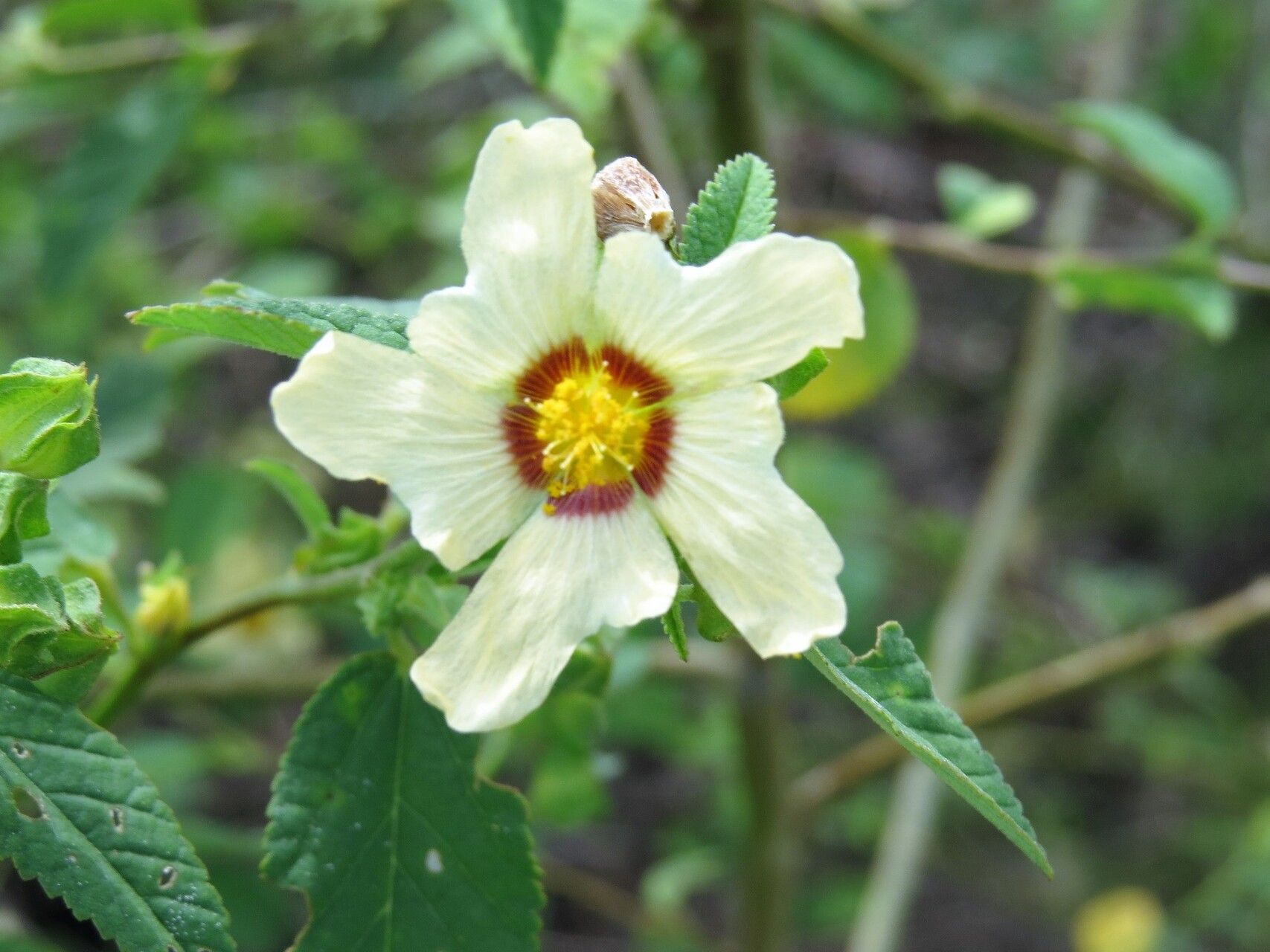
Oh, hello there! Pull up a chair, let’s talk plants. Today, we’re diving into the wonderful world of propagating Sida santaremensis. If you’ve ever admired its delicate, almost whimsical flowers and its lush, tropical vibe, you’re not alone. This little beauty can truly transform a shady corner or add a splash of exotic interest to your collection. And the best part? You can easily multiply its charm and share it with friends (or, let’s be honest, keep them all for yourself!). Propagating Sida santaremensis is a truly rewarding endeavor. For beginners, I’d say it lands somewhere in the “moderately easy” category. A little attention and care, and you’ll be rewarded with new little plants in no time.
The Best Time to Start
Timing is everything in the garden, and propagating Sida santaremensis is no exception. The absolute best time to take cuttings is during its active growing season. For most of us, that means late spring through summer. You want to choose stems that are currently growing, not old, woody ones or brand new, impossibly soft shoots. Look for stems that are firm but still flexible – often referred to as “semi-ripe” cuttings. This is when they have enough energy to root, but aren’t too tough to establish themselves.
Supplies You’ll Need
Before we get our hands dirty, let’s gather our tools. Having everything ready makes the process so much smoother!
- Sharp Pruning Shears or a Clean Knife: For taking clean cuts.
- Small Pots or Seedling Trays: With drainage holes, of course!
- Well-Draining Potting Mix: I like a mix of peat moss, perlite, and a bit of compost. A pre-made succulent or cactus mix also works wonderfully.
- Rooting Hormone (Optional but Recommended): This really gives your cuttings a boost.
- Watering Can with a Fine Rose: For gentle watering.
- Clear Plastic Bag or Propagation Dome: To create a humid environment.
- Labels: To remember what you’ve planted and when!
Propagation Methods: Making More Magic
Sida santaremensis is wonderfully amenable to propagation by stem cuttings. It’s my go-to method for this plant.
- Select Your Cuttings: With your clean shears, take cuttings that are about 4-6 inches long. Make the cut just below a leaf node (where a leaf attaches to the stem). Remove the lower leaves, leaving just a few at the top. This is crucial to prevent leaves from rotting when you’re trying to root them.
- Apply Rooting Hormone (If Using): Dip the cut end of the stem into your rooting hormone powder. Tap off any excess. This really helps jump-start the rooting process!
- Plant Your Cuttings: Fill your small pots with your prepared potting mix. Make a small hole in the center with your finger or a pencil. Gently insert the prepared cutting into the hole, ensuring the leaf nodes buried beneath the soil are covered. Firm the soil around the cutting.
- Water Gently: Water the soil thoroughly but gently. You don’t want to dislodge your precious cuttings.
- Create a Humid Environment: This is key! Cover the pot with a clear plastic bag or place it under a propagation dome. Make sure the leaves aren’t touching the plastic if possible. This traps humidity, which is vital for the cuttings to develop roots before they dry out.
The “Secret Sauce” (Pro Tips)
Now, for a few little tricks I’ve learned over the years that make a big difference.
- Bottom Heat is Your Friend: If you have a heat mat meant for seed starting, placing your pots on it can significantly speed up root development. It mimics the warm soil of summer and gives those roots a warm invitation to grow.
- Don’t Let the Leaves Touch the Water (When Water Propagating): While I primarily use soil cuttings for Sida santaremensis, if you do try it in water (which I find less successful for this particular plant), make absolutely sure none of the leaves are submerged. They will rot very quickly, taking the whole cutting down with them. Only the stem should be in the water.
- Patience with the Parent Plant: When taking cuttings, it’s tempting to strip every available leaf. Resist that urge! Leave some leaves on the mother plant so it can continue to photosynthesize and recover happily.
Aftercare & Troubleshooting
Once your cuttings have hopefully developed some roots – you can gently tug on them to feel for resistance, or look for signs of new leaf growth – it’s time for a little extra attention.
Carefully remove the plastic bag or dome for a few hours each day to allow the plant to acclimatize to drier air. Gradually increase the time it’s exposed until you can remove it entirely. Continue to keep the soil consistently moist but not waterlogged. Soon, you’ll see your new Sida santaremensis thriving!
Common issues can arise, of course. The most frequent culprit is rot. If you notice your cutting turning mushy, black at the base, or falling over, it’s a sign of too much moisture or not enough air circulation. Unfortunately, if rot sets in, it’s often impossible to save the cutting. Learning from it, adjusting your watering or humidity levels, and trying again is part of the gardening journey!
A Word of Encouragement
Propagating plants is a magical process, isn’t it? It’s about taking a piece of something you love and coaxing it to become something new. Be patient with your Sida santaremensis cuttings. Not every single one will make it, and that’s perfectly okay. Enjoy the learning process, celebrate the successes, and don’t be afraid to experiment. Happy propagating!
Resource:
https://identify.plantnet.org/k-world-flora/species/Sida%20santaremensis%20Monteiro/data