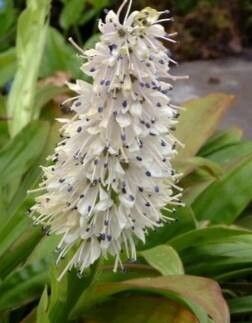
Hello fellow plant lovers! Today, we’re diving into the delightful world of Helonias thibetica, a truly charming plant that brings a touch of woodland magic to any garden. Its elegant, star-shaped flowers in shades of pink and white are a wonderful sight, and the glossy foliage is attractive even when not in bloom. Propagating it yourself is such a rewarding experience – like giving the gift of a new plant to yourself, or to a friend! Now, I’ll be honest, Helonias thibetica can be a little bit fussy, so it’s probably not the very first plant I’d recommend for absolute beginners. But with a bit of gentle guidance and patience, you’ll find it quite manageable and immensely satisfying.
The Best Time to Start
For Helonias thibetica, the absolute sweet spot for propagation is late spring to early summer, just as the plant is finishing up its flowering cycle and entering its active growth phase. This is when the plant has plenty of energy to put into developing new roots and shoots, giving you the best chance of success. Waiting until you see new leaf growth is a good indicator that your plant is ready for a little horticultural intervention.
Supplies You’ll Need
Gathering your tools beforehand makes the whole process so much smoother. Here’s what I find most helpful:
- Sharp, clean pruning shears or a very sharp knife: For making clean cuts.
- Well-draining potting mix: A good blend for this would be roughly 50% peat moss or coco coir and 50% perlite or coarse sand. You want it to hold some moisture but drain freely.
- Small pots or trays: For your new propagations. Terra cotta pots are lovely because they breathe.
- Rooting hormone (optional but helpful): A powder or gel can encourage faster rooting.
- Clear plastic bags or a propagation dome: To maintain humidity.
- Watering can with a fine rose: For gentle watering.
- Labels and a marker: To keep track of your projects!
Propagation Methods
Helonias thibetica is most commonly and successfully propagated through division. This is like giving your plant a happy little haircut and creating more plants from the existing one.
Division:
- Prepare your plant: Gently remove your Helonias thibetica from its pot. If it’s growing in the ground, carefully loosen the soil around the base and lift the entire clump.
- Inspect the root ball: You’re looking for natural divisions. You should be able to see where one plant is emerging from another, often with distinct sets of roots.
- Gently separate: The key here is to be gentle. You can often tease the root balls apart with your fingers. If they are really tightly bound, use your clean pruning shears or knife to carefully cut through the roots and rhizomes. Aim to create divisions that have at least one healthy shoot and a decent root system. It’s better to have a few smaller, healthy divisions than one large, damaged clump.
- Potting up: Plant each division into its own pot filled with your well-draining potting mix. Make sure the crown of the plant (where the leaves emerge from the roots) is at or just slightly above the soil surface. Don’t bury it too deep.
- Water gently: Water the newly potted divisions thoroughly but gently, ensuring the soil is moist but not waterlogged.
- Create humidity: This is crucial! Cover the pots with a clear plastic bag, a propagation dome, or place them in a mini-greenhouse. This will help the plant retain moisture while it adjusts and grows new roots.
The “Secret Sauce” (Pro Tips)
Here are a couple of tricks that have served me well over the years with these beauties:
- Don’t overwater the divisions! This is probably the number one reason divisions fail. Even though they need moisture, their roots are still establishing and are very susceptible to rot. Let the soil dry out slightly between waterings. It’s better to err on the side of slightly dry than too wet while they are getting settled.
- Consider a touch of bottom heat. If you’re propagating indoors, placing your pots on a seedling heat mat (set to a gentle warmth, not hot!) can really encourage root development. It mimics the natural warmth of spring soil and gives your divisions that extra boost.
Aftercare & Troubleshooting
Once your Helonias thibetica divisions start to show signs of new leaf growth – a very encouraging sign! – you can gradually acclimate them to lower humidity. You can start by opening the plastic bag a little each day, or lifting the dome for a few hours. Eventually, you can remove the cover entirely. Keep them in a bright spot, but out of direct, hot sun, and continue to water them as needed, always checking the soil moisture first.
The most common issue you might encounter is rot. If you see leaves turning yellow and mushy at the base, or the soil seems constantly soggy and smells rank, it’s a strong indicator of overwatering and potential rot. If you catch it early enough, you might be able to salvage it by gently removing the affected parts, repotting in fresh, dry soil, and being much more judicious with watering. If the whole division succumbs, don’t be discouraged! Sometimes it just takes a few tries to get it right.
A Little Patience Goes a Long Way
Propagating plants is a journey, and Helonias thibetica is a wonderful one to embark on. Be patient with your new divisions; it can take several weeks or even a couple of months for them to really establish themselves. Enjoy the process, learn from each step, and relish the joy of watching your garden grow, one new plant at a time. Happy gardening!
Resource:
https://identify.plantnet.org/k-world-flora/species/Helonias%20thibetica%20(Franch.)%20N.Tanaka/data