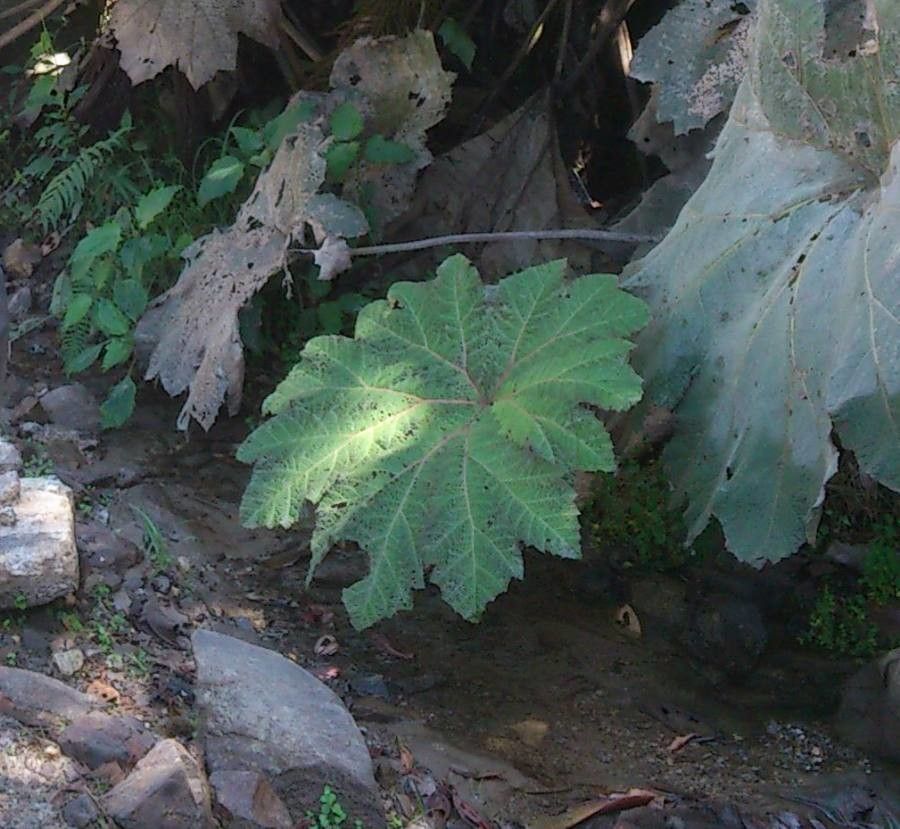
Hello fellow plant lovers! It’s so lovely to have you here. Today, we’re diving into something truly magnificent: Gunnera aequatoriensis. Now, if you’ve ever seen one of these botanical giants, you know exactly why they capture our imaginations. Those enormous, textured leaves are like something from a prehistoric jungle! Growing them from scratch is such a deeply satisfying endeavor, a true testament to nature’s resilience and your own growing skills.
Propagating Gunnera aequatoriensis can feel a bit daunting at first, given its impressive size, but trust me, it’s more accessible than you might think. It’s not quite a beginner’s free-for-all, but with a little patience and the right approach, you’ll be well on your way to a jungle of your own.
The Best Time to Start
For the highest success rate, late spring to early summer is your golden window. This is when the plant is actively growing and has plenty of energy to put into forming new roots. You want to work with healthy, vigorous material, so waiting until after the last frost and the plant has really unfurled its new growth is key.
Supplies You’ll Need
Here’s what you’ll want to have on hand:
- Sharp, clean pruning shears or a sharp knife: For making clean cuts. Sterilize them with rubbing alcohol between cuts, especially if working with multiple plants to prevent disease spread.
- Well-draining potting mix: A good blend for this would be 50% peat moss or coco coir and 50% perlite or coarse sand. This allows for good aeration and prevents waterlogging.
- Rooting hormone (optional but recommended): A powder or gel form can significantly boost root development. Look for one with IBA (indole-3-butyric acid).
- Small pots or trays: For your cuttings to start in.
- Clear plastic bags or a propagator lid: To create a humid environment.
- Watering can with a fine rose: For gentle watering.
- Labels and a marker: To keep track of your efforts!
Propagation Methods
While Gunnera can be grown from seed (though rarely encountered commercially), division is really the most practical and successful method for most home gardeners.
Division: A Giant Step Forward
This is where you’ll be splitting up a mature plant into smaller, manageable divisions, each with its own root system and at least one growth bud.
- Prepare Your Mother Plant: Gently remove the Gunnera from its pot, or if it’s in the ground, dig around it carefully to expose its root ball.
- Locate the Divisions: Look for areas where the rhizome (the thick, creeping stem) has naturally branched or where you can see distinct clumps of new growth emerging from the main structure.
- Make the Cut: Using your sharp, clean pruning shears, carefully cut between the divisions. Aim to ensure each division has a good portion of roots attached and at least one prominent bud or shoot. If you need to separate smaller rhizome pieces, that’s okay, but try to get a bud with them.
- Plant Your Divisions: Pot each division into its own container filled with your well-draining potting mix. Bury the rhizome just enough so the roots are covered and the bud is slightly exposed or just at the soil surface.
- Water Gently: Water thoroughly but gently. You want the soil to be moist, not soggy.
Stem Cuttings (More Advanced)
While division is preferred, you can try stem cuttings, but success can be a bit more hit-or-miss.
- Take Cuttings: In late spring or early summer, select healthy, non-flowering stems that are about 6-8 inches long. Make a clean cut just below a leaf node. Remove the lower leaves, leaving only the top few to reduce moisture loss.
- Apply Rooting Hormone: Dip the cut end into your rooting hormone powder or gel. Tap off any excess.
- Plant Cuttings: Insert the treated end into pots filled with your well-draining potting mix.
- Create Humidity: Water gently and cover the pots with a clear plastic bag or place them in a propagator with a lid. This creates a mini-greenhouse effect, crucial for cuttings.
- Provide Warmth: Place them in a warm spot, ideally with bottom heat (like a heating mat).
The “Secret Sauce” (Pro Tips)
- Rhizome Focus: When dividing, think of the rhizome as the lifeline. Ensure each division has a healthy piece of this woody stem with it, as this is where much of the stored energy resides and where new roots will emerge.
- Don’t Drown Your Dreams: Gunnera rhizomes and roots can be prone to rot if they sit in soggy conditions. Good drainage isn’t just a suggestion; it’s paramount for preventing fungal issues. I always err on the side of slightly too dry rather than too wet, especially in the initial rooting phase.
- The Power of Patience with Humidity: For cuttings, don’t be tempted to lift the plastic cover constantly. Maintain high humidity around those cuttings. It’s what encourages them to sprout those precious roots. If you see condensation on the inside of the bag, that’s good!
Aftercare & Troubleshooting
Once your divisions or cuttings show signs of new growth – like small leaves emerging – you’re well on your way!
- Gradual Acclimatization: For cuttings that have been under cover, slowly begin to acclimate them to drier air. Over a week or so, gradually open the bag or propagator for longer periods.
- Watering: Water when the top inch of soil feels dry. Avoid overhead watering if possible to keep the crown dry and healthy.
- Light: Provide bright, indirect light. Direct sun can scorch young leaves.
- Signs of Trouble: The most common issue you’ll face is rot. If a cutting or division turns mushy, black, or smells foul, it’s likely succumbed to rot. This usually points to overwatering or poor drainage. Unfortunately, there’s often no coming back from this. Another sign of distress is wilting that doesn’t recover after watering, which could indicate root rot or that it’s simply not establishing.
A Warm Encouragement
Growing Gunnera from a division or cutting is a journey, and like all good journeys, it’s about enjoying the process. Don’t be discouraged if your first attempt isn’t perfect. Each plant, and each gardening season, teaches us something new. Be patient, observe your plants, and celebrate those tiny victories, like the first unfurling leaf. Happy propagating!
Resource:
https://identify.plantnet.org/k-world-flora/species/Gunnera%20aequatoriensis%20L.E.Mora/data