Hello there, fellow garden enthusiasts!
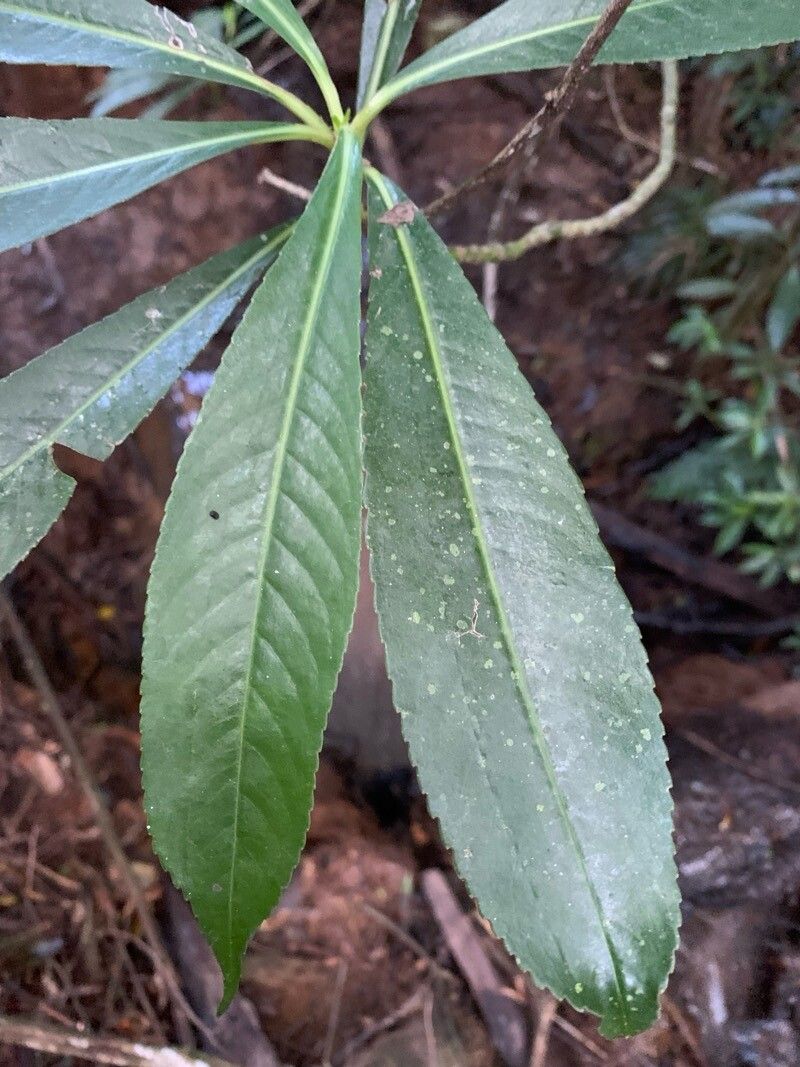
Today, I’m absolutely thrilled to dive into a plant that’s been a quiet star in my own garden – Hedyosmum brasiliense. If you’re looking for a touch of the tropics, something a bit different with its lush, architectural foliage, then this is your plant. It’s like bringing a piece of a rainforest into your home or garden, and the best part? You can easily multiply it!
Now, if you’re a beginner, don’t be intimidated. While Hedyosmum brasiliense might seem exotic, propagating it is surprisingly straightforward. It’s a fantastic plant to start with if you want to build your propagation confidence. The reward of watching a tiny cutting transform into a thriving plant is just… well, it’s pure gardening magic!
The Best Time to Start
My top tip for success? Aim for late spring or early summer. This is when Hedyosmum is actively growing, full of vim and vigor. New growth tips are most likely to root readily during this period. Avoid trying to propagate from dormant material; it just won’t have the energy to get going. Think of it like harvesting berries when they’re ripe – you want your cuttings from a plant that’s at its peak.
Supplies You’ll Need
Gathering your supplies beforehand makes the whole process so much smoother. Here’s what I always have on hand:
- Sharp pruning shears or a clean knife: For making clean cuts.
- Rooting hormone powder or gel: This is a booster, especially for trickier cuttings.
- Small pots or seed trays: Clean ones are a must!
- Well-draining potting mix: I like a blend of peat moss, perlite, and a little coco coir. You want it to hold moisture but not get waterlogged.
- Plastic bags or a clear propagation dome: To create a humid environment.
- Watering can with a fine rose: For gentle watering.
- Labels and a permanent marker: To keep track of what you’ve got!
Propagation Methods: My Go-To Technique
For Hedyosmum brasiliense, stem cuttings are my absolute favorite and most reliable method. It’s direct, it’s efficient, and it yields fantastic results.
- Select your cuttings: Look for healthy, non-flowering shoots that are about 4-6 inches long. These should be semi-hardwood – not too soft and green, but not old and woody either. They should have a bit of flexibility when you gently bend them.
- Make the cut: Using your clean shears or knife, make a clean cut just below a leaf node. This is important because new roots often emerge from these nodes.
- Prepare the cutting: Gently remove the lower leaves, leaving just a couple of leaves at the very top. This prevents them from rotting in the soil and encourages the plant to put its energy into root development. If your top leaves are very large, you can even cut them in half horizontally. This reduces water loss through transpiration.
- Apply rooting hormone: Dip the cut end of the stem into your rooting hormone powder or gel. Tap off any excess.
- Plant your cuttings: Fill your clean pots with your moistened potting mix. Make a small hole with a pencil or your finger, and gently insert the cutting. Firm the soil around the stem.
- Create humidity: Water the soil gently. Then, cover the pot with a plastic bag or a propagation dome. Make sure the leaves aren’t touching the plastic if possible. Pop it in a bright spot, but out of direct sunlight.
The “Secret Sauce” – Insider Tips
Here are a few little tricks I’ve learned over the years that really make a difference:
- Bottom heat is your friend: While not strictly essential, placing your pots on a gentle heat mat can significantly speed up root development. It mimics the warm soil of their natural habitat. Just a touch of warmth beneath the pot can work wonders.
- Don’t overwater, but don’t let it dry out: This is a delicate balance. The soil should feel consistently moist, like a wrung-out sponge, but never soggy. Overwatering is the quickest way to invite rot, so be observant.
- Patience, young grasshopper! Sometimes, new gardeners get discouraged if they don’t see roots immediately. Hedyosmum can be a bit sluggish initially. Give it at least 4-6 weeks before you start gently tugging on your cuttings to check for resistance.
Aftercare & Troubleshooting
Once you see new growth emerging from the top, or feel a good amount of resistance when you gently tug (check this very carefully!), your cuttings have likely rooted!
- Transition gradually: Slowly acclimate your new plants to lower humidity. Start by opening the plastic bag for a few hours each day, then remove it completely over a week.
- Keep them happy: Continue to keep the soil moist but not waterlogged. They’ll appreciate bright, indirect light.
- Signs of trouble: The most common issue is rot. If your cutting turns black and mushy, it’s usually a sign of too much moisture and poor drainage. Sometimes, cuttings just fail to root; it’s a natural part of the process. Don’t be discouraged – just try again! Yellowing leaves on a cutting can sometimes mean it’s too dry, or potentially not enough light.
Keep Growing!
Successfully propagating Hedyosmum brasiliense is such a rewarding experience. It’s a chance to connect with your plants on a deeper level, learn their rhythms, and share the beauty of your garden with others. Be patient, enjoy the process, and celebrate every tiny new leaf. Happy growing, everyone!
Resource:
https://identify.plantnet.org/k-world-flora/species/Hedyosmum%20brasiliense%20Mart./data