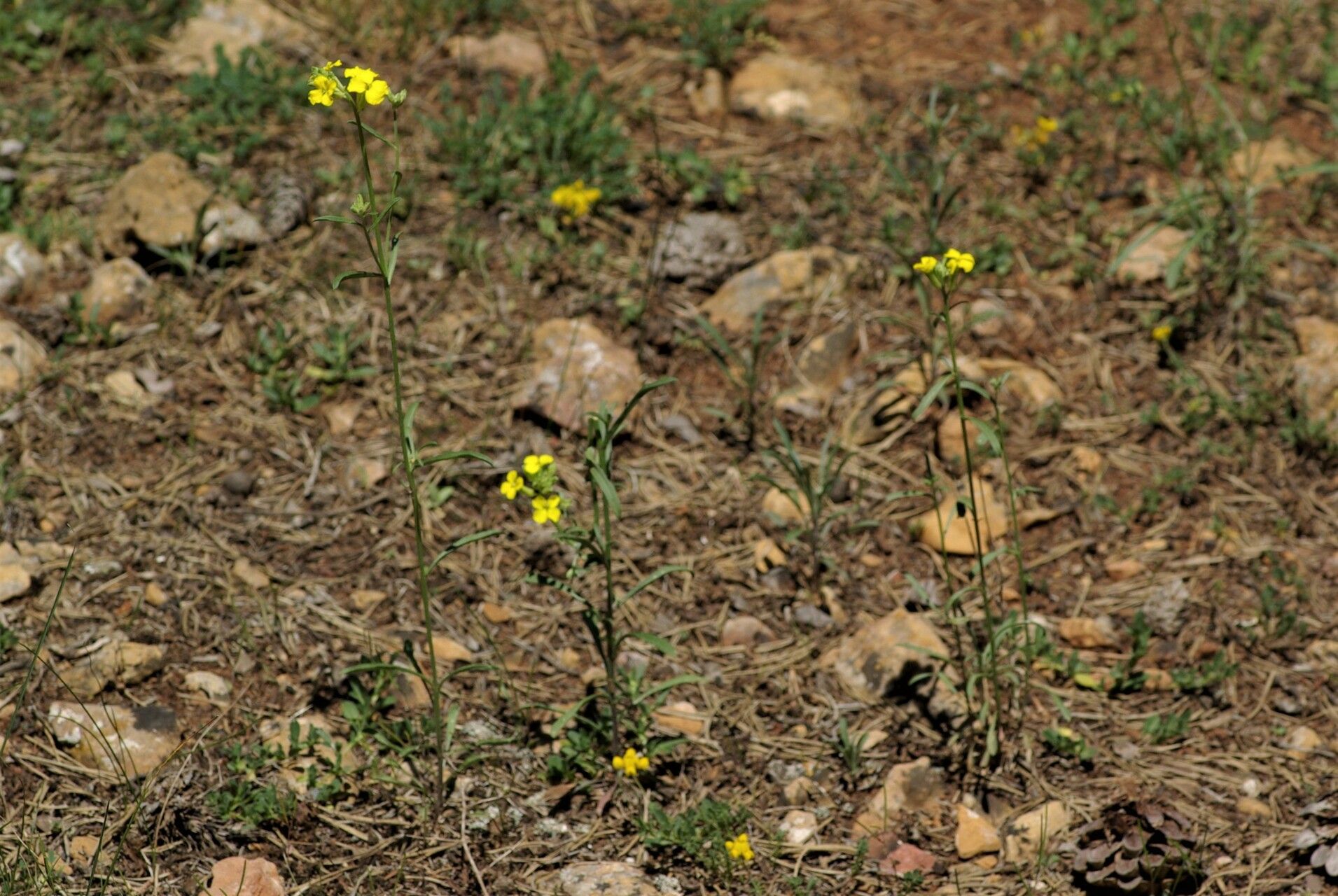
Well hello there, fellow plant enthusiast! I’m so glad you’ve stopped by. Today, we’re diving into the wonderful world of Erysimum sylvestre, commonly known as the Wild Wallflower. Its vibrant, cheerful blooms and delightful scent are such a treat in any garden. And the best part? You can easily fill your borders and containers with these beauties by propagating them yourself! I often get asked if this is a tricky plant to start from scratch, and I’m happy to report that for most gardeners, it’s quite forgiving. There’s a real joy in watching a tiny cutting transform into a thriving plant; it’s a connection to nature that always makes me smile.
The Best Time to Start
For the highest success rate with Erysimum sylvestre, I find late spring or early summer to be your sweet spot. The plant is actively growing at this time, and the young, semi-hardwood stems have just the right amount of flexibility and rigidity to root well. This is when they’re bursting with energy, making them prime candidates for propagation.
Supplies You’ll Need
Gathering your supplies beforehand makes the whole process much smoother. Here’s what I usually have on hand:
- Sharp pruning shears or a clean knife: For taking clean cuttings.
- A good quality potting mix: I like a mix that drains well, perhaps something with perlite or grit added. A good seed starting mix works wonders too.
- Rooting hormone (optional but recommended): This can give your cuttings a little boost. Buy a powder or gel form.
- Small pots or a propagation tray: With drainage holes, of course!
- Plastic bags or a propagation dome: To create a humid environment.
- Watering can or spray bottle: For gentle watering.
Propagation Methods
I’ve had the most success with Erysimum sylvestre using stem cuttings. It’s a straightforward method that yields great results.
Taking Stem Cuttings:
- Select your parent plant: Choose a healthy, vigorous Erysimum sylvestre that’s not producing flowers right at the tip.
- Make your cut: Using your sharp shears or knife, take cuttings that are about 3-4 inches long. Make the cut just below a leaf node (where a leaf grows from the stem). This is where the magic happens for rooting.
- Strip the lower leaves: Carefully remove the leaves from the bottom half of the cutting. You want to expose a clean stem for rooting. Leave just a couple of leaves at the very top to help with photosynthesis.
- Dip in rooting hormone (optional): If you’re using rooting hormone, dip the cut end into the powder or gel. Tap off any excess.
- Plant your cuttings: Fill your small pots or tray with your potting mix. Make a small hole with a pencil or your finger, and insert the cuttings. Gently firm the soil around them.
- Water gently: Water thoroughly but gently after planting. You don’t want to disturb the cuttings.
- Create humidity: Cover the pots with a clear plastic bag, making sure the leaves don’t touch the plastic, or use a propagation dome. This traps moisture and creates a mini-greenhouse. Place them in a bright spot out of direct sunlight.
The “Secret Sauce” (Pro Tips)
Over the years, I’ve learned a few little tricks that can really make a difference:
- Don’t be afraid of a little heat! Erysimum sylvestre cuttings really appreciate a bit of warmth from below. Placing your pots on a heated propagator mat can significantly speed up root development. You’ll see them perk up and start rooting much faster.
- Mist, don’t soak: While humidity is key, overwatering is the enemy. I prefer to mist the cuttings lightly with a spray bottle every day or two, rather than watering from the top, which can dislodge them or encourage rot.
- Watch for the “tug”: Be patient! The best indicator that your cuttings have rooted is when you feel a slight resistance if you gently tug on a stem. This usually takes a few weeks, but it’s worth the wait.
Aftercare & Troubleshooting
Once you see those roots appearing (which usually happens in about 4-6 weeks), it’s time for a bit of a transition.
- Remove the humidity cover: Gradually introduce your new plants to normal air. You can start by removing the plastic bag for a few hours each day.
- Water consistently: Keep the soil consistently moist but not soggy. Allow the top-most layer of soil to dry out slightly between waterings.
- Light is good: Your new Erysimum sylvestre plants will appreciate bright light, but still avoid scorching direct midday sun for the first week or two as they adjust.
- Watch for rot: The most common sign of failure is wilting and mushy stems, which usually points to overwatering and lack of drainage. If you see this, unfortunately, it’s best to discard the affected cutting. Ensure your pots have good drainage and that you’re not keeping the soil perpetually wet.
A Little Patience Goes a Long Way
Propagating plants is such a rewarding process. It’s a chance to learn, to experiment, and to fill your garden with more of what you love. Don’t get discouraged if not every cutting takes. Gardening is about learning, and each attempt teaches you something new. So grab your shears, get your hands in the soil, and enjoy the incredible journey of growing your own Erysimum sylvestre. Happy gardening!
Resource:
https://identify.plantnet.org/k-world-flora/species/Erysimum%20sylvestre%20(Crantz)%20Scop./data