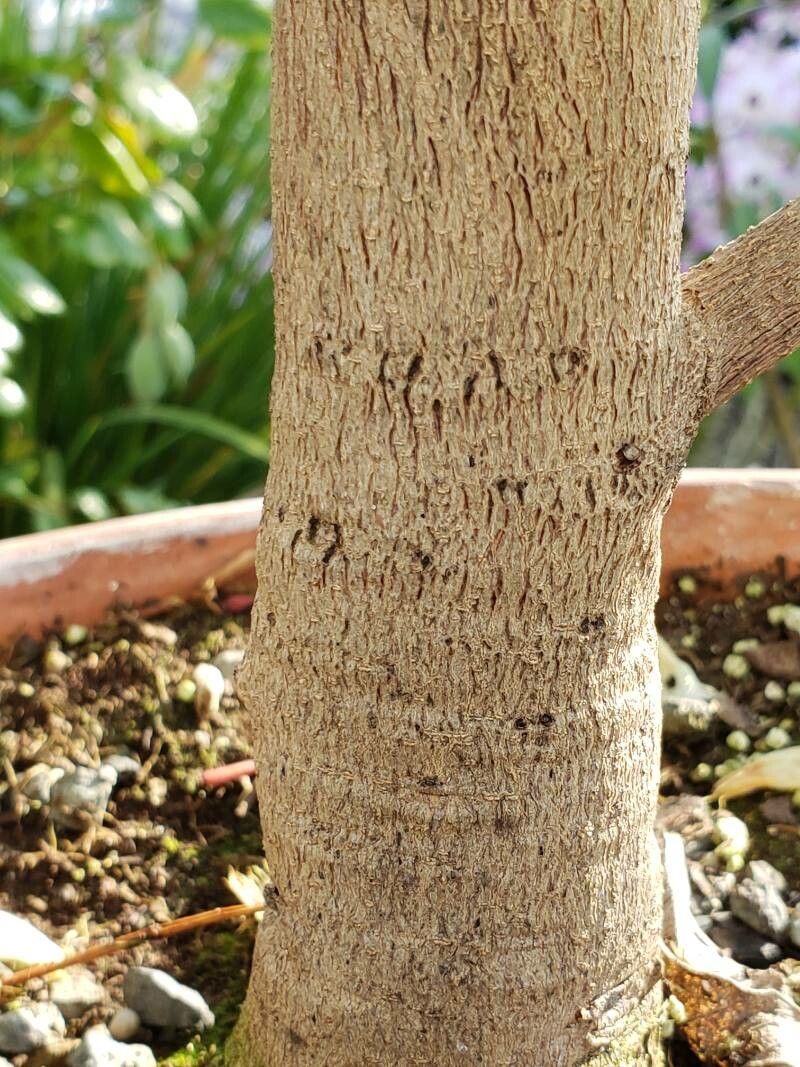
Oh, Elaeocarpus grandiflorus! If you’ve ever seen one of these beauties with its cascades of bell-shaped flowers, you know why it’s a gardener’s dream. Often called the Blue Quandong or the Native Blueberry, its delicate blooms are a real showstopper, and the glossy foliage is lovely year-round. Growing your own from scratch? That’s a gift that keeps on giving – a whole new plant to admire, or to share with a fellow plant lover.
Now, I’ll be honest, Elaeocarpus grandiflorus isn’t the easiest plant to propagate on your first try, especially if you’re brand new to the gardening world. But don’t let that deter you! With a little patience and a few key steps, you can absolutely achieve success. Think of it as a rewarding challenge, and I’ll be here to guide you through it.
The Best Time to Start
For the most success, I always recommend propagating Elaeocarpus grandiflorus from softwood or semi-hardwood cuttings during its active growing season. This usually falls in the late spring through to mid-summer. You’re looking for stems that have grown this year but are starting to firm up a bit – not the brand new, bright green, floppy growth, nor the old, woody stems. A good test is if a stem bends without snapping cleanly; it’s likely in that perfect sweet spot.
Supplies You’ll Need
Gathering your tools beforehand makes the whole process so much smoother. Here’s what I find essential:
- Sharp Pruning Shears or a Craft Knife: A clean cut is vital to prevent disease.
- Rooting Hormone: This is a big help for encouraging root development. Look for one specifically for cuttings. I prefer a powder form, but gels or liquids work too.
- A Well-Draining Potting Mix: A good blend for me is usually 50% peat moss or coco coir and 50% perlite or coarse sand. This ensures good aeration and prevents waterlogging.
- Pots or Seedling Trays: Small pots are perfect, around 4-6 inches deep. Make sure they have drainage holes!
- A Clear Plastic Bag or Propagation Dome: This creates a humid microclimate, which is crucial for cuttings.
- Watering Can with a Fine Rose: For gentle watering.
- Optional: A Heated Propagation Mat: This can really speed things up, especially if your home is on the cooler side.
Propagation Methods
While Elaeocarpus can be grown from seed, stem cuttings are generally the most reliable and quickest way to get a new plant.
Stem Cuttings: My Go-To Method
- Take Your Cuttings: On a healthy, actively growing plant, select a stem that’s about pencil-thick and at least 4-6 inches long. Using your clean shears, make a clean cut just below a leaf node (the point where leaves attach to the stem). This is where the plant has the most potential for rooting.
- Prepare the Cuttings: Gently remove the lower leaves from your cutting. You want to leave about 2-3 leaves at the top. If your remaining leaves are very large, I’d suggest trimming them in half. This reduces water loss through transpiration while still allowing photosynthesis.
- Apply Rooting Hormone: Dip the cut end of the stem into your rooting hormone, ensuring it’s coated well. Tap off any excess.
- Potting Up: Fill your small pots with your prepared, moist potting mix. Make a small hole in the center of each pot with your finger or a pencil.
- Insert the Cuttings: Carefully place a cutting into the hole, pushing it down so the leaf nodes that were at the bottom are buried. Gently firm the soil around the base of the cutting. You can usually fit 2-3 cuttings per small pot, provided they don’t touch each other once planted.
- Create the Humid Environment: Water the soil gently. Then, cover the pot with a clear plastic bag, securing it around the rim with a rubber band or string, or place it under a propagation dome. This traps moisture.
- Find the Right Spot: Place your pots in a bright location that receives indirect sunlight. Avoid direct sun, which can scorch the leaves and overheat the cuttings.
Water Propagation (Less Common for Elaeocarpus, but Possible)
While I usually stick to soil for Elaeocarpus, you can try water propagation. Take a cutting as described above, remove all but the top 2-3 leaves, and place it in a glass jar of water. Ensure no leaves are submerged in the water, as this will cause them to rot. Change the water every few days. Once you see a decent root system developing, you’ll need to carefully transfer it to soil. This method can be a bit trickier for Elaeocarpus as they can be more prone to rot in water.
The “Secret Sauce” (Pro Tips)
Here are a couple of things I’ve learned over the years that really boost my success rate:
- The Importance of Bottom Heat: If you’re serious about propagating and want to speed things up, invest in a heated propagation mat. Placing your pots on this mat provides gentle warmth to the base of the cuttings, mimicking ideal natural conditions and encouraging root formation much faster. It’s a game-changer, especially for plants that can be a bit slow to root.
- Don’t Disturb Too Soon: I know it’s tempting to peek and see if you have roots, but resist the urge to pull on the cutting to check for resistance. Doing this can break delicate new root structures. Wait at least 4-6 weeks, and look for new leaf growth as a sure sign of successful rooting. If your cuttings are still green and looking healthy after that time, they likely have roots.
Aftercare & Troubleshooting
Once you see those first signs of new growth – a tiny new leaf unfurling at the top – that’s fantastic! You’re ready for the next step.
- Acclimatization: If your cuttings are under a plastic bag, gradually introduce them to lower humidity. First, open the bag a little bit each day for a week. Then, remove the bag for a few hours at a time. This prevents shock and helps them adapt to drier air.
- Watering: Keep the soil consistently moist but not soggy. As the roots develop, you can water a little more deeply and less frequently.
- Transplanting: Once the new plant is well-established and has a good root system, you can transplant it into a slightly larger pot with more standard potting soil.
Now, what if things aren’t going as planned? The most common issue you’ll face with Elaeocarpus cuttings is rot. If your cutting turns black and mushy, or the leaves wilt and eventually drop off despite you keeping it moist, it’s likely rotted. This is often due to:
- Overwatering: The soil is staying too wet for too long.
- Poor Drainage: Your potting mix isn’t airy enough, or your pot doesn’t have holes.
- Lack of Airflow: While humidity is good, stagnant air can encourage fungal issues. Make sure your covered cuttings aren’t sitting in stagnant, waterlogged conditions.
Don’t be discouraged if your first few attempts don’t work out. Even seasoned gardeners have losses. It’s all part of the learning process. Just analyze what might have gone wrong and try again!
A Little Patience Goes a Long Way
Propagating Elaeocarpus grandiflorus takes time and a touch of dedication, but seeing a tiny cutting transform into a thriving plant is one of the most satisfying rewards in gardening. So, gather your materials, embrace the process, and remember that each attempt teaches you something new. Happy propagating!
Resource:
https://identify.plantnet.org/k-world-flora/species/Elaeocarpus%20grandiflorus%20Sm./data