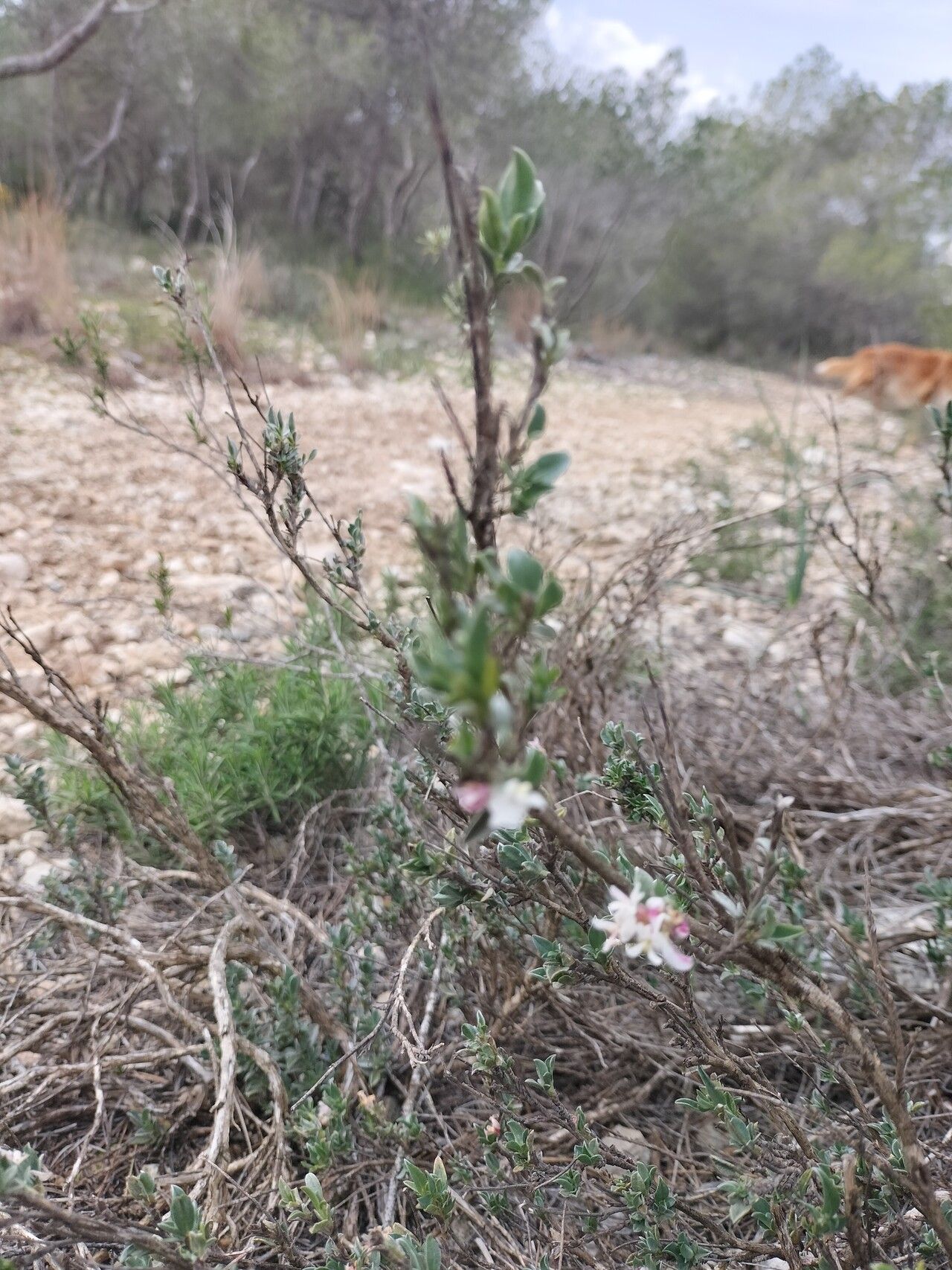
Hello fellow plant lovers! I’m so happy you’re here. Today, we’re diving into the wonderful world of propagating Anthyllis lagascana, or as some of us fondly call it, Spanish Clover. This plant is a gem in the garden. Its delicate, often yellow, pea-like flowers are a delight, and its low-growing habit makes it perfect for rock gardens or spilling over the edges of pots.
But the real joy? Creating more of these beauties yourself! Propagating Anthyllis lagascana is a hugely rewarding experience. It’s not the absolute easiest plant to get started with for a complete beginner, but with a little patience and these tips, you’ll be well on your way. Don’t be discouraged if your first try isn’t perfect; it’s all part of the learning curve, and honestly, that’s where the fun is.
The Best Time to Start
For the highest success rate with Anthyllis lagascana, you want to work with actively growing, but not overly woody, material. This means late spring or early summer is usually your sweet spot. After the plant has finished its initial flush of flowering in spring, it’s often putting out fresh, pliable new growth, which is exactly what we’re looking for. Avoid trying to propagate from old, hardened stems.
Supplies You’ll Need
Gathering your tools beforehand makes the whole process smoother. Here’s what I always have on hand:
- Sharp, clean pruning shears or a sharp knife: For making clean cuts.
- Rooting hormone (optional but recommended): A powder or gel to encourage root development.
- Well-draining potting mix: I love a blend of perlite, peat moss, and a bit of coarse sand. Commercial seed-starting mix works too.
- Small pots or seed trays: Make sure they have drainage holes!
- Plastic bags or a propagation dome: To create a humid environment.
- Watering can with a fine rose: Gentle watering is key.
- Labels and a permanent marker: To keep track of what you’ve planted where and when!
Propagation Methods
Anthyllis lagascana is most reliably propagated from stem cuttings. Division is possible, but cuttings often yield more new plants.
Stem Cuttings:
- Select your cuttings: Look for healthy stems that are about 3-5 inches long and have at least a few sets of leaves. Pinch off the soft, new growth at the tip, leaving the slightly more mature stem below.
- Prepare the cuttings: Carefully remove the lower leaves from the bottom inch or so of the stem. This prevents them from rotting in the soil.
- Apply rooting hormone: Dip the cut end of the stemmed cutting into your rooting hormone, tapping off any excess. This step isn’t strictly necessary, but it can significantly speed up root formation.
- Plant the cuttings: Make a small hole in your prepared potting mix with a pencil or your finger. Insert the cuttings, ensuring the nodes (where the leaves were removed) are buried. Gently firm the soil around them.
- Water gently: Water thoroughly but gently until the soil is evenly moist.
- Create humidity: Cover the pots with a plastic bag or place them inside a propagation dome. This is crucial for keeping the cuttings from drying out before they can form roots. Ensure the leaves do not touch the plastic bag. If they do, you might need to prop it up a bit.
- Location, location, location: Place the pots in a bright spot that receives indirect light. Avoid direct sun, which can scorch the delicate cuttings.
The “Secret Sauce” (Pro Tips)
Over the years, I’ve picked up a few tricks that seem to make a difference.
- Use bottom heat: If you have it, placing your cuttings on a heated propagator mat can really encourage root development. Anthyllis lagascana seems to love a little warmth from below.
- Don’t overwater: This is a common mistake. While cuttings need moisture, they absolutely do not like sitting in soggy soil. Let the top layer of soil dry out slightly between waterings. This will help prevent rot.
- Air circulation is key: Once you see signs of new growth, it’s time to gradually introduce your cuttings to open air. Start by lifting the lid of your dome or opening the plastic bag for a few hours each day. This hardens them off and prevents fungal issues.
Aftercare & Troubleshooting
When you start to see new leaf growth or feel a gentle tug when you lightly pull on a cutting, congratulations! Roots have formed.
Continue to keep the soil moist but not soggy, and gradually increase the amount of time the young plants are exposed to normal room conditions. Once they’re robust enough, you can transplant them into individual pots.
The most common problem you’ll face is rot. If your cuttings turn black and mushy, it’s usually a sign of too much moisture and not enough air circulation. If you see this, try to trim away the affected parts and ensure the soil is draining well, or even repot into fresh, drier mix. Yellowing leaves that aren’t related to rot might mean they’re getting too much direct sun.
A Encouraging Closing
Propagating plants is an exercise in patience and observation. It’s about giving these little bits of life the right conditions and trusting the process. Don’t get discouraged if you have a few casualties along the way – every gardener does! Celebrate the successes, learn from the challenges, and most importantly, enjoy the journey of nurturing new life. Happy propagating!
Resource:
https://identify.plantnet.org/k-world-flora/species/Anthyllis%20lagascana%20Benedí/data