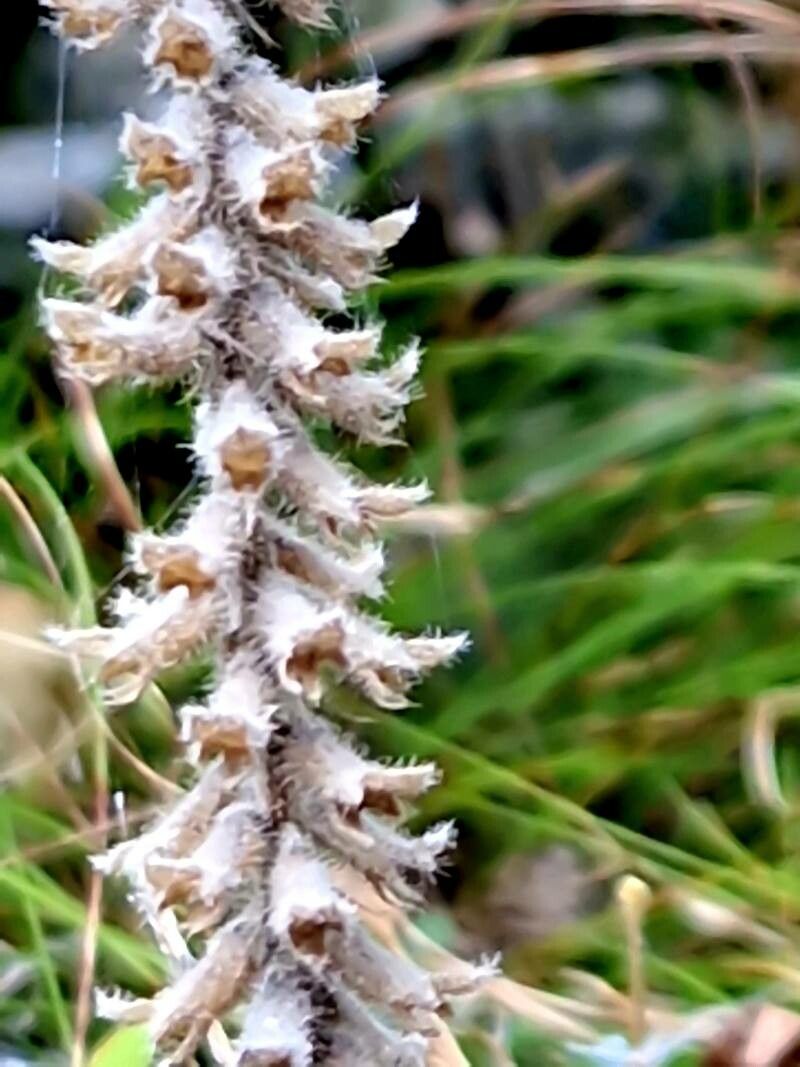
Hello there, fellow garden enthusiasts! Today, we’re going to dive into the wonderful world of propagating Teucrium lamiifolium. If you haven’t met this beauty yet, imagine a shrub that dresses in soft, silvery foliage, often smelling wonderfully aromatic. It’s a real standout in a sunny border, and I’ve always found its subtle charm incredibly rewarding. And the best part? Propagating it is absolutely achievable, even for those of you who are just dipping your toes into the gardening waters. It’s a plant that generally plays nicely with propagation efforts.
The Best Time to Start
For the highest success rate with Teucrium lamiifolium, I always recommend focusing your efforts in late spring to early summer. This is when the plant is actively growing, meaning new, pliable stems are readily available. These younger, semi-hardwood cuttings tend to root more readily than older, woody material. Think of it like this: the plant is full of life force, ready to sprout new beginnings.
Supplies You’ll Need
Gathering your supplies beforehand makes the whole process much smoother. Here’s what I usually have on hand:
- Sharp pruning shears or a clean utility knife: For making clean cuts that heal well.
- Small pots or seedling trays: Clean containers are a must to prevent disease.
- A good quality potting mix: I prefer a well-draining mix. A blend of perlite and peat moss or coco coir works wonders. You can also add some sharp sand for extra drainage.
- Rooting hormone (optional but recommended): A powder or gel can significantly boost your success rate.
- Small plastic bags or a propagator lid: To create a humid environment for your cuttings.
- Watering can with a fine rose attachment: Gentle watering is key.
- Labels and a marker: To keep track of your propagating efforts!
Propagation Methods
While you could try water propagation, stem cuttings are my go-to for Teucrium lamiifolium and generally yield the best results.
Stem Cuttings: My Tried-and-True Method
- Select your parent plant: Choose a healthy, vigorous Teucrium lamiifolium. Look for stems that are firm but still have a bit of flexibility – these are often called “semi-hardwood” cuttings.
- Take your cuttings: Using your clean, sharp pruning shears, cut stems that are about 4-6 inches long. Make the cut just below a leaf node (where a leaf grows from the stem). This is where the magic happens for rooting.
- Prepare the cuttings: Gently remove the lower leaves from your cuttings. You want to leave just a few leaves at the top to help with photosynthesis. If the remaining leaves are very large, you can even cut them in half horizontally to reduce water loss.
- Apply rooting hormone (if using): Dip the cut end of each stem into the rooting hormone powder or gel. Tap off any excess.
- Pot them up: Fill your small pots or trays with your prepared potting mix. Moisten the mix thoroughly before planting.
- Insert the cuttings: Make a small hole in the soil with a pencil or your finger. Gently insert the hormone-dipped end of the cutting into the hole, ensuring a few leaf nodes are buried beneath the surface. Firm the soil gently around the base of the cutting.
- Create humidity: Water gently once more. Then, cover the pots with a clear plastic bag, securing it around the rim with a rubber band, or place them under a propagator lid. This keeps the humidity high, which is crucial for cuttings before they have roots.
- Find a good spot: Place your pots in a bright location but out of direct, scorching sunlight. A windowsill in a bright room is usually perfect.
The “Secret Sauce” (Pro Tips)
Beyond the basics, a few little tricks can make all the difference:
- Bottom Heat is Your Friend: If you have a seedling heat mat, place your pots on it. This gentle warmth encourages root development from below, giving your cuttings a real boost. It’s like giving them a warm hug from the ground up.
- Don’t Let Leaves Touch the Water (in the soil): When you water, make sure the leaves of your cuttings aren’t sitting in standing water in the pot. This can lead to rot. Aim for consistently moist, but not soggy, soil.
- Patience is a Virtue: Some plants root in a few weeks, others take a few months. Teucrium lamiifolium can be a bit of a patient grower. Resist the urge to pull them out to check for roots too early!
Aftercare & Troubleshooting
Once you start to see new growth emerging from your cuttings – a tiny leaf unfurling, perhaps – that’s a great sign! It usually means roots are forming.
- Acclimatize them: Gradually remove the plastic bag or lid over a few days to help your new plants adjust to normal humidity levels.
- Watering is key: Continue to water them carefully, allowing the surface of the soil to dry slightly between waterings.
- Transplant when ready: Once your new Teucrium lamiifolium plants have a decent root system and have grown a bit (you might see roots emerging from the drainage holes), you can pot them up into larger individual pots with good potting soil.
Now, a word on what might go wrong. The most common issue is rot. This usually happens if the cuttings are kept too wet or lack sufficient air circulation. You might see the stem turn black and mushy at the soil line. If this happens, unfortunately, that cutting is probably lost. The best prevention is good drainage and that humidity dome we talked about. If your cuttings just seem to languish and show no signs of life after a few months, it’s possible they just didn’t take. Don’t despair – the gardening world is full of opportunities to try again!
So there you have it! Propagating Teucrium lamiifolium is a journey worth taking. It’s a fantastic way to multiply your garden beauty and share with friends. Be patient with the process, observe your little plants, and enjoy the satisfaction of nurturing something new from a simple stem. Happy propagating!
Resource:
https://identify.plantnet.org/k-world-flora/species/Teucrium%20lamiifolium%20d’Urv./data