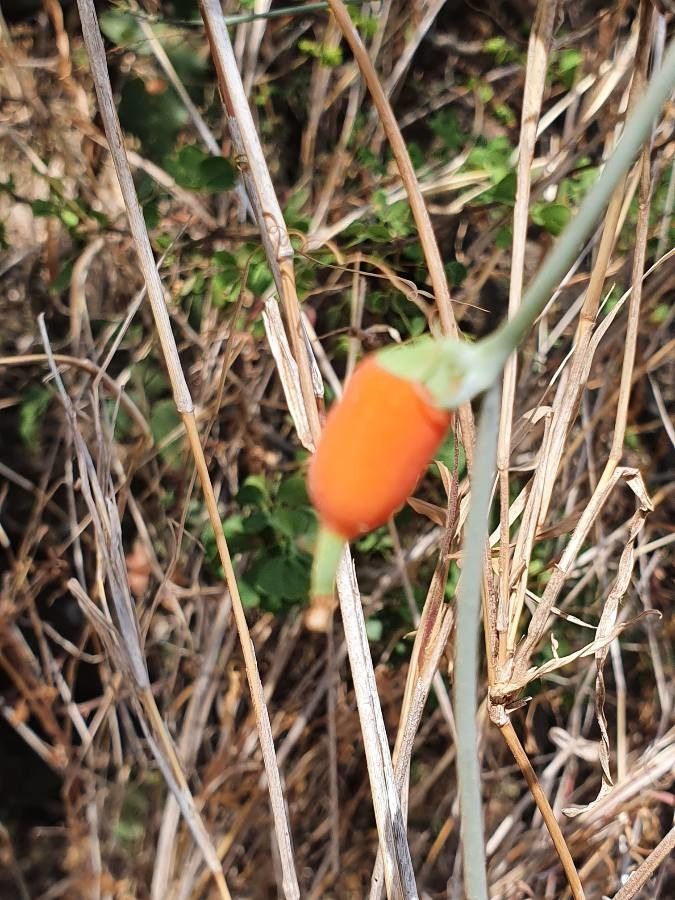
Hello fellow garden lovers! I’m so excited to chat with you today about a plant that has truly captured my heart: Corallocarpus epigaeus. If you’re looking for a unique addition to your indoor jungle or a fascinating specimen for your greenhouse, this is it. Its quirky, often bulbous stems and delicate little flowers are a constant source of delight, and the satisfaction of watching a tiny cutting transform into a thriving plant is simply unmatched. Now, let’s talk about propagation. Is Corallocarpus epigaeus a beginner-friendly plant to propagate? I’d say it’s moderately easy. With a little patience and a few key techniques, you’ll be well on your way.
The Best Time to Start
For the highest success rate, spring is your golden ticket. This is when the plant is actively growing after its winter rest. You’ll find it’s more vigorous and has more energy to put into establishing new roots. Look for healthy, turgid stems that are firm to the touch, not limp or woody.
Supplies You’ll Need
Gathering your supplies before you begin will make the whole process much smoother. Here’s what I always have on hand:
- Sharp, clean pruning shears or a knife: A clean cut is crucial to prevent disease.
- Potting mix: A well-draining succulent or cactus mix is ideal. You can also make your own by combining potting soil with perlite or pumice.
- Small pots or propagation trays: Terracotta pots are great because they breathe well.
- Rooting hormone (optional but recommended): This can give your cuttings a significant boost.
- Watering can or spray bottle: For gentle watering.
- Plastic bag or propagation dome: To create a humid environment.
- Labels and a marker: To keep track of your cuttings!
Propagation Methods
Corallocarpus epigaeus is most commonly and successfully propagated from stem cuttings. It’s straightforward, and I’ve had really good luck with it.
Stem Cuttings:
- Take your cutting: Select a healthy stem that is at least 4-6 inches long. Using your sharp shears or knife, make a clean cut just below a leaf node. A leaf node is where a leaf or aerial root attaches to the stem.
- Remove lower leaves: Gently strip off the leaves from the bottom half of your cutting. This prevents them from rotting when placed in the soil.
- Let it callus: This is an important step! Allow the cut end of the stem to dry and form a callus for 24-48 hours. You can place it on a paper towel in a dry, well-lit spot. This scab-like formation helps prevent rot when planted.
- Dip in rooting hormone (optional): If you’re using rooting hormone, dip the callused end into the powder or gel. Tap off any excess.
- Plant your cutting: Fill your small pot or propagation tray with your well-draining mix. Make a small hole in the center with your finger or a pencil. Insert the callused end of your cutting into the hole, ensuring at least one leaf node is buried beneath the soil surface. Firm the soil gently around the base of the cutting.
- Water gently: Water the soil lightly, just enough to moisten it. Avoid waterlogging.
- Create humidity: Cover the pot with a plastic bag (secured with a rubber band) or place it under a propagation dome. This helps maintain high humidity, which is crucial for rooting.
- Provide warmth and light: Place the pot in a warm spot with bright, indirect light. Avoid direct sunlight, which can scorch the delicate cuttings.
The “Secret Sauce” (Pro Tips)
Here are a few tricks up my sleeve that often make all the difference:
- Bottom heat is your friend: If you can, place your pots on a seedling heat mat. This slightly warmer soil temperature encourages root development much faster and more reliably. You’ll often see roots forming noticeably quicker.
- Don’t overwater, but don’t let it dry out completely: This is a fine balance. The soil should remain consistently lightly moist, like a wrung-out sponge. I check mine every few days and mist or water very lightly if the top inch feels dry.
- Observe your cuttings closely: I’ve learned to notice subtle changes. If the leaves start to look plump and the stem feels firm where it emerges from the soil, that’s a good sign roots are developing. Sometimes, you might even see tiny white root tips peeking out the drainage holes.
Aftercare & Troubleshooting
Once you see signs of new growth (tiny leaves unfurling or the stem looking very turgid), it’s a good indication that roots have formed. You can gently tug on the cutting; if there’s resistance, roots are likely present.
- Acclimate to lower humidity: Once roots are established, gradually remove the plastic bag or dome over a week or two to allow the new plant to adjust to normal room humidity.
- Potting up: When the new plant is robust enough, you can transplant it into its own small pot with fresh, well-draining soil. Continue to water sparingly.
The most common sign of failure is rot. If your cutting turns black and mushy, it’s likely due to too much moisture and lack of aeration. This is why the callusing step and well-draining soil are so vital. You might also see it shrivel if it’s too dry or in too much direct sun. Don’t be discouraged if you lose a cutting or two; it’s all part of the learning process!
A Gentle Encouragement
Propagating plants is about patience, observation, and a little bit of faith. Watching a simple stem cutting transform into a healthy, growing plant is one of the most rewarding experiences in gardening. So, take a deep breath, gather your supplies, and give it a go. Enjoy the journey, and happy propagating!
Resource: