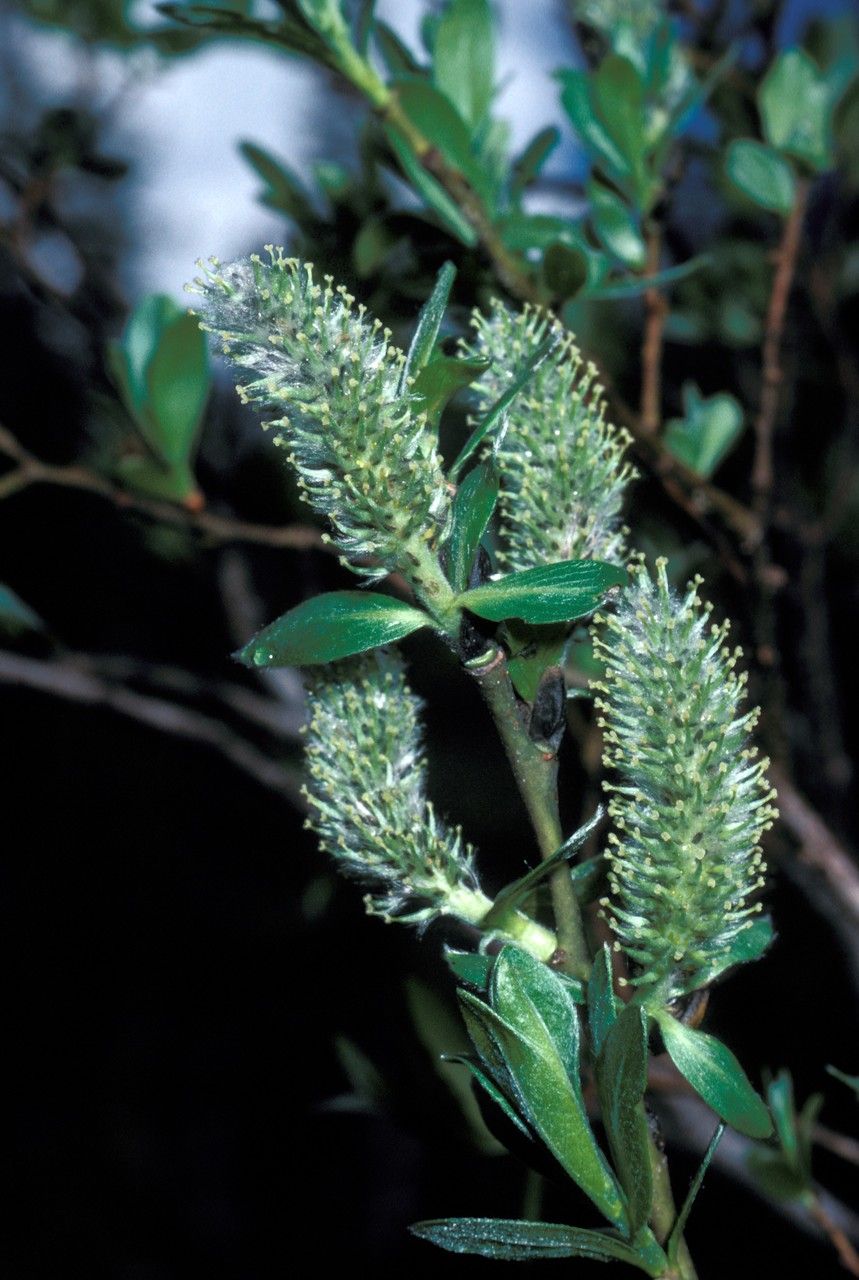
Hello fellow plant lovers! Today, we’re diving into the wonderful world of Salix eastwoodiae, also known as the Eastwood’s Willow. If you’re a fan of its delicate, grey-green foliage and its charming, shrubby habit, you’re in for a treat. I find propagating this beauty incredibly satisfying, and I think you will too. Don’t let the scientific name intimidate you; Salix eastwoodiae is quite forgiving, making it a lovely project for those just starting their propagation journey.
The Best Time to Start
For the absolute highest success rate with Salix eastwoodiae, I always recommend starting in late spring or early summer. When the plant is actively growing, its stems have plenty of youthful energy, which translates to quicker root development. You’re looking for stems that are semi-hardwood – they’re starting to firm up but still have a bit of flexibility. Avoid very new, soft growth or wood that’s gone completely hard.
Supplies You’ll Need
Gathering your tools before you begin makes the whole process smoother. Here’s what I reach for:
- Sharp pruning shears or a clean knife: Essential for making clean cuts.
- Rooting hormone (optional but helpful): A powder or gel can give cuttings an extra boost.
- Potting mix: A well-draining mix is key. I often use a blend of equal parts peat moss or coco coir, perlite, and coarse sand.
- Small pots or propagation trays: Clean, with drainage holes, of course!
- Water: For moistening the soil and misting.
- Plastic bags or a propagator: To maintain humidity.
- Labels: Trust me, you’ll thank yourself later for labeling your cuttings!
Propagation Methods
Stem cuttings are my go-to for Salix eastwoodiae. It’s straightforward and yields great results.
Stem Cuttings:
- Take your cuttings: Select healthy, vigorous shoots from your established plant. Using your sharp pruners, take cuttings that are about 4-6 inches long. Make your cut just below a leaf node (where a leaf attaches to the stem).
- Prepare the cuttings: Gently remove the leaves from the lower half of each cutting. You can leave 2-3 leaves at the top to help with photosynthesis. If the top leaves are very large, I sometimes snip them in half to reduce water loss.
- Apply rooting hormone (if using): Dip the cut end of each stem into the rooting hormone, tapping off any excess.
- Plant the cuttings: Fill your pots with the prepared potting mix and moisten it thoroughly. Make a small hole in the center of the mix with a pencil or your finger. Insert the cutting into the hole, ensuring the leaf nodes are below the soil surface. Gently firm the soil around the base of the cutting.
- Create a humid environment: Water your cuttings lightly and then cover the pots with a clear plastic bag or place them in a propagator. This traps moisture, which is crucial for root formation. Make sure the leaves don’t touch the sides of the bag if possible.
The “Secret Sauce” (Pro Tips)
Here are a couple of things I’ve learned over the years that make a real difference:
- “Bottom Heat” is Your Friend: If you have the means, placing your pots on a heated propagation mat can significantly speed up rooting. Willows, like many plants, love a little warmth at their base.
- Don’t Drown Them: While humidity is vital, overwatering the soil can be detrimental, leading to rot. The mix should be consistently moist, not soggy. Feel the weight of the pot – it should feel heavy when watered and lighter as it dries slightly.
- Patience with Leaves: When water propagating (though less common for this willow, some try it), absolutely ensure no leaves are submerged in the water. Even a tiny leaf touching the water can encourage rot and prevent root development.
Aftercare & Troubleshooting
Once your cuttings have successfully rooted – you’ll usually see new leaf growth within a few weeks to a couple of months – it’s time for a little more attention.
- Gradual Acclimation: Slowly remove the plastic bag or propagator over a week or two. Start by lifting the bag for a few hours each day, gradually increasing the time until the cuttings are accustomed to the ambient humidity.
- Watering: Continue to water them consistently, allowing the top inch of soil to dry out between waterings.
- Move to Larger Pots: When the root system is well-established and you see good top growth, you can transplant them into slightly larger individual pots.
- Signs of Trouble: The most common problem you’ll encounter is rot. If your cuttings turn brown and mushy at the base, or if leaves suddenly wilt and yellow without drying out, it’s likely due to too much moisture. Unfortunately, once rot sets in, it’s hard to save them. Prevention is key here! If you see a cutting just shriveling up and turning dry without any visible rot, it might simply not have rooted. That’s part of the process, and you can try again!
A Little Encouragement
Growing new plants from cuttings is such a rewarding experience. It’s a tangible connection to the cycle of life in your garden. Don’t get discouraged if your first batch isn’t perfect. Every gardener has their share of “failed” attempts – I certainly do! Just keep practicing, observe your plants closely, and enjoy the journey. Happy propagating!
Resource: