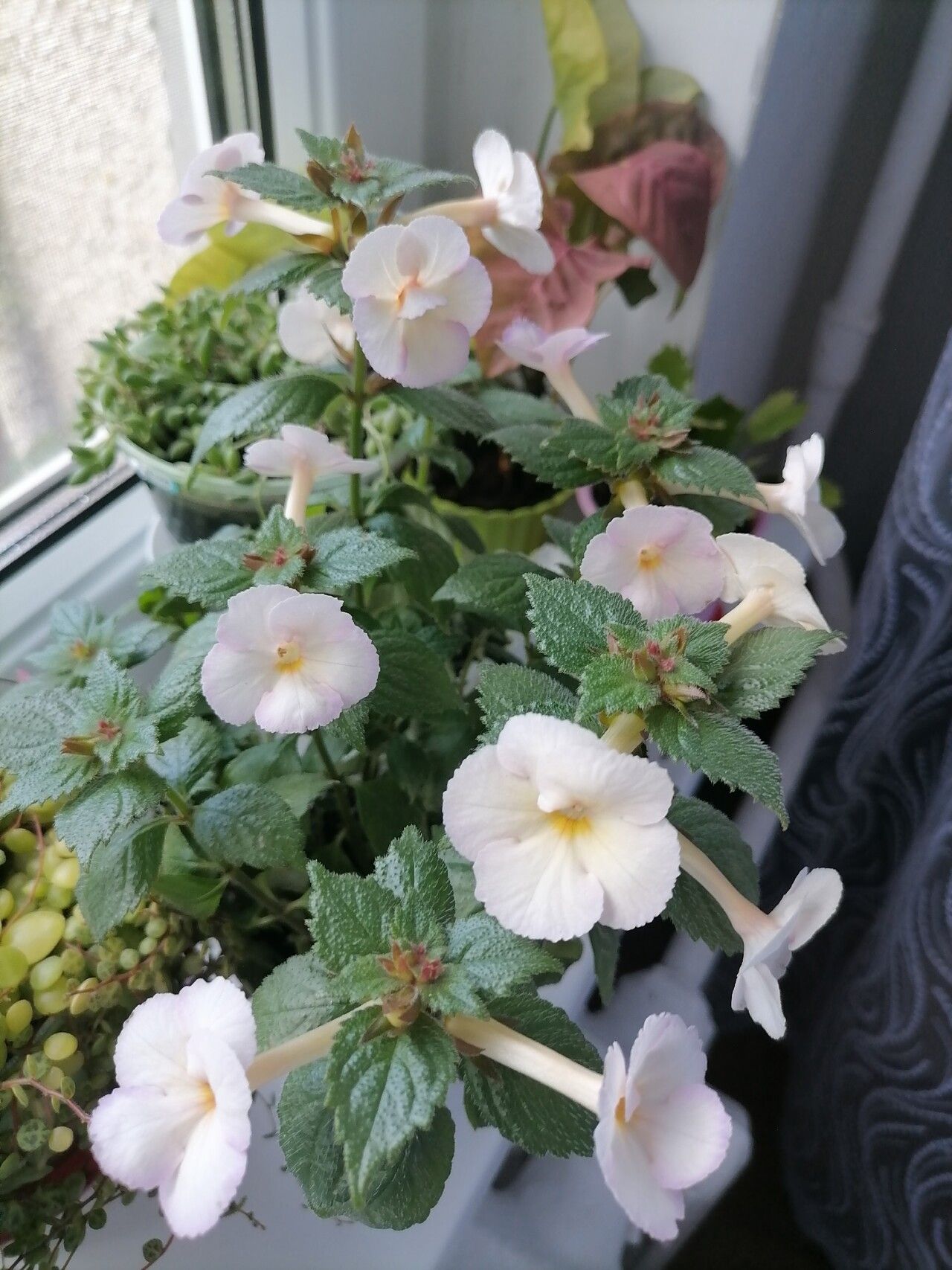
Oh, hello there! Come on in, let’s chat about these absolutely gorgeous Achimenes. I’ve been growing them for years, and frankly, they’re one of my very favorite houseplants. They have this wonderful cascading habit, with these stunning, often brightly colored trumpet-shaped flowers that just make me happy.
The best part? You can easily make more of them! Propagation is incredibly rewarding, and honestly, Achimenes are quite forgiving. I’d say they’re a fantastic plant for beginners looking to dip their toes into propagating. You’ll get a real kick out of watching tiny new life emerge from what you started.
The Best Time to Start
For Achimenes, the ideal time to propagate is in the spring, just as they’re waking up from their winter dormancy. You’ll see new growth starting to emerge from the rhizomes, and that’s your signal. Trying to take cuttings before they’ve had a chance to build up some energy might lead to disappointing results. Think of it like giving them a good start to the growing season.
Supplies You’ll Need
Here’s a little list of what you’ll want to have on hand:
- Sharp pruning shears or a clean knife: For making clean cuts.
- Well-draining potting mix: I like to use a mix that’s about half peat moss or coco coir and half perlite. You can also use a commercial African violet mix.
- Small pots or trays: Clean ones are key to preventing disease. Seedling pots or small terracotta pots work wonderfully.
- Watering can with a fine rose: For gentle watering.
- Clear plastic bags or a propagation dome: To create a humid environment.
- Optional: Rooting hormone: While not strictly necessary for Achimenes, it can give cuttings a little boost.
Propagation Methods
Achimenes can be propagated in a couple of ways, but my favorite and the most straightforward for newcomers is stem cuttings.
Stem Cuttings:
- Select a healthy stem: Look for a stem that’s about 3-4 inches long and has at least two sets of leaves. It should be firm, not floppy.
- Make the cut: Using your clean shears or knife, make a cut just below a leaf node. This is the spot where leaves grow from the stem, and it’s where roots will most likely form.
- Prepare the cutting: Gently remove the lower set of leaves from the cutting. This prevents them from rotting when they’re in the soil or water.
- Apply rooting hormone (optional): If you’re using it, dip the cut end into the rooting hormone, tapping off any excess.
- Plant your cutting: Fill your small pot with your well-draining potting mix. Make a small hole in the center with your finger or a pencil. Insert the cut end of the stem into the hole, making sure the leaf node you removed the leaves from is just below the soil line. Gently firm the soil around the stem.
- Water gently: Water the soil lightly so it’s moist but not soggy.
- Create humidity: Cover the pot with a clear plastic bag or place it under a propagation dome. This is crucial to keep the cutting from drying out while it develops roots. Make sure the leaves aren’t touching the plastic if possible.
- Find a bright spot: Place the pot in a location with bright, indirect light. Avoid direct sun, which can scorch the delicate new growth.
Water Propagation: This is another easy method. Just follow steps 1-4 above. Then, instead of planting the cutting in soil, place the cut end in a small glass or jar of water. Make sure that the leaves are not submerged – they’ll rot if they are! Change the water every few days to keep it fresh. You should see tiny white roots forming within a couple of weeks. Once the roots are about an inch long, you can transplant the cutting into potting mix.
The “Secret Sauce” (Pro Tips)
Now, just between us, here are a couple of things I’ve learned that really make a difference:
- Bottom heat is your friend: Achimenes are tropical plants, and they love a bit of warmth from below. If you have a seedling heat mat, placing your pots on it can significantly speed up root development. You don’t need it blazing hot, just gently warm.
- Don’t fuss too much with condensation: You’ll see condensation build up inside your plastic bag or dome. That’s good! It means you’ve created that humid environment your cuttings need. If it looks like it’s dripping excessively, you can lift the bag for an hour or so to let it air out a bit, but generally, resist the urge to constantly open it. Each time you do, you lose that precious humidity.
Aftercare & Troubleshooting
Once your cuttings have developed a good set of roots (you’ll know because you might see new growth popping up from the top or feel a gentle resistance when you tug on the stem), it’s time to treat them like little young plants.
Care:
- Gradually acclimate: If you were using a plastic bag or dome, start by taking it off for a few hours each day, then leave it off entirely.
- Water consistently: Keep the soil moist but never waterlogged. Overwatering is the quickest way to invite rot. Let the top layer of soil dry out slightly between waterings.
- Fertilize lightly: Once you see active new growth, you can start feeding them with a diluted liquid fertilizer, about half-strength, every 2-3 weeks during the growing season.
Troubleshooting:
- Wilting cuttings: This is often a sign of dehydration. Make sure your humidity dome is on securely, or the plastic bag is well-sealed. If the soil is dry, water gently.
- Rotting stems: This is usually due to overwatering or poor drainage. If you see a stem turning black and mushy, it’s unfortunately a goner. Remove it to prevent it from spreading. Ensure your potting mix is airy and well-draining.
- No growth after weeks: Don’t despair! Sometimes it just takes time. Make sure they have adequate light and consistent moisture. Patience is key here.
A Little Encouragement
There you have it! Propagating Achimenes is such a joy. It’s a chance to connect with your plants on a deeper level and to celebrate the miracle of new life. Don’t be discouraged if your first few attempts aren’t perfect. Every gardener has had their share of less-than-perfect cuttings. Just keep trying, learn from each experience, and enjoy the process. Happy propagating!
Resource:
https://identify.plantnet.org/k-world-flora/species/Achimenes%20grandiflora%20(Schiede)%20DC./data