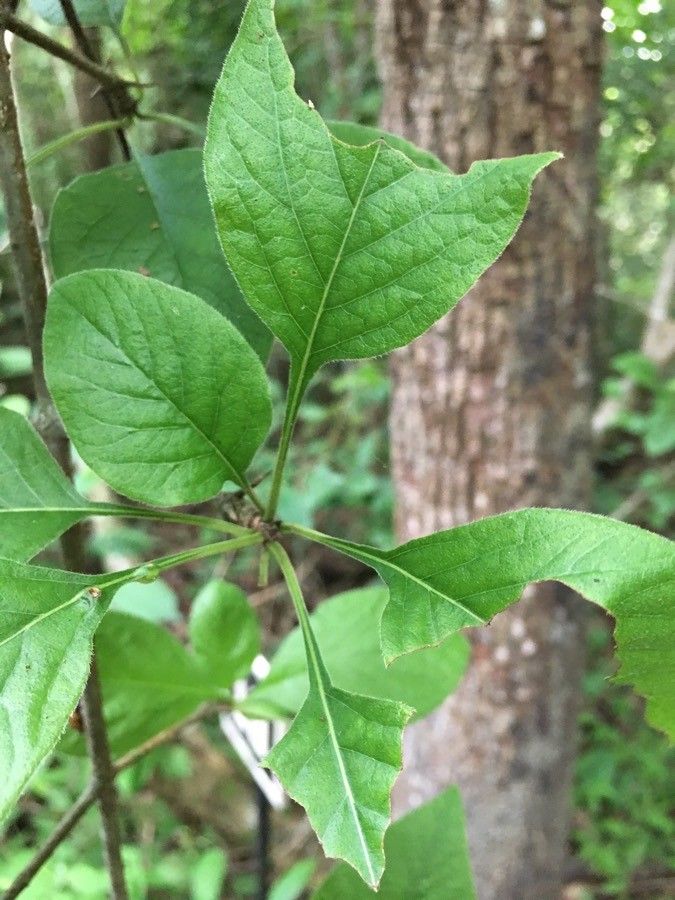
Oh, Randia monantha! What a lovely choice for your garden. Those delicate, star-shaped white flowers, often with that sweet, subtle fragrance… they bring a real touch of elegance, don’t they? And propagating them yourself? Well, that’s like bottling a little bit of that magic, just for you. It’s incredibly rewarding to watch a tiny cutting or a division blossom into its own full plant. Now, if you’re a beginner, I’d say Randia monantha can be a moderately challenging plant to propagate. It’s not impossible by any means, but it does appreciate a bit of attention to detail. It’s more of a “let’s learn together” kind of plant.
The Best Time to Start
For the highest chance of success with your Randia monantha, aim for late spring or early summer. This is when the plant is in its active growth phase, meaning it has plenty of energy to put into developing new roots. You’re looking for stems that are semi-hardwood – they’ve started to firm up but aren’t completely woody and rigid. You know, those ones that have a slight bend but don’t snap easily.
Supplies You’ll Need
To get your propagation station set up, gather these essentials:
- Sharp Pruning Shears or a Knife: Cleanliness is key to prevent disease.
- Rooting Hormone (Optional, but recommended): This really gives cuttings a boost. Look for one with a good fungus inhibitor.
- Well-Draining Potting Mix: A mix of peat moss, perlite, and a bit of sand works wonderfully. You want it to hold moisture but not get waterlogged.
- Small Pots or Propagation Trays: Clean ones, of course!
- Plastic Bags or a Greenhouse Cover: To create a humid environment.
- Labels: Because trust me, you’ll forget which is which.
- Watering Can with a Fine Rose: For gentle watering.
Propagation Methods
Randia monantha is best propagated by stem cuttings. It’s a really satisfying way to get more plants.
- Take Your Cuttings: In late spring or early summer, select healthy, non-flowering shoots. Using your clean shears, cut stems that are about 4 to 6 inches long. Make the cut just below a leaf node (where a leaf attaches to the stem).
- Prepare the Cuttings: Gently remove the leaves from the lower half of the cutting. You want to expose a few nodes so they have a better chance to root. If the leaves are particularly large, you can even cut them in half to reduce water loss.
- Apply Rooting Hormone: Dip the cut end of each stem into your rooting hormone, tapping off any excess. This step is like giving your cutting a little superpower to encourage root development.
- Pot Them Up: Fill your small pots with your prepared, slightly damp potting mix. Make a hole in the center of the mix with your finger or a pencil. Insert the cutting into the hole, making sure the nodes where you removed the leaves are buried. Gently firm the soil around the base of the cutting.
- Create Humidity: Water the soil lightly. Then, cover the pots with clear plastic bags, using stakes to keep the plastic from touching the leaves. This creates a mini-greenhouse effect, keeping the humidity high, which is crucial for cuttings. Place them in a bright spot, but out of direct sunlight, which can scorch the delicate cuttings.
Another method, though perhaps less common for Randia, is division, but this is best done when repotting established plants. If you have a mature Randia that’s become pot-bound, you might see multiple stems emerging from the base. You can carefully tease these apart, ensuring each section has some roots, and pot them up individually. This usually works best in spring.
The “Secret Sauce” (Pro Tips)
Here are a few little tricks I’ve picked up over the years:
- My absolute biggest tip: Don’t let the leaves touch the surface of the water in your propagation container if you were to try water propagation. This is a recipe for rot, not roots! Keep leaves hovering above if you go that route, but soil is generally more reliable for Randia.
- Bottom heat is your friend. If you have a propagation mat, placing your pots on it can really speed up root formation. It mimics the warmth of the soil on a sunny day and encourages those roots to get going. Just a gentle warmth, not hot!
- Mist, but don’t drench. While humidity is vital, overwatering the soil can lead to fungal issues. Gentle misting of the leaves (if the plastic isn’t completely sealed) or occasional light watering is better than soggy soil.
Aftercare & Troubleshooting
Once you start seeing tiny white roots peeking out from the drainage holes or a gentle tug on the cutting shows resistance, your new Randia monantha is ready to be transplanted into its own small pot with regular potting soil. Continue to keep it in bright, indirect light and water regularly, allowing the soil to dry out slightly between waterings.
The most common sign of failure is wilting and browning leaves, or the cutting turning mushy and black at the base. This usually points to too much moisture and insufficient airflow, leading to rot. If you see this, sadly, the cutting is likely lost. It’s just part of the gardening journey! On the flip side, vigorous new growth is a clear sign of success.
A Encouraging Closing
Propagating your own plants is a journey of patience and observation. Don’t be discouraged if your first few attempts aren’t perfect. Each cutting you take is a chance to learn more about your plant and your own gardening style. Enjoy the process, celebrate every tiny root, and soon you’ll have a whole collection of beautiful Randia monantha to enjoy! Happy gardening!
Resource:
https://identify.plantnet.org/k-world-flora/species/Randia%20monantha%20Benth./data