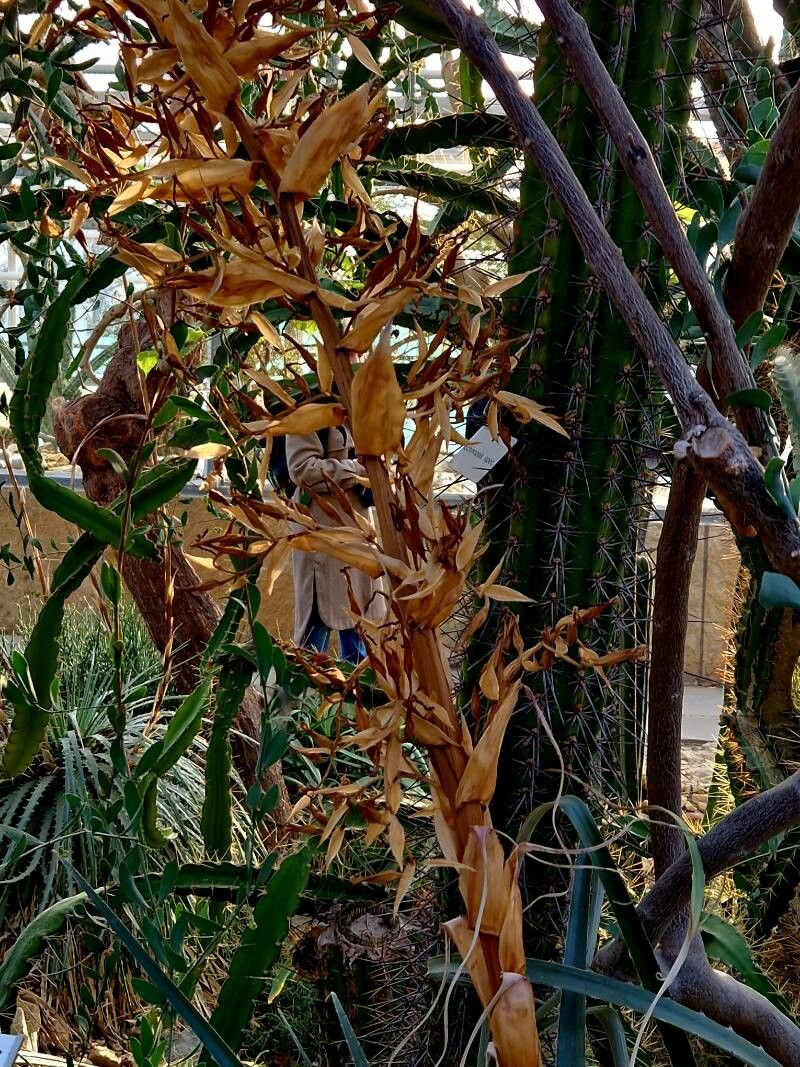
Hello garden friends! It’s been a little while since we’ve had a good chat about propagating something truly special, and today, I want to dive into the wonderful world of Puya glabrescens. If you’re drawn to plants with a bit of architectural flair, those striking, spiky beauties that bring a touch of the exotic to our gardens, then you’ll absolutely adore Puya. Propagating them is like unlocking a secret treasure chest – immensely rewarding! Now, for a beginner, I’d say Puya can be a bit of a leap, but with a little focused attention, it’s absolutely achievable. Don’t let those formidable spines deter you!
The Best Time to Start
When it comes to Puya glabrescens, the absolute sweet spot for propagation is late spring or early summer. This is when the plant is actively growing, pushing out new energy and ready to invest it into new life. You want to catch them in their vigorous phase, rather than trying to coax them along when they’re winding down for the season.
Supplies You’ll Need
Here’s what you’ll want to have on hand:
- Sharp, sterile pruning shears or a clean knife: For making clean cuts.
- Rooting hormone powder (optional but helpful): Especially for stem cuttings.
- Gritty, well-draining potting mix: Think a blend of perlite, coarse sand, and a good quality potting soil. Puya hates soggy feet!
- Small pots or propagation trays: With drainage holes, of course.
- Labels: To keep track of what you’ve planted and when.
- Watering can with a fine rose or spray bottle: For gentle watering.
Propagation Methods
Puya glabrescens is primarily propagated by division. This is my go-to method, as it’s generally the most successful and less stressful for the parent plant.
Division: Sharing the Bounty
Over time, Puya plants naturally produce offsets, or “pups,” usually around the base of the parent plant. These little guys are like miniature versions of the mother plant, already equipped with their own roots.
- Prepare the Parent Plant: First, ensure the parent plant is healthy and well-established. Water it a day or two before you plan to divide. This plumps up the tissues, making them easier to handle.
- Gently Excavate: Carefully dig around the base of the parent plant. You might need to use a trowel or even your hands to gently loosen the soil. The goal is to expose the offsets without damaging them or the main plant.
- Identify and Separate: Look for offsets that have their own root system. You want to detach them from the parent plant, using your sharp knife or shears if necessary. Try to keep as many roots attached to the offset as possible. If an offset doesn’t have obvious roots yet, it’s best to leave it attached and let it develop more.
- Potting the Pups: Let the divided offsets air dry for a day or two in a shaded spot. This helps any cut ends callous over, which reduces the risk of rot. Then, plant each offset in its own small pot filled with your gritty, well-draining mix. Firm the soil gently around the base.
- Initial Watering: Water lightly after planting. Don’t drench it. You want the soil to be moist, not waterlogged.
The “Secret Sauce” (Pro Tips)
Here are a few things I’ve learned from years of coaxing these beauties along:
- Acclimate Slowly: After dividing and potting, don’t immediately blast your new pups with full sun. They’ve been through a bit of stress, so let them adjust in bright, indirect light for a week or two before gradually introducing them to more sun.
- Bottom Heat is Your Friend: If you’re in a cooler climate or starting early in the season, a propagation mat or placing your pots on a sunny windowsill that gets a bit of warmth can significantly speed up root development. Puya loves a bit of warmth at its roots.
- Patience with the Spines: Remember that Puya have sharp defenses. Always wear thick gardening gloves and use tools to handle both the parent plant and the offsets. It’s a small price to pay for such rewarding blooms!
Aftercare & Troubleshooting
Once your pups are potted, keep the soil lightly moist. You don’t want them to dry out completely, but overwatering is their kryptonite. You should start to see signs of new growth within a few weeks to a couple of months, which is your cue that roots are forming.
The most common problem you’ll encounter is rot. This usually happens from too much moisture. If you see your offset becoming mushy or developing dark, soft spots, it’s a sure sign of rot. Unfortunately, if rot sets in, it’s very difficult to save. Your best bet is to catch it early and try to remove the rotted parts. Again, that gritty soil and careful watering are your best defense.
A Little Encouragement
Propagating Puya glabrescens is a journey, not a race. Be patient with your new little plants, and enjoy the process of watching them establish themselves. There’s a unique satisfaction in growing a plant from a division, knowing you’ve helped create new life. Happy gardening!
Resource:
https://identify.plantnet.org/k-world-flora/species/Puya%20glabrescens%20L.B.Sm./data