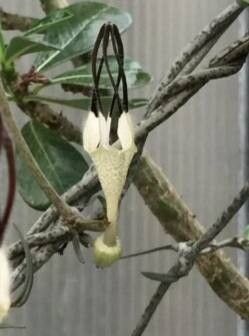
Hello fellow plant lovers! Today, we’re diving into the fascinating world of Ceropegia bosseri, a succulent that’s truly something special. Its unique, heart-shaped leaves and trailing stems make it a delightful addition to any collection. And the best part? Propagating it is incredibly rewarding, and I’m here to guide you through it all. Don’t worry if you’re new to this; Ceropegia bosseri is quite forgiving, making it a wonderful plant for beginners looking to expand their green family.
The Best Time to Start
When it comes to getting new Ceropegia bosseri plants, spring and early summer are your golden ticket. This is when the plant is actively growing, which means it’s brimming with energy and much more receptive to taking root and thriving. You’ll find that cuttings taken during this period are more robust and less likely to encounter issues.
Supplies You’ll Need
Before we get our hands dirty, let’s gather our essentials:
- Sharp, clean pruning shears or a sterile knife: For making clean cuts.
- Well-draining potting mix: I like a blend of regular potting soil with perlite or pumice. A cactus or succulent mix works great too.
- Rooting hormone (optional but helpful): Especially for stem cuttings, it can give them a little boost.
- Small pots or propagation trays: Anything that will hold your cuttings and soil. Make sure they have drainage holes!
- Watering can with a fine spout: To gently water your new propagations.
- A bright, indirect light location: Somewhere warm but out of harsh sun.
Propagation Methods
Ceropegia bosseri is a champ at propagating from stem cuttings, and it’s your easiest route.
Stem Cuttings:
- Find a healthy stem: Look for a stem that’s at least 4-6 inches long and looks plump and vigorous.
- Make the cut: Using your clean shears or knife, make a clean cut just below a leaf node. Nodes are those little bumps where leaves emerge. This is where new roots will form. You can take multiple cuttings from one healthy plant.
- Prepare the cutting: Gently remove the lower leaves from the cutting, exposing the node. You want a few leaves at the top for photosynthesis, but a bare stem at the bottom to encourage root growth.
- Let it callus (optional but recommended): This is a crucial step for succulents! Let your cuttings sit in a dry, airy spot for a few days to a week. You’ll see the cut end dry and form a callus. This prevents rot when you plant them.
- Plant your cuttings: Dip the callused end into rooting hormone, if you’re using it. Then, gently insert the cut end into your prepared well-draining potting mix. Ensure the node is buried.
- Water sparingly: Give the soil a light watering. You want it slightly moist, not soggy.
Water Propagation (Use with Caution!):
While I prefer the soil method for succulents like Ceropegia bosseri because it helps prevent rot, water propagation can work if done carefully.
- Follow steps 1-3 for stem cuttings.
- Place in water: Instead of planting, place the cutting in a small jar or glass of water.
- The crucial tip: Only submerge the cut stem! Absolutely do not let the leaves touch the water. If they do, they will rot quickly.
- Change water regularly: Change the water every few days to keep it fresh.
- Wait for roots: You should see tiny white roots appearing within a few weeks.
- Transplant: Once the roots are about an inch long, carefully transplant your cutting into well-draining potting mix. Treat it like a fresh cutting from this point on.
The “Secret Sauce” (Pro Tips)
Here are a few things I’ve learned over the years that can really make a difference:
- Bottom Heat is Your Friend: If you can, place your propagation pots on a heat mat. This gentle warmth encourages root development, especially in cooler indoor environments. It’s like giving your little cuttings a cozy hug to get them growing!
- Don’t Overwater, Ever! Succulents store water in their leaves and stems, which is why they’re so drought-tolerant. Overwatering is the quickest way to lose a new cutting. Err on the side of too dry rather than too wet, especially in the early stages. When you do water, water thoroughly but allow the soil to dry out between waterings.
- Patience is a Virtue (and a Necessity): Ceropegia bosseri isn’t the fastest grower, and neither are its babies. Sometimes, it can take several weeks, or even a couple of months, before you see definite signs of new growth or a firmly rooted plant. Resist the urge to constantly tug them to see if they have roots. Trust the process!
Aftercare & Troubleshooting
Once you see signs of new growth — tiny leaves appearing or the cutting feeling secure when gently tugged — you know your Ceropegia bosseri has rooted!
- Gradual Acclimation: Slowly introduce your new plants to more direct sunlight. Start with a few hours of morning sun and gradually increase it.
- Watering Routine: Now you can water a bit more regularly, but always let the soil dry out between waterings.
- Signs of Trouble: The most common issue is rot, which looks like mushy, brown stems or leaves. This is almost always due to overwatering or insufficient drainage. If you see rot, try to salvage any healthy section, let it callus, and start again. Yellowing leaves that aren’t caused by thirst can sometimes indicate too much direct sun or insufficient light.
A Encouraging Closing
Propagating Ceropegia bosseri is a journey of patience and observation. Don’t get discouraged if your first attempt isn’t perfect; every gardener learns from their experiences! Enjoy the process of nurturing these tiny wonders, and soon you’ll have a whole collection of these charming heart-on-a-string plants. Happy propagating!
Resource:
https://identify.plantnet.org/k-world-flora/species/Ceropegia%20bosseri%20Rauh%20&%20Buchloh/data