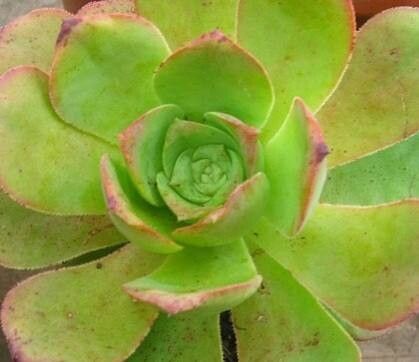
Grow More of Those Gorgeous Aeonium Gorgoneums!
There’s something truly special about Aeonium gorgoneum. Those rosette-shaped succulents, often with their dramatically upright stems and fascinating foliage, just bring a bit of architectural flair to any collection. And the best part? You can easily multiply these beauties! Propagating succulents like gorgoneum is incredibly rewarding. You take a piece of something you love and turn it into a whole new plant. It’s like magic, but it’s just good gardening! For beginners, I’d say this one falls into the “pretty easy” category, which is always a nice confidence booster.
When to Get Started
The absolute best time to propagate Aeonium gorgoneum is during its active growing season. For most of us, that means late spring through early summer. You’ll see new growth appearing, and the plant will be full of life and ready to put energy into rooting. Trying to propagate when the plant is dormant, usually in the heat of summer or the cold of winter, is less likely to yield the results you want.
What You’ll Need
Before you dive in, gather your tools. Having everything ready makes the process so much smoother:
- Sharp, clean pruning shears or a sharp knife: For making clean cuts.
- Well-draining succulent or cactus soil mix: You can buy this pre-made or mix your own with potting soil, perlite, and coarse sand.
- Small pots or trays: With drainage holes, of course!
- Rooting hormone (optional but helpful): A powder or gel that encourages root development.
- A spray bottle: For misting.
- Newspaper or a tray: To catch any soil mess.
Let’s Get Growing: Propagation Methods
Aeonium gorgoneum is wonderfully responsive to a couple of straightforward propagation methods.
Method 1: Stem Cuttings
This is my go-to for gorgoneum. It’s so effective!
- Find a healthy stem: Look for a mature stem on your gorgoneum that has a good rosette at the top and some length to it. It shouldn’t be leggy or unhealthy.
- Make the cut: Using your clean, sharp shears or knife, make a cut about an inch or two below the rosette. If the stem has a few leaves along its length, you can gently pull those off to expose more of the stem.
- Let it callus: This is crucial! Place the cutting on a dry surface, away from direct sunlight, for 2-7 days. You want the cut end to dry out and form a protective scab. This prevents rot when you put it in soil.
- Prepare the pot: Fill a small pot with your well-draining succulent mix.
- Plant the cutting: Once the end has callused, you can dip it in rooting hormone (if using). Then, gently insert the callused end into the soil, just deep enough to stand it up. You don’t need to bury it deeply.
- Water sparingly: After planting, give it a very light watering, just enough to settle the soil around the base.
Method 2: Leaf Cuttings (Less Reliable for Gorgoneum, but Worth a Try!)
While stem cuttings are my preference, you can occasionally get a leaf to root, though it’s less consistent with gorgoneum.
- Gently twist off a leaf: Choose a healthy, plump leaf from the base of the rosette. Twist it gently from the stem. The goal is to get a clean break right at the stem. If you tear the leaf, it won’t root.
- Callus time: Just like with stem cuttings, let the leaf sit on a dry surface for 2-7 days until the cut end forms a callus.
- Lay on soil: Fill a shallow tray or pot with your succulent mix. Lay the callused leaf gently on top of the soil. You don’t need to bury it.
- Mist occasionally: Keep the soil slightly moist by lightly misting the surface every few days.
The “Secret Sauce”: Insider Tips
As I’ve learned over the years, a few little tricks can make all the difference:
- Don’t let the leaves touch the water: If you’re water propagating (which I don’t typically do for gorgoneum as soil is better), ensure only the callused stem end is submerged. Any leaves in contact with water will likely rot.
- Bottom heat is your friend: If you can, placing your pots with cuttings on a seedling heat mat can dramatically speed up root development. The gentle warmth encourages the plant to get busy creating new roots.
- Patience is key with a callus: I cannot stress this enough. Skipping the callusing step is the most common reason for rot. Give that cut end time to dry and seal!
Aftercare and What to Watch For
Once your cutting is in soil and has callused, you can start treating it like a baby succulent.
- Water when dry: Wait until the soil feels dry to the touch before watering again. It’s better to err on the side of underwatering than overwatering at this stage.
- Bright, indirect light: Place your new cuttings in a spot with bright, indirect light. Avoid intense, direct sun, which can scorch tender new growth.
- Signs of success: What you’re looking for is new growth appearing from the base of the cutting or from the rosette itself. You might also notice the cutting becoming more firmly anchored in the soil.
- Trouble signs: The biggest enemy here is rot. If you see the stem or leaf turn mushy, black, or smelly, it’s usually a sign of overwatering or a failure to callus properly. Unfortunately, a rotted cutting is usually a lost cause, so remove it immediately to prevent it from affecting other potential propagations.
Keep Growing!
Propagating Aeonium gorgoneum is a joyful gardening practice. Don’t get discouraged if your first attempt isn’t perfect. Each plant is a learning experience! Be patient, enjoy the process of nurturing these little bits of life, and soon you’ll have a whole new collection of these stunning plants to share or admire. Happy propagating!
Resource:
https://identify.plantnet.org/k-world-flora/species/Aeonium%20gorgoneum%20J.A.Schmidt/data