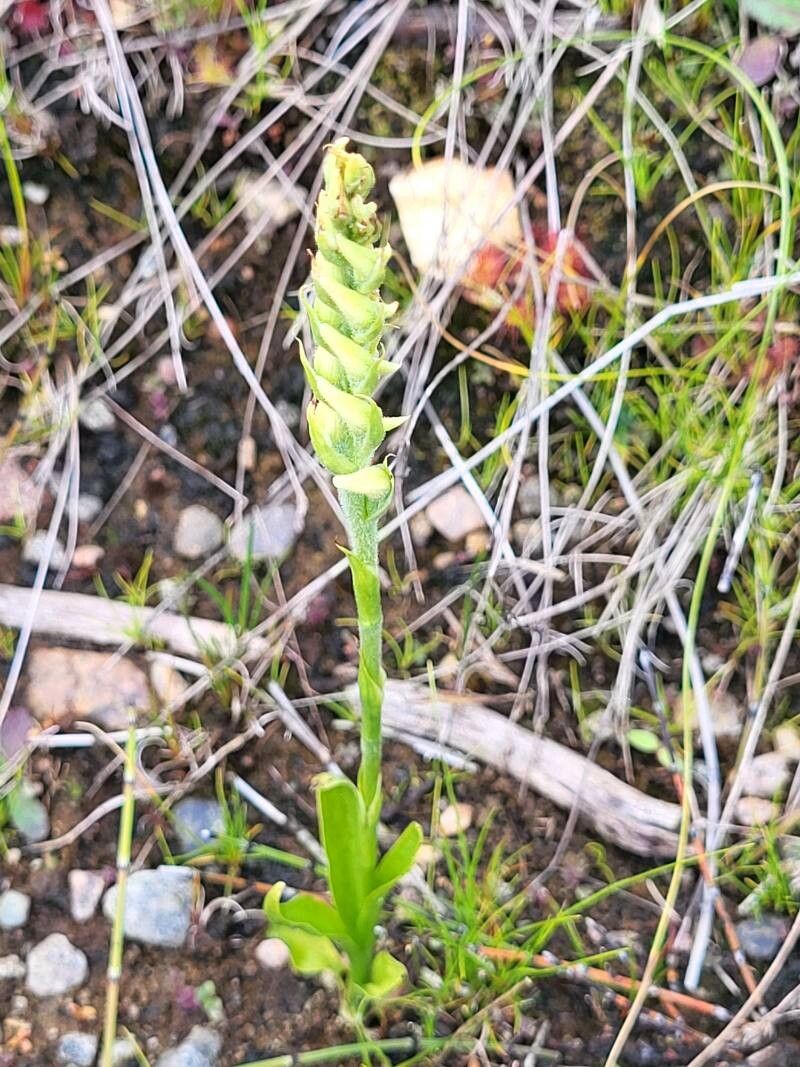
Oh, hello there! Pull up a chair and let’s chat about one of my absolute favorite woodland beauties, Spiranthes cernua. You know, the nodding ladies’ tresses orchid? If you’ve ever been lucky enough to see these delicate spiraling blooms gracing a moist meadow or woodland edge, you’ll understand their charm. They have this quiet elegance, a subtle perfume, and an undeniable magic. Propagating them yourself? Well, that’s a truly special kind of gardening magic.
Now, I won’t sugarcoat it entirely. Orchids, even terrestrial ones like Spiranthes, can be a tad more particular than your average petunia. But with a little understanding and a gentle touch, I promise, it’s a journey well worth embarking on. It’s incredibly rewarding to nurture these little wonders from a tiny piece of their parent plant.
The Best Time to Start
For Spiranthes cernua, the sweet spot for propagation is generally late winter or early spring, just as the plant is waking up from its dormancy. You’re looking for that moment when the old growths are starting to look a bit tired, and new little nubs are peeking out. This is when the plant has stored up its energy and is ready to stretch and grow. Trying to do this when the plant is in full bloom or deep in summer heat can stress it out too much.
Supplies You’ll Need
Let’s gather our tools, shall we? Here’s a little list to get you started:
- Pots or trays with good drainage.
- Sterile potting mix: I swear by a blend of equal parts peat moss, perlite, and orchid bark. It keeps things airy and holds just enough moisture.
- A sharp, sterilized trowel or spade.
- Rooting hormone (optional, but I find it gives a little boost).
- A spray bottle for misting.
- Gloved hands!
Propagation Methods
The primary way we’ll be encouraging new Spiranthes cernua plants is through division. These orchids grow from small tubers, sort of like miniature potatoes, and they tend to clump up over time.
- Gently Extract: When you’re ready, carefully unpot your Spiranthes plant. Try to disturb the root system as little as possible. You might need to loosen the soil around the edges of the pot.
- Locate the Divisions: Once the plant is out, gently tease away some of the excess soil. You’ll be looking for separate tubers. They might be attached by a thin rhizome or look like distinct nuggets.
- Divide with Care: Using your sterilized trowel or even just your fingers if they separate easily, gently break or cut the clumps into smaller sections. Each division should have at least one healthy-looking tuber and a bit of root. If a division has no roots, don’t fret too much – it can often still establish if the tuber is sound.
- Pot Them Up: Plant each division in its own small pot filled with your special sterile mix. Make sure the top of the tuber is just at or slightly below the soil surface.
- Water Lightly: Give them a gentle watering, just enough to moisten the soil thoroughly without waterlogging it.
The “Secret Sauce” (Pro Tips)
Here are a couple of things I’ve learned over the years that really make a difference:
- Don’t Disturb Too Often: Once you’ve divided and potted, resist the urge to dig them up and check for roots constantly. This is a high-stress activity for them, and a little patience goes a long way. Let them settle in their new homes.
- Mimic Their Natural Home: Spiranthes love “wet feet,” but they also need good air circulation. My secret is to place the newly potted divisions on a tray with a layer of moist gravel or perlite. This keeps the humidity up around the pot without letting the base of the plant sit in stagnant water, which can lead to rot.
Aftercare & Troubleshooting
After you’ve tucked your divisions into their new pots, keep them in a bright, indirect light location. Misting the surface of the soil occasionally is a good idea, especially if the air is dry, but avoid drenching them. You’re aiming for consistently moist, but not soggy, soil.
The most common issue you might encounter is rot. If you see a tuber turning mushy and black, it’s usually a sign of too much moisture or poor drainage. Unfortunately, a rotted tuber is usually lost. That’s why that well-draining, airy mix is so crucial! If your division seems to be doing nothing for weeks, don’t panic. Sometimes they take their sweet time to get settled. Just keep those conditions consistent.
A Encouraging Closing
Gardening, especially with special plants like Spiranthes cernua, is all about learning and growing alongside your plants. Be patient with yourself and with these delicate beauties. Enjoy the process of nurturing something new, and before you know it, you’ll be admiring your own little spirals of nodding ladies’ tresses. Happy growing!
Resource:
https://identify.plantnet.org/k-world-flora/species/Spiranthes%20cernua%20(L.)%20Rich./data