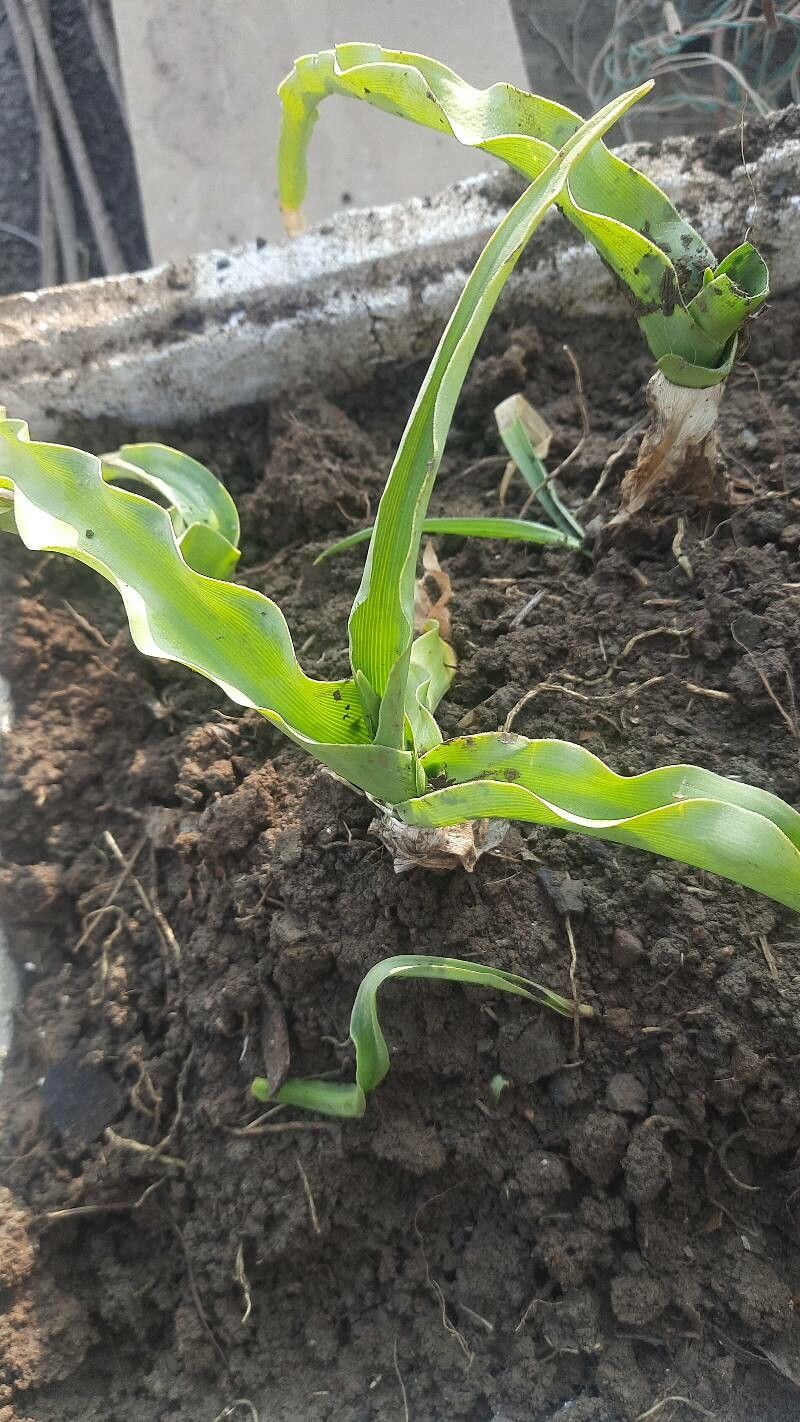
Oh, the joy of seeing a new plant sprout from a piece of one you already love! Crinum lilies, with their elegant, trumpet-shaped blooms and lush foliage, are such treasures. Crinum macowanii, in particular, offers a beautiful display that will have your neighbors peeking over the fence. And the best part? Propagating them isn’t as daunting as you might think. In fact, it’s a wonderfully rewarding way to share these beauties or simply expand your own collection. For someone just starting out, I’d say it’s moderately easy – a little patience goes a long way!
The Best Time to Start
I’ve found the sweet spot for propagating Crinum macowanii is in late spring to early summer. This is when the plant is actively growing after its winter rest and has plenty of energy to put into new growth. You’re looking for healthy, robust plant material. If you’re dividing bulbs, it’s best done when the plant isn’t in active bloom, so anytime outside of its main flowering period works.
Supplies You’ll Need
- Sharp, clean pruning shears or a knife: For making clean cuts.
- Well-draining potting mix: I like a blend of perlite, peat moss, and compost. Good drainage is key for bulbs!
- Small pots or trays: Enough for your cuttings or divisions.
- Optional: Rooting hormone: Not strictly necessary for Crinums, but it can give an extra boost.
- Optional: Clear plastic bag or propagation dome: To create a humid environment.
- Optional: Bottom heat mat: For those cooler spring days.
Propagation Methods
While Crinum lilies are easiest to propagate through division, you can also have success with stem cuttings, though it’s a bit less common and requires a bit more attention.
1. Division: The Classic Crinum Approach
This is my go-to method for Crinums. It’s straightforward and very effective.
- Digging: Gently dig up your Crinum lily. It’s best to do this when the soil is slightly moist, as it makes the bulbs easier to excavate without damage. Loosen the soil around the perimeter and carefully lift the entire clump.
- Cleaning: Gently brush away excess soil from the roots and bulbs. You want to be able to see where one bulb meets another.
- Separating: Look for natural separations where new bulbs have formed. Using your hands or a clean, sharp knife, carefully separate the offsets. Each offset should have at least one or two healthy roots attached and a portion of the bulb.
- Inspection: Check your divisions for any signs of rot or damage. If you find any soft spots, you can trim them away and let the cut surface air dry for a few hours before replanting. This helps prevent fungal issues.
- Re-potting: Plant each division in its own pot filled with your well-draining potting mix. The top of the bulb should be just at or slightly above the soil line. Water thoroughly.
2. Stem Cuttings (Leaf Cuttings – to be precise!)
This method is a bit more experimental but can yield results.
- Selecting Cuttings: Choose a healthy, mature leaf. You want a leaf that is long and perhaps starting to arch over.
- Making the Cut: Using your clean shears, cut the leaf at the base, just where it emerges from the bulb.
- Preparing the Cutting: You can leave the leaf as is, or I sometimes cut the leaf in half vertically or into a few sections. It’s important to ensure there’s bulb tissue attached to the base of each section if you’re separating them.
- Rooting Hormone (Optional): Dip the cut end(s) of your leaf section into rooting hormone, tapping off any excess.
- Planting: Plant the cutting directly into a pot of well-draining potting mix. Make sure the cut end is tucked firmly into the soil. If you’re using leaf sections, plant them upright.
- Creating Humidity: This is crucial for stem cuttings. You can cover the pot with a clear plastic bag (supported by stakes so it doesn’t touch the leaves) or place it under a propagation dome. Mist the soil surface lightly if it starts to dry out.
The “Secret Sauce” (Pro Tips)
Here are a couple of things I’ve learned over the years that really make a difference:
- Don’t drown your divisions! While they need moisture to establish, overly wet conditions are the quickest way to invite rot. Let the soil dry out a little between waterings.
- Bottom heat is your friend, especially for those leaf cuttings. Even if it’s not super cold, providing a gentle warmth from below (using a dedicated heat mat or even placing the pots on top of a warm refrigerator) encourages root development. It mimics that lovely summer soil temperature.
- Patience with leaf cuttings is paramount. They can take a surprisingly long time – sometimes several months! – to show any signs of new growth. Don’t give up too soon!
Aftercare & Troubleshooting
Once your divisions or cuttings show signs of root development (you might see new leaves emerging or feel some resistance when you gently tug on a cutting), you can start treating them like a young Crinum. Keep them in a bright spot, but out of harsh direct sun for the first few weeks. Water them when the top inch of soil feels dry.
The most common problem you’ll encounter is rot. This usually happens if the soil stays too wet or if there was pre-existing rot on the division. If you see a bulb turning black and mushy, it’s usually a lost cause. For leaf cuttings, if the leaf section turns black and slimy, it’s also a sign of rot. In this case, it’s best to discard it to prevent it from spreading. Sometimes a leaf cutting might just shrivel up and fail to root. That’s just part of the process, and we try again!
A Encouraging Closing
Propagating Crinum macowanii is a wonderful way to connect with your plants and multiply their beauty. Don’t get discouraged if your first attempt isn’t perfect; gardening is all about learning and adjusting. Be patient with your new babies, give them good care, and enjoy the process of watching them grow into magnificent new lilies. Happy gardening!
Resource:
https://identify.plantnet.org/k-world-flora/species/Crinum%20macowanii%20Baker/data