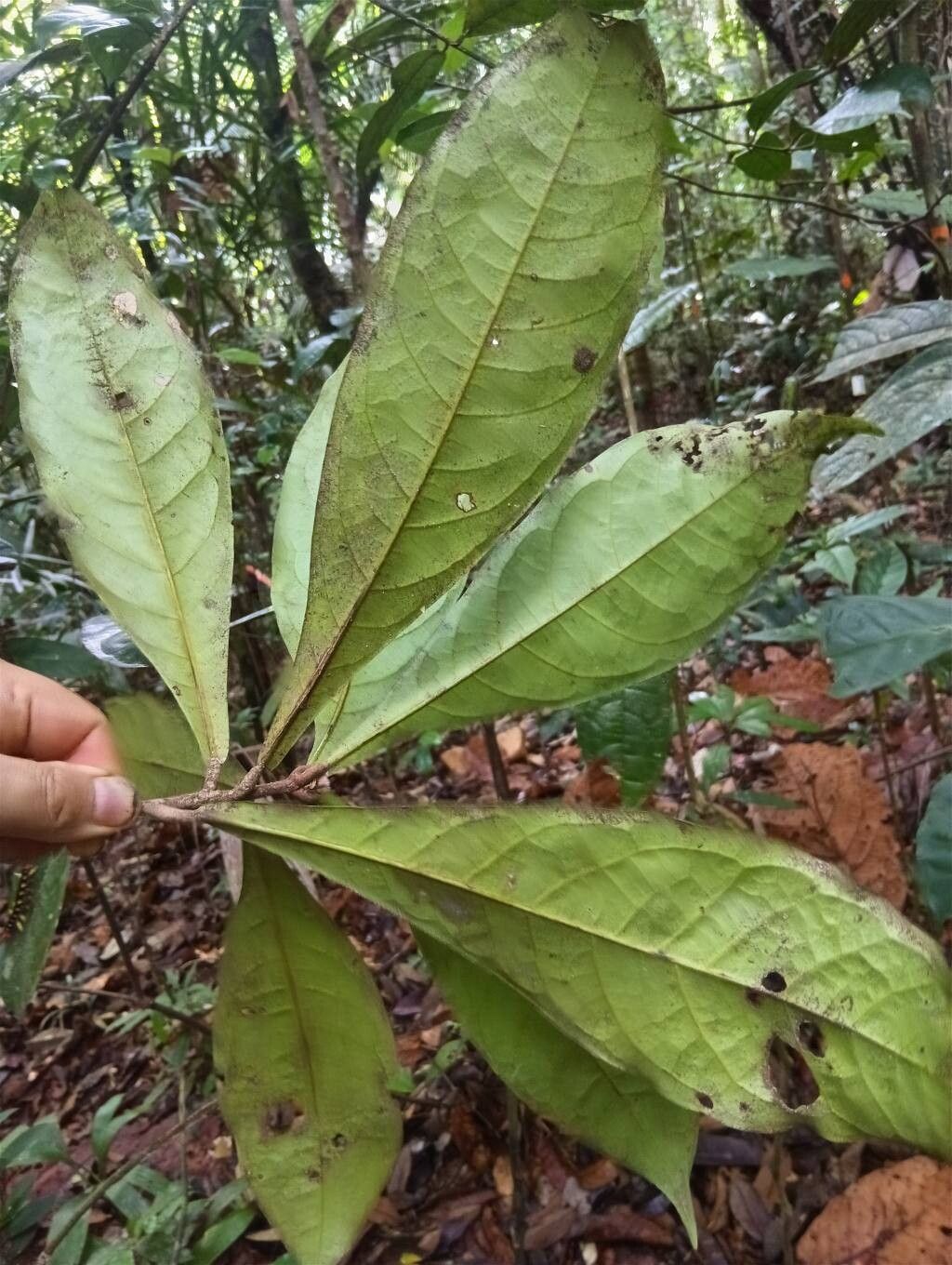
Oh, hello there! I’m so glad you’ve stopped by. Today, we’re going to dive into the wonderful world of Aniba megaphylla, a truly stunning plant that brings such a unique lushness to any space. Think of it as a tropical daydream you can grow yourself! Propagating this beauty is a deeply satisfying journey, and I promise, with a little know-how, you’ll be well on your way to a whole new collection of these gorgeous specimens. For beginners, I’d say Aniba megaphylla is moderately easy. It won’t throw tantrums if you miss a watering, but it does appreciate a bit of attention.
The Best Time to Start
My absolute favorite time to begin propagating Aniba megaphylla is during its active growing season. For many of us, that means spring through early summer. You’re looking for stems that are neither too old and woody nor too soft and brand-new. A good, semi-hardwood cutting is usually your best bet, full of life and ready to spring into action.
Supplies You’ll Need
Here’s what you’ll want to have on hand to make this process smooth sailing:
- Sharp pruning shears or a clean knife: For making clean cuts, which is crucial!
- Rooting hormone (optional but recommended): I like to use a powder formulation.
- Well-draining potting mix: A good blend for me is equal parts peat moss, perlite, and a bit of orchid bark.
- Small pots or propagation trays: With drainage holes, of course.
- Clear plastic bags or a propagation dome: To create a humid environment.
- Watering can with a fine rose or a spray bottle: For gentle watering.
- Gloves (optional): If you have sensitive skin or just prefer them.
Propagation Methods
For Aniba megaphylla, my go-to method is stem cuttings. It’s reliable and gives you a great shot at success.
- Take Your Cuttings: On a healthy, semi-hardwood stem, make a clean cut just below a leaf node (where a leaf attaches to the stem). You’re aiming for cuttings that are about 4-6 inches long. Remove the lower leaves, leaving only two or three at the very top. This helps the cutting focus its energy on root development, not leaf maintenance.
- Apply Rooting Hormone: If you’re using rooting hormone, dip the cut end of the stem into the powder, tapping off any excess. This is like a little boost of encouragement for those new roots.
- Plant Your Cuttings: Fill your small pots with your prepared potting mix. Make a hole in the center of the mix with your finger or a pencil. Gently insert the cut end of the Aniba megaphylla cutting into the hole, making sure the rooting hormone stays on the stem. Firm the soil gently around the base.
- Create Humidity: Water the soil gently until it’s moist but not soggy. Then, place the pot inside a clear plastic bag, sealing it loosely, or cover it with a propagation dome. This encloses humidity, which is essential for cuttings to root.
The “Secret Sauce” (Pro Tips)
Now for a couple of tricks up my sleeve!
- Don’t let the leaves touch the water (if you considered water propagation which I don’t usually advise for this plant, but as a general tip): For any plant you’re rooting in water, submerged leaves will rot and invite disease. So, keep ’em high and dry! This applies to your cuttings even when they’re in soil – prune off any low-hanging leaves.
- Bottom Heat is Your Friend: If you have a seedling heat mat, place your pots on it. A little warmth from below encourages root development like nothing else. It’s like a cozy spa treatment for your cuttings!
Aftercare & Troubleshooting
Once your cuttings are planted, place them in a bright spot, but avoid direct sunlight. It can scorch those delicate new leaves. Keep the soil consistently moist but not waterlogged. You’ll know your Aniba megaphylla cutting has rooted when you see new leaf growth or feel a gentle tug when you lightly try to pull on it. This can take anywhere from 4 to 8 weeks, sometimes longer.
The biggest issue you might encounter is rot. If you see your cutting turning mushy or developing dark spots, it’s usually because it’s too wet and not getting enough air circulation. Gently remove the affected cutting, and adjust your watering and humidity levels.
A Encouraging Closing
Propagating Aniba megaphylla is a wonderful way to connect with nature and expand your plant family. Be patient with the process; nature has its own rhythm. Every little success is a victory, and I can’t wait to hear about yours! Happy growing!
Resource:
https://identify.plantnet.org/k-world-flora/species/Aniba%20megaphylla%20Mez/data