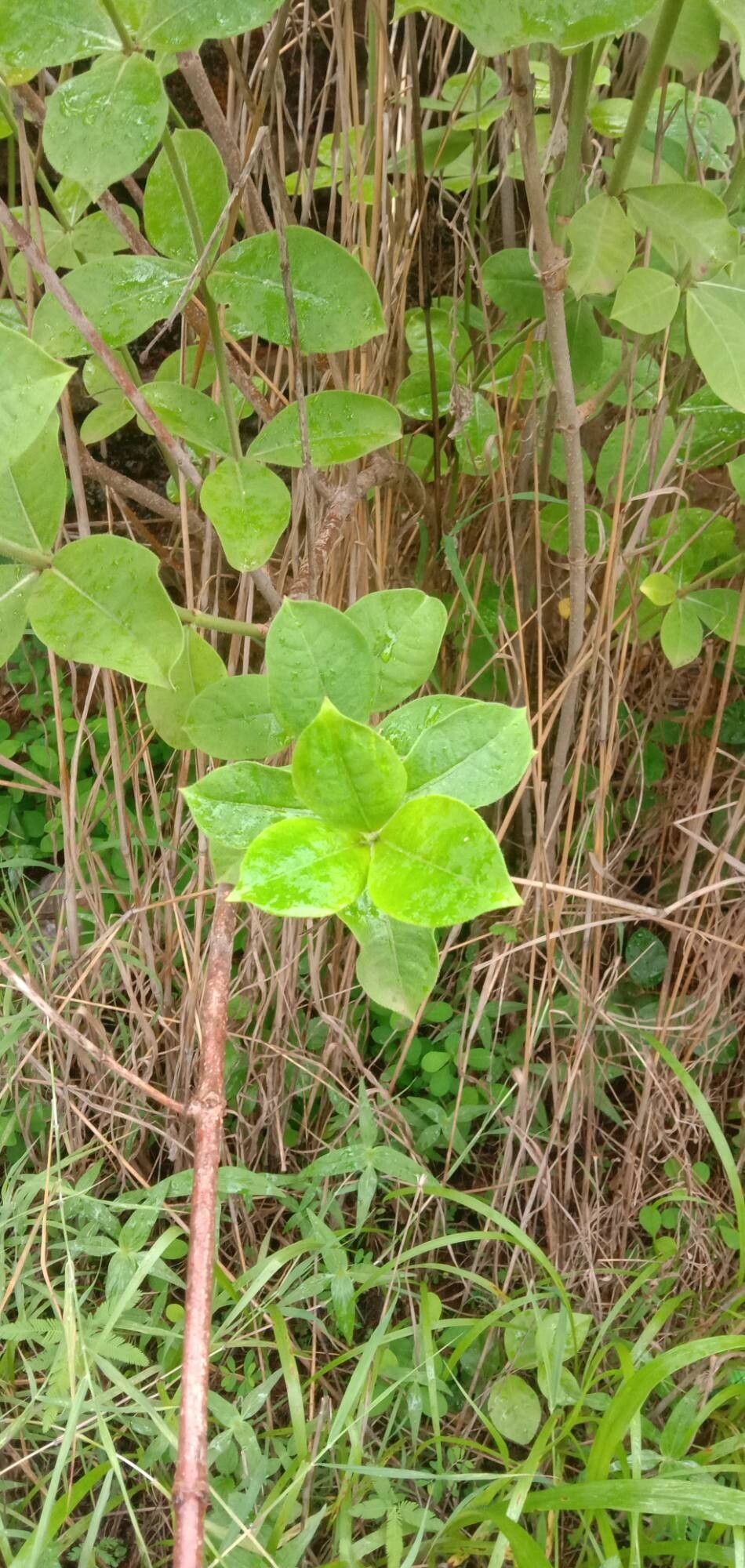
Hello, fellow garden enthusiasts! It’s been a while, hasn’t it? I’m so excited to chat with you today about one of my absolute favorite tropical blooms: the gorgeous Allamanda blanchetii. You know, the one with those stunning, trumpet-shaped, golden-yellow flowers that just scream sunshine and pure joy? They really do bring a bit of the tropics right into our gardens. Propagating them is a wonderfully rewarding experience. Seeing a tiny cutting transform into a healthy, blooming plant is truly magic. Now, for beginners, I’d say Allamanda can be a little bit of a learning curve, but don’t let that deter you! With a few key tips, you’ll be well on your way to success.
The Best Time to Start
Honestly, the best time to get your propagation party started is when your Allamanda is actively growing. Think late spring through summer. This is when the plant has plenty of energy to put into developing roots. You’re looking for healthy, semi-hardwood cuttings. These are stems that have grown this season but are starting to firm up a bit – not brand new, floppy growth, and not old, woody stems.
Supplies You’ll Need
Here’s what you’ll want to have on hand:
- Sharp Pruning Shears or a Clean Knife: For taking clean cuts.
- Rooting Hormone: This isn’t strictly necessary, but it really gives your cuttings a boost. Look for one that’s designed for woody or semi-hardwood cuttings.
- Well-Draining Potting Mix: A good blend of perlite, peat moss, and a bit of compost usually works wonders. You want it to hold moisture but not get waterlogged.
- Small Pots or Seed Trays: Clean ones are key!
- Plastic Bags or a Humidity Dome: To keep the humidity high around your cuttings.
- Labels and a Marker: So you don’t forget what’s what!
- Watering Can or Misting Bottle: For gentle watering.
Propagation Methods
For Allamanda blanchetii, stem cuttings are my go-to method. They’re reliable and give you a good chance of success.
- Take Your Cuttings: Select a healthy stem from your mature plant. Using your clean shears, take cuttings that are about 4-6 inches long. Make your cut just below a leaf node (where a leaf attaches to the stem). Remove the lower leaves, leaving just a couple at the very top.
- Apply Rooting Hormone: Dip the cut end of the stem into your rooting hormone, tap off any excess. This helps encourage root development.
- Pot Them Up: Fill your clean pots with your prepared potting mix. Make a small hole in the center of the soil with your finger or a pencil. Insert the cut end of your Allamanda cutting into the hole, and gently firm the soil around it.
- Water Gently: Water the soil thoroughly but gently. You don’t want to dislodge the cutting!
- Create a Humid Environment: Place the pots into a plastic bag, zipping it up to create a mini-greenhouse. Or, if you have a humidity dome, use that. Make sure the leaves aren’t touching the sides of the bag or pressing too tightly against the soil surface.
The “Secret Sauce” (Pro Tips)
Here are a couple of things I’ve learned over the years that can really make a difference:
- Don’t Let the Leaves Touch the Water (If Water Propagating): While I prefer soil for Allamanda, if you were to try water propagation (which I find trickier with this one), it’s crucial that the leaves never dip below the water line. Rot sets in so easily when leaves stay wet.
- Bottom Heat is Your Friend: If you can, place your pots on a heating mat designed for plants. This gentle warmth from below encourages the roots to start forming much faster. It makes a surprising difference!
- Be Patient with Leaf Drop: It’s common for cuttings to drop some of their leaves. Don’t panic! As long as the stem itself looks plump and green, it’s usually a good sign. If all the leaves drop off and the stem starts to shrivel, then you know it’s time to try again.
Aftercare & Troubleshooting
Once your cuttings have started to root – you’ll usually see new leaf growth appearing, or you can gently tug on the cutting and feel some resistance – it’s time to transition them.
- Gradual Acclimation: If you’ve been using the plastic bag method, slowly start to open it up over a few days to let the plant adjust to the drier air.
- Light and Water: Place your newly rooted plants in a bright, indirect light spot. Water them when the top inch of soil feels dry.
- Signs of Trouble: The biggest culprits for failure are overwatering and lack of humidity. If you see mushy, brown stems or mold on the soil surface, you’re likely overwatering. If the stems start to wilt and shrivel, it might be too dry, or the cutting just didn’t take. Rot is the most common issue, so always err on the side of slightly drier rather than drowning them.
So there you have it! Propagating Allamanda blanchetii is a journey, but it’s one filled with the promise of vibrant blooms. Be patient with your little shoots, keep them warm and humid, and celebrate every bit of progress. Happy gardening, and I can’t wait to hear about your successes!
Resource:
https://identify.plantnet.org/k-world-flora/species/Allamanda%20blanchetii%20A.DC./data