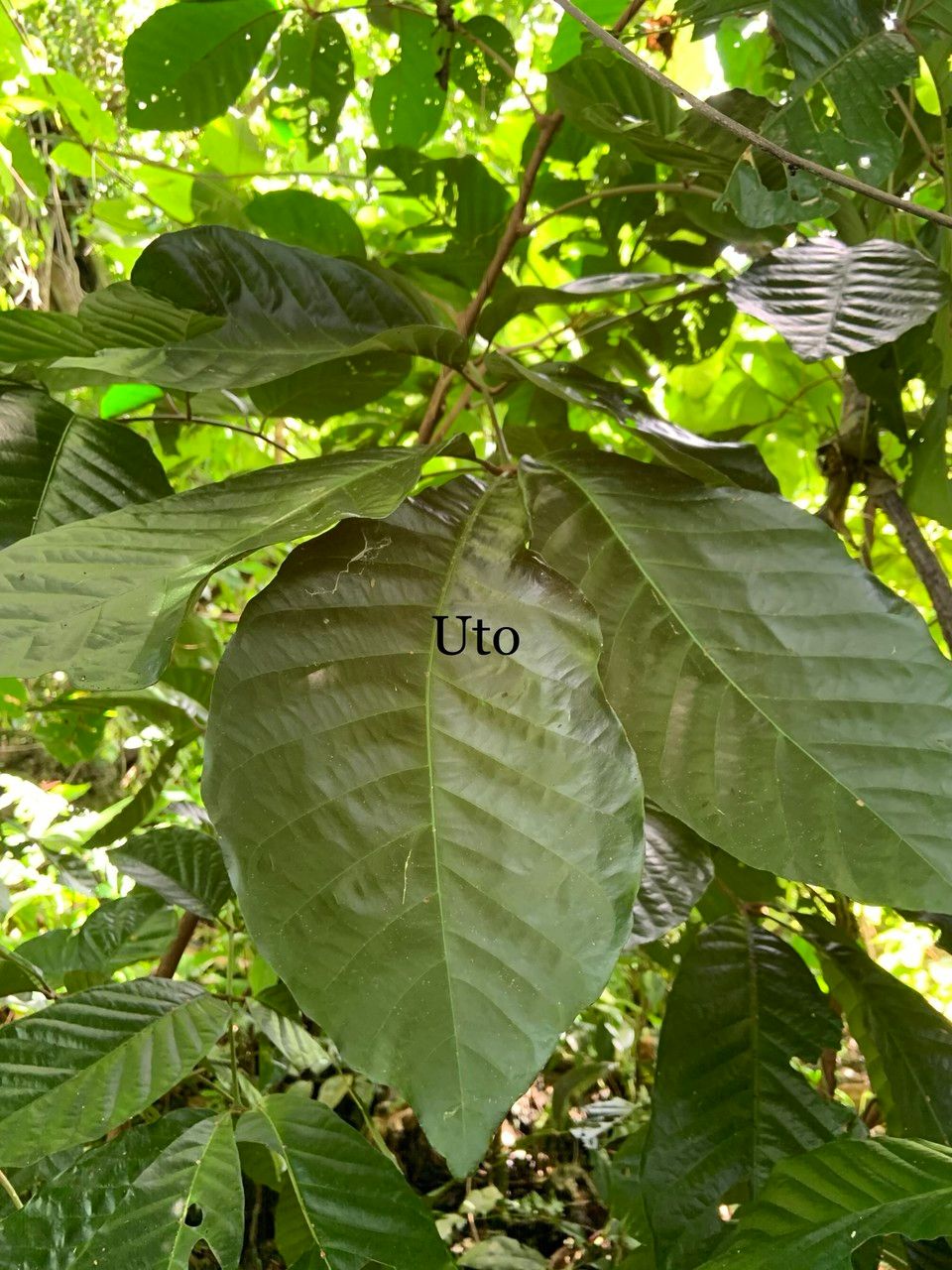
Oh, hello there! I’m so glad you’ve stumbled upon this little corner of my garden. Today, we’re going to talk about a truly special plant: Aglaia saltatorum. You might know it by its common name, “Dancing Aglaia,” for the way its leaves seem to flutter with the slightest breeze. It’s a beauty, with lush, glossy foliage that can really bring a tropical feel to a home or garden.
Propagating these beauties is such a rewarding pursuit. It’s a wonderful way to share the plant love with friends or simply to expand your own collection without breaking the bank. Now, I won’t lie and say it’s as easy as rooting a pothos, but it’s certainly not impossible for the eager beginner. With a little patience and the right approach, you’ll be well on your way!
The Best Time to Start
For Aglaia saltatorum, the sweet spot for propagation is definitely during its active growing season. Think spring and early summer. The plant is bursting with energy then, and your cuttings will have the best chance of developing strong roots before the cooler months arrive. Trying to propagate when the plant is dormant is like asking someone to run a marathon after a long nap – they’re just not in the mood!
Supplies You’ll Need
Here’s a little gathering of what you’ll want to have on hand for our propagation adventure:
- Sharp Pruning Shears or a Clean Knife: For making clean cuts.
- Well-Draining Potting Mix: A blend of peat moss, perlite, and a bit of compost works wonderfully. You can also find specific seed starting or propagation mixes.
- Small Pots or Propagation Trays: Whatever you have that can hold your potting mix and cuttings.
- Rooting Hormone (Optional but Recommended): This little helper can really speed things up and increase your success rate. Look for powder or gel.
- Clear Plastic Bag or Humidity Dome: To create a mini-greenhouse effect.
- Spray Bottle: For misting.
- Labels and a Marker: So you don’t forget what’s what!
Propagation Methods
We’ll focus on the most reliable method for Aglaia saltatorum: stem cuttings. It’s tried and true!
Stem Cuttings:
- Take Your Cuttings: Choose healthy, non-flowering stems from your established plant. Look for stems that are about 4-6 inches long and have at least two sets of leaves. Using your sharp pruning shears, make a clean cut just below a leaf node (that’s where the leaves grow from the stem).
- Prepare the Cuttings: Gently remove the lower leaves from your cuttings, leaving just the top two or three to help with photosynthesis. This also prevents leaves from rotting when you bury the stem.
- Apply Rooting Hormone: If you’re using rooting hormone, dip the cut end of each stem into the powder or gel. Tap off any excess.
- Plant Your Cuttings: Fill your small pots or propagation tray with your moist potting mix. Make a little hole in the center of the mix and gently insert the prepared cutting, ensuring the leaf nodes you removed are buried. Firm the soil around the stem.
- Create a Greenhouse: Lightly mist the soil and the leaves of your cuttings. Then, cover the pots with a clear plastic bag or place them under a humidity dome. This keeps the moisture high, which is crucial for encouraging root development.
- Provide Light and Warmth: Place your propagation station in a spot with bright, indirect light. Avoid direct sun, which can scorch the delicate cuttings. If you have a heat mat, placing it under your pots can significantly boost root growth.
The “Secret Sauce” (Pro Tips)
Here are a few little tricks I’ve learned along the way that can make all the difference:
- Don’t Over-Water: While humidity is key, soggy soil is the enemy. Allow the top layer of soil to dry slightly between waterings. Overwatering is the fastest way to invite root rot.
- Bottom Heat is Your Friend: As I mentioned, a heat mat can be a game-changer for these tropical beauties. It mimics the warm soil they’d experience in their native environment and really encourages those roots to get going.
- Patience is a Virtue (and a Necessity): Aglaia saltatorum isn’t the speediest propagator. Don’t be discouraged if you don’t see roots for several weeks, or even a couple of months. Resist the urge to constantly pull them up to check!
Aftercare & Troubleshooting
Once you see new leaf growth or feel a gentle tug when you very carefully resistance the cutting, it’s a good sign that roots are forming!
- Acclimatize Gradually: Once roots are established (you can gently check by wiggling a cutting; if it feels firm, it’s likely rooted), start to gradually introduce it to less humid conditions. This means opening up the plastic bag a little more each day over a week or two.
- First Repotting: When the new plant is about 2-3 inches tall and feels sturdy, you can transplant it into its own small pot with fresh, well-draining potting mix. Water it in well.
- Common Woes:
- Yellowing Leaves: This can happen from shock or if the cutting isn’t getting enough light. Ensure it’s in bright, indirect light.
- Wilting: Often a sign of insufficient humidity or if the cutting hasn’t rooted yet and can’t take up moisture. Double-check your humidity dome or plastic bag.
- Rotting Stem: This is usually due to overwatering and poor drainage. If you see a mushy, black stem, sadly, that cutting is likely lost. Make sure your mix is airy and let the soil dry slightly between waterings.
A Little Encouraging Closing
There you have it! Propagating Aglaia saltatorum is a journey, and like all good gardening adventures, it requires a bit of trust in the process. Be patient with your little cuttings, give them the right environment, and celebrate every bit of new growth. Soon, you’ll have more of these dancing beauties to enjoy, and that’s a truly wonderful feeling. Happy propagating!
Resource:
https://identify.plantnet.org/k-world-flora/species/Aglaia%20saltatorum%20A.C.Sm./data