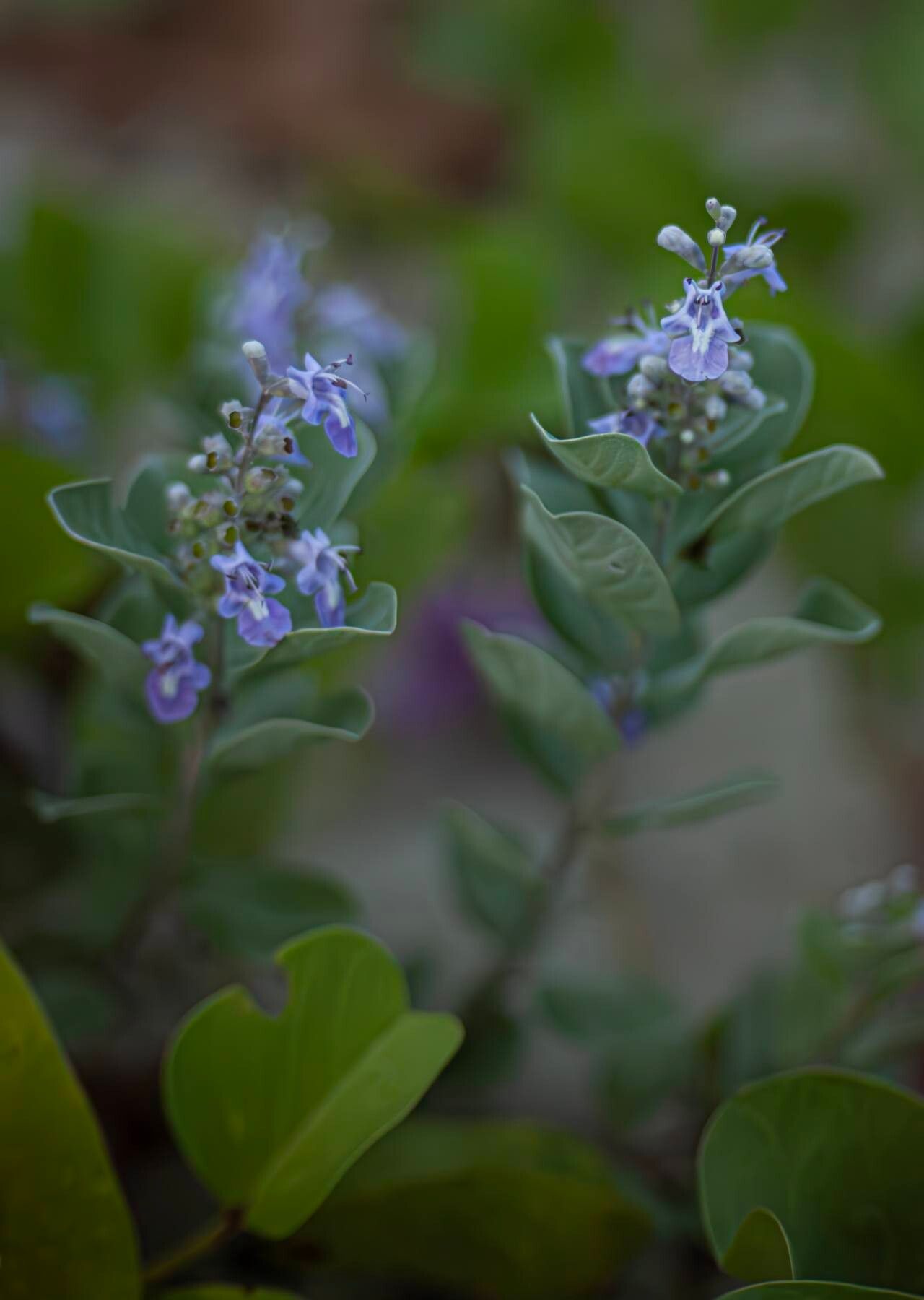
Oh, hello there! Grab a mug, why don’t you? We’re going to talk about one of my absolute favorites: Vitex trifolia, or the Threeleaf Chaste Tree. Have you seen its lovely silver-green foliage and delicate, fragrant blue flower spikes? It’s just stunning, and honestly, propagating it is a super satisfying way to get more of that beauty for your garden or to share with friends. Believe it or not, it’s actually quite a beginner-friendly plant to try your hand at propagating, which is wonderful news!
The Best Time to Start
For the highest success rate, I always recommend working with softwood cuttings. This means taking cuttings from new, flexible growth that’s just starting to harden off. The ideal time for this is usually in late spring to early summer, after the initial flush of growth but before it gets too woody. Think of it as the plant’s energetic young phase – it’s got all the vigor needed to put out roots!
Supplies You’ll Need
Before we get our hands dirty, let’s gather our tools. It’s always good to be prepared!
- Sharp Pruning Shears or a Clean Craft Knife: For making clean cuts.
- Potting Mix: A well-draining mix is key. I like to use a blend of peat moss, perlite, and a bit of coarse sand. You can buy pre-made cactus or succulent mixes too, as they tend to drain well.
- Small Pots or Propagation Trays: With drainage holes, of course!
- Rooting Hormone (Optional but Recommended): This gives your cuttings an extra boost. Look for one with IBA (Indole-3-butyric acid).
- Clear Plastic Bags or Domes: To create a humid environment to keep those cuttings from drying out.
- Water: For misting and keeping things hydrated.
- Labels: To keep track of what you’ve planted and when!
Propagation Methods
Let’s dive into how we can create new Vitex trifolia plants. I find stem cuttings to be the most reliable method.
1. Taking Stem Cuttings:
- First, identify some healthy, vigorous stems from your established plant.
- Using your sharp shears or knife, take cuttings that are about 4-6 inches long. Make your cut just below a leaf node (where a leaf attaches to the stem).
- Gently remove the lower leaves. You want to leave just a couple of leaves at the top. If the remaining leaves are very large, you can even cut them in half to reduce water loss.
- Dip the cut end into your rooting hormone, if you’re using it. Tap off any excess.
- Now, create a hole in your potting mix with a pencil or your finger. This prevents you from rubbing off the rooting hormone.
- Insert the cutting into the hole, ensuring at least one leaf node is buried in the soil.
- Gently firm the soil around the cutting.
- Water thoroughly until water drains from the bottom of the pot.
- Place the pot inside a clear plastic bag or cover it with a propagation dome. Make sure the leaves aren’t touching the plastic if possible.
2. Water Propagation (A Simpler Option for Beginners):
- This method is similar to taking cuttings, but instead of soil, we’re using water.
- Take your 4-6 inch cuttings as described above, making sure to remove most of the lower leaves.
- Place the cuttings in a jar or vase of fresh water.
- Crucially, ensure that no leaves are submerged in the water. This is a common pitfall that leads to rot.
- Place the jar in a bright spot with indirect light.
- Change the water every few days to keep it fresh and prevent bacterial growth. You’ll start to see roots emerge in a few weeks.
The “Secret Sauce” (Pro Tips)
Here are a couple of things I’ve learned over the years that can really make a difference:
- Bottom Heat: If you can, place your pots on a heated propagation mat. This gentle warmth from below encourages root development far better than just room temperature alone. It mimics the spring soil warmth that plants love.
- Humidity is Your Friend (But Not Too Much): While you want to keep those cuttings humid, don’t let condensation build up so much that it causes mold or rot. If you see excessive moisture on the inside of your plastic bag or dome, just open it up for an hour or so to let it air out before resealing.
Aftercare & Troubleshooting
Once your cuttings have developed a good set of roots – you’ll see them peeking out of the drainage holes or feel some resistance when you gently tug on them – it’s time for them to move into their own little homes!
- Carefully transplant your rooted cuttings into their own small pots filled with a good quality potting mix.
- Water them in well and then place them in a location with bright, indirect light.
- Gradually expose them to more direct sunlight as they establish.
- The most common problem you’ll encounter is rot. If a cutting looks mushy or black at the base, it’s likely rotted. This usually happens from too much moisture and not enough airflow, or if leaves are sitting in water. Don’t be discouraged if a few don’t make it; it’s all part of the learning process. Yellowing leaves can sometimes mean it’s just adapting, but if the whole cutting wilts and looks distressed, it might not be happy.
Happy Gardening!
Propagating Vitex trifolia is such a rewarding little project. It takes a little patience, but seeing those tiny roots emerge and eventually grow into a new plant is truly special. Enjoy the process, observe your cuttings, and don’t be afraid to experiment a little. Happy gardening, my friend!
Resource:
https://identify.plantnet.org/k-world-flora/species/Vitex%20trifolia%20L./data