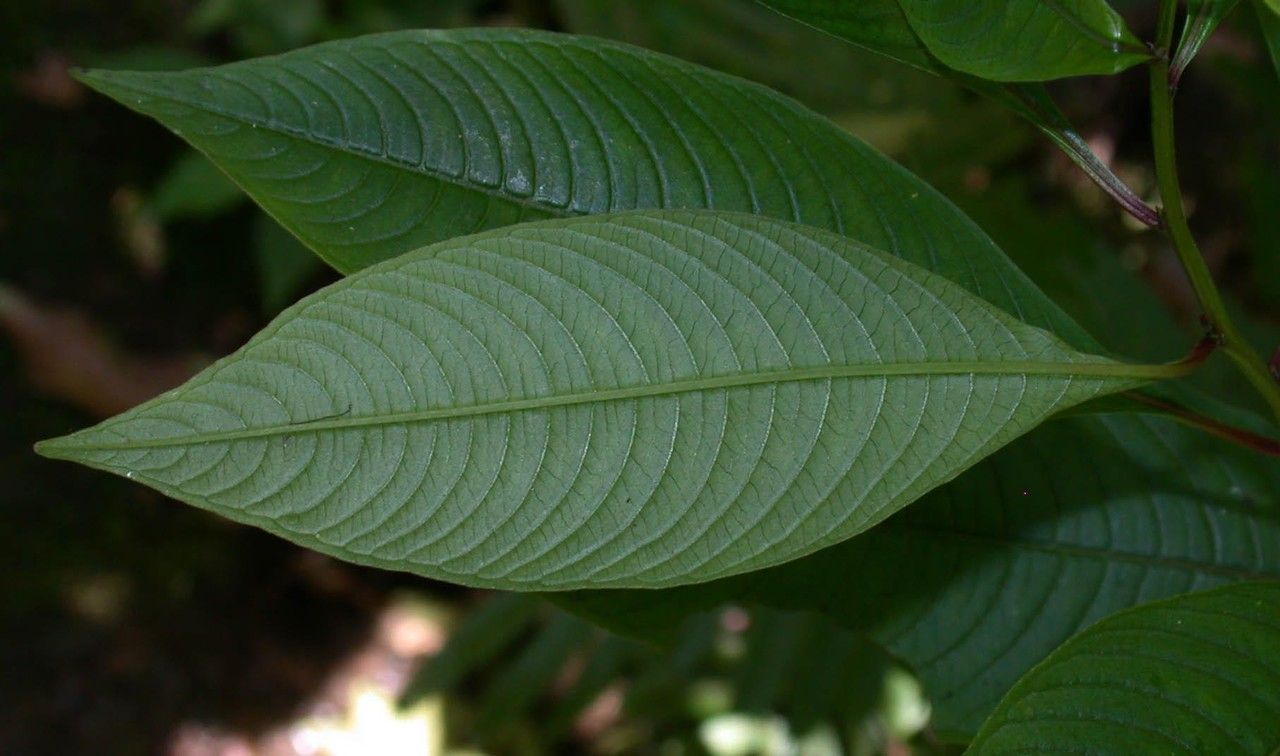
Oh, hello there! Come on in, pull up a chair. Let’s chat about Ludwigia latifolia. If you’ve ever admired those lush, leafy stems adding a vibrant splash of color to an aquatic display or a damp garden corner, you’re in for a treat. This beauty, with its pleasing foliage and understated charm, is a joy to grow. And the best part? Learning to propagate it yourself is wonderfully satisfying. I’ve found Ludwigia latifolia to be quite forgiving, making it a fantastic choice for those dipping their toes into the world of plant propagation.
The Best Time to Start
For the most vigorous growth and best rooting success, I always reach for my secateurs in late spring or early summer. This is when the plants are actively growing, sending out fresh, healthy stems that are bursting with life. You can certainly propagate them at other times, but you’ll likely find these warmer months give you the quickest and most reliable results. Look for stems that are sturdy but not yet woody, with developing leaf nodes.
Supplies You’ll Need
Gathering your tools beforehand makes the whole process smoother. Here’s what I usually have on hand:
- Sharp pruning shears or scissors: Clean cuts are key to preventing disease.
- Rooting hormone (optional but helpful): A gentle dip can give your cuttings a real boost.
- Small pots or containers: Whatever you have – old yogurt cups with drainage holes work just fine!
- Well-draining potting mix: For terrestrial propagation, I like a mix of peat moss, perlite, and a little bit of compost. If you’re going aquatic, you’ll just use your aquarium substrate.
- Water: Fresh, clean water is essential.
- Patience: This is the most crucial ingredient!
Propagation Methods
Ludwigia latifolia is quite adaptable, and you’ve got a couple of excellent ways to create new plants.
Stem Cuttings (Terrestrial or Aquatic)
This is my go-to method. It’s straightforward and very effective.
- Take your cuttings: Using your clean shears, snip off healthy stems that are about 4-6 inches long. Make your cuts just below a leaf node (where a leaf emerges from the stem).
- Prepare the cuttings: Gently remove the leaves from the bottom 2 inches of the stem. This prevents them from rotting when submerged or planted.
- Apply rooting hormone (if using): Dip the cut end of the stem into your rooting hormone powder, tapping off any excess.
- Planting:
- Terrestrial: Fill your small pots with your moist potting mix. Make a small hole in the center and insert the prepared cutting. Gently firm the soil around the stem.
- Aquatic: Simply place the prepared cuttings directly into your aquarium substrate, making sure the nodes are buried.
- Watering:
- Terrestrial: Water your cuttings gently, ensuring the soil is moist but not waterlogged. You can cover the pot with a plastic bag to create a mini-greenhouse effect, which helps maintain humidity.
- Aquatic: Ensure the water level is high enough to keep the lower nodes submerged.
Water Propagation
This is a particularly fun and visual method, especially if you love watching the roots develop.
- Prepare your cuttings: Follow steps 1 and 2 above, preparing stems about 4-6 inches long and removing lower leaves.
- Place in water: Find a clean glass or jar and fill it with fresh water. Place your cuttings into the water, making sure no leaves are submerged. This is really important to prevent rot. The leaf nodes should be below the waterline.
- Placement: Put the jar in a bright spot, but out of direct, harsh sunlight.
- Change water regularly: Change the water every few days to keep it fresh and oxygenated.
The “Secret Sauce” (Pro Tips)
Over the years, I’ve picked up a few little tricks that make all the difference.
- Don’t crowd your cuttings: Whether in pots or water, give each stem a little space. This improves air circulation and reduces the risk of fungal infections. Stems need room to breathe!
- Bottom heat is your friend (for terrestrial cuttings): If you’re propagating in pots, popping them on a heated propagator mat can significantly speed up root formation. It mimics the warmth of the soil in summer and really encourages those roots to get going.
- Observe and adapt: Every plant and every environment is a little different. Keep an eye on your cuttings. If the soil in the pots looks dry, water it. If the water in the jar looks cloudy, change it. You’ll learn to read what your plants need.
Aftercare & Troubleshooting
Once you start seeing new leaf growth or a good root system, your new Ludwigia is on its way!
- Terrestrial: Once the roots are well-established and you see healthy new growth, you can gradually acclimate your plant to less humid conditions. You can then transplant them into slightly larger pots or their permanent home. Continue to keep the soil consistently moist.
- Aquatic: Your rooted cuttings can be planted directly into your aquarium substrate or floated in the tank.
- Common Issues: The biggest culprit for failure with cuttings is rot. If you notice a stem turning mushy and black, it’s usually due to too much moisture without enough air circulation, or the leaves touching the water. Unfortunately, a rotting cutting is usually a lost cause. If your cuttings shrivel and look dried out, they might not be getting enough consistent moisture or humidity.
A Encouraging Closing
So there you have it! Propagating Ludwigia latifolia is a delightful endeavor. Don’t be discouraged if your first few attempts aren’t perfect. Gardening is all about learning and experimenting. Enjoy the process, celebrate each new sprout, and soon you’ll have a whole collection of these lovely plants to share or enjoy yourself. Happy propagating!
Resource:
https://identify.plantnet.org/k-world-flora/species/Ludwigia%20latifolia%20(Benth.)%20H.Hara/data