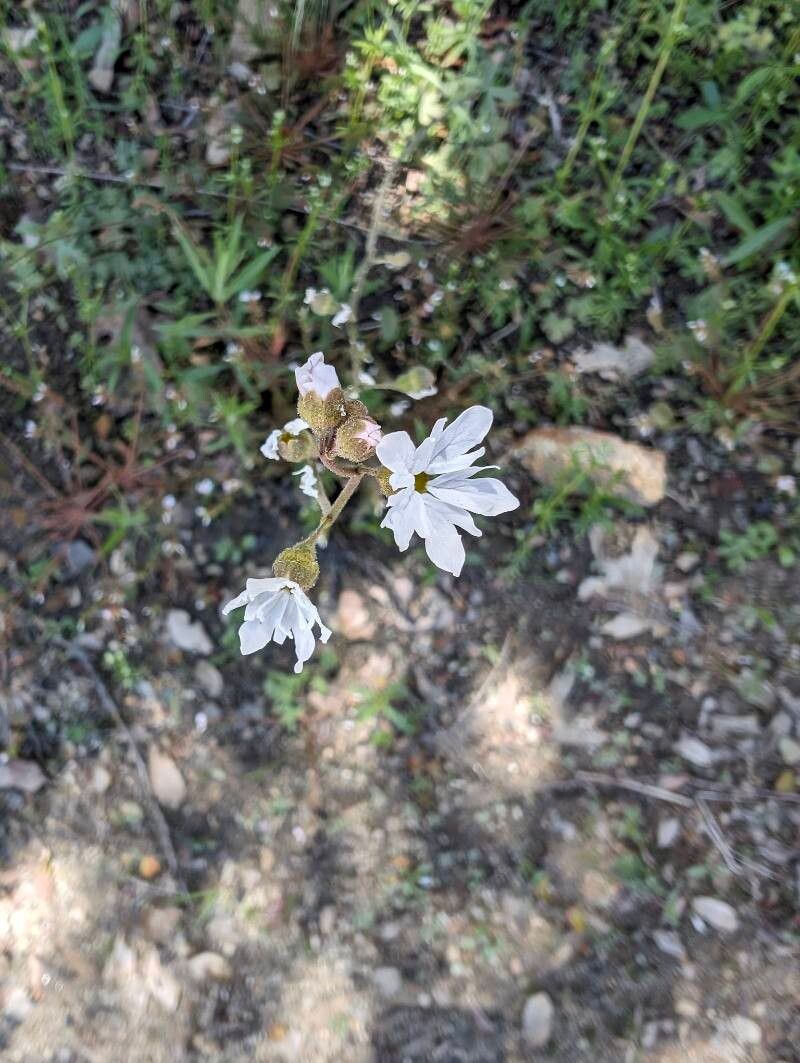
Hello there, fellow plant lovers! I’m so excited to chat with you today about a truly delightful woodland gem: Lithophragma affine, often called Woodland Star. If you haven’t met this beauty yet, imagine delicate, star-shaped white flowers gracing your garden in spring, often with delightful pinkish centers. They dance on slender stems, bringing a touch of ephemeral magic to shady nooks.
Propagating Lithophragma affine is such a wonderfully rewarding endeavor. There’s a special kind of joy in watching a tiny piece of a plant transform into a vibrant new life. Now, I’ll be honest, it’s not always a walk in the park, but with a little care and understanding, you can definitely be successful, even if you’re just starting your propagation journey.
The Best Time to Start
My experience tells me that the prime time for propagating Lithophragma affine is late spring or early summer, right after the plant has finished its spectacular blooming display. The energy reserves are high, and the plant is actively growing, which bodes well for rooting. You’re essentially catching it at its most vigorous point.
Supplies You’ll Need
Gathering your supplies beforehand makes the whole process much smoother. Here’s what I typically reach for:
- Sharp, clean pruning shears or a very sharp knife: For taking precise cuttings.
- Rooting hormone powder or gel: This isn’t strictly essential for Lithophragma affine, but it can certainly give your cuttings a helpful boost.
- A well-draining potting mix: I like a blend of equal parts peat moss or coco coir, perlite, and a small amount of compost. This ensures good aeration and prevents soggy roots.
- Small pots or trays: Clean, with drainage holes!
- A spray bottle: For keeping moisture levels consistent.
- Plastic bags or a propagation dome: To create a humid environment.
- Labels: So you don’t forget what you’ve planted!
Propagation Methods
For Lithophragma affine, I find division and stem cuttings to be the most reliable methods.
Division (My Go-To for Established Plants)
This is probably the easiest way to propagate Woodland Stars, especially if you already have a mature plant.
- Gently unearth your plant. Do this when the soil is slightly moist, not bone dry or soaking wet. Loosen the soil around the edges with your trowel and carefully lift the entire clump.
- Inspect the roots. You’re looking for natural breaks where the plant divides into several sections, each with its own set of roots and at least one growing point (a little bud or stem).
- Separate the divisions. You can often gently pull these apart with your hands. If they’re a bit stubborn, use a clean trowel or your fingers to tease them apart. Avoid using a knife unless absolutely necessary, as you want to minimize damage.
- Replant immediately. Plant each division into its new home, ensuring the top of the root ball is level with the soil surface. Water them in well.
Stem Cuttings (A Bit More Patience Required)
This method involves taking cuttings from the parent plant to grow into new individuals.
- Choose healthy stems. Select non-flowering stems that are about 3-4 inches long. Look for stems that are firm but not woody.
- Make the cut. Using your clean shears or knife, make a clean cut just below a leaf node (where a leaf attaches to the stem).
- Prepare the cutting. Carefully remove the lower leaves, leaving only a few at the top. This prevents them from rotting in the soil.
- Apply rooting hormone (optional but recommended). Dip the cut end into rooting hormone powder or gel, tapping off any excess.
- Plant the cuttings. Moisten your potting mix in your small pots. Make a small hole with a pencil or your finger and insert the cutting, ensuring the bottom leaf nodes are below the soil surface. Gently firm the soil around the stem.
- Create humidity. Water the soil lightly and then cover the pot with a plastic bag or place it under a propagation dome. This keeps the humidity high, which is crucial for cuttings to root.
The “Secret Sauce” (Pro Tips)
Over the years, I’ve learned a few little tricks that make a big difference.
- Don’t overwater the cuttings! This is probably the biggest pitfall. They need moisture, yes, but soggy soil is a fast track to rot. Let the surface of the soil dry out slightly between waterings. A light misting with your spray bottle can often do the trick for maintaining humidity if you’ve got them under cover.
- Bottom heat is your friend (for cuttings). If you’re serious about propagation, a seedling heat mat can dramatically speed up root development for stem cuttings. It provides gentle warmth that encourages the plant to invest energy in roots. Just place your pots on top of it.
- Be patient with divisions. While division is generally quick, sometimes a division might take a little longer to really establish. Don’t panic if it doesn’t surge with growth immediately. It’s still chugging along happily underground.
Aftercare & Troubleshooting
Once your divisions are planted, treat them like any other newly planted perennial – keep them consistently moist (but not waterlogged) and provide them with the shade they’ll appreciate.
For your stem cuttings, the goal is to encourage root formation. Keep them in a bright spot, but avoid direct, harsh sunlight, which can scorch the delicate leaves. Once you start to see new leaf growth, that’s a good sign that roots have formed. You can gently tug on a cutting; if there’s resistance, it’s rooted!
The most common problem you might encounter is rot. This usually happens due to overwatering or poor drainage. If you see your cuttings wilting, turning black and mushy at the base, or if your divisions look unhealthy, it’s likely rot. Sadly, there’s not much you can do once rot sets in. Prevention is key!
A Encouraging Closing
Propagating Lithophragma affine is a journey, and like all good gardening endeavors, it requires a touch of patience and a whole lot of hope. Don’t be discouraged if your first attempt isn’t perfect. Each time you try, you’ll learn something new. Enjoy the process, revel in the anticipation, and celebrate those first tiny leaves and sturdy roots. Happy propagating!
Resource:
https://identify.plantnet.org/k-world-flora/species/Lithophragma%20affine%20A.Gray/data