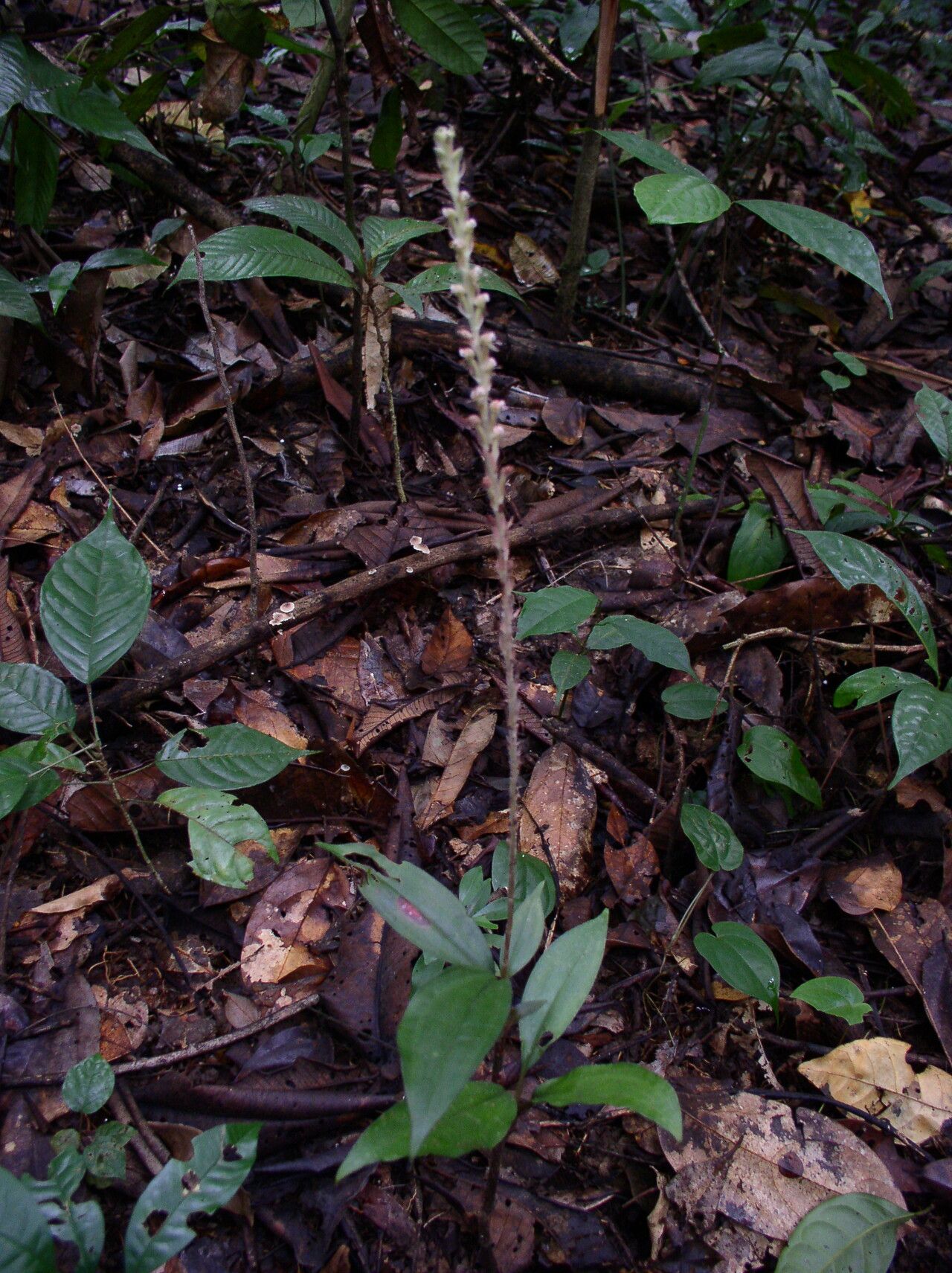
Oh, Hetaeria mannii! If you’ve ever seen this lovely little jewel orchid, you know exactly why I’m so excited to talk about it today. Its velvety, dark green leaves with those striking silver veins are just divine. They bring such a touch of understated elegance to any shady corner. And the incredibly rewarding part? Watching a tiny piece of your existing plant transform into a whole new specimen. It’s like magic, but it’s actually horticulture! Now, as for beginner-friendliness, I’d say Hetaeria mannii is generally more of a moderately easy plant to propagate. It’s not as finicky as some orchids, but it does appreciate a bit of tender loving care and a keen eye.
The Best Time to Start
For Hetaeria mannii, the sweet spot for propagation is definitely spring and early summer. This is when the plant is actively growing and has the most energy to put into developing new roots. You’ll want to work with a healthy, vigorous mature plant, one that’s showing plenty of new leaf growth. Don’t try to take cuttings from a stressed or ailing plant – it’s just asking for disappointment!
Supplies You’ll Need
Here’s what I always have on hand when I’m about to get my hands dirty with Hetaeria propagation:
- Sterile Pruning Shears or a Sharp Knife: Clean cuts are crucial to prevent disease.
- Potting Mix: A well-draining mix is absolutely essential. I usually use a blend of orchid bark, perlite, and a little bit of peat moss or coco coir. You want it to hold some moisture but not get soggy.
- Small Pots or Trays: Clean containers with drainage holes, of course.
- Rooting Hormone (Optional but Recommended): A powder or gel can give your cuttings a nice boost.
- Clear Plastic Bags or a Propagator: To create a humid microclimate.
- Plant Mister: For gentle watering.
- Labels: To keep track of what you’ve propagated and when!
Propagation Methods
Hetaeria mannii is most commonly and successfully propagated through division. Sometimes, you can also get lucky with stem cuttings, though it’s a bit less reliable for this particular plant.
Division
This is my go-to method for Hetaeria mannii. It’s straightforward and usually gives you the best results.
- Gently Remove from Pot: Carefully take your mature Hetaeria mannii out of its current pot.
- Inspect the Roots: Gently brush away some of the old soil to get a good look at the root system and rhizomes. You’re looking for distinct sections of the plant that have their own roots and at least one or two healthy shoots.
- Separate the Divisions: With clean pruning shears or a sharp knife, carefully cut the rhizome to separate the divisions. Make sure each section has a good amount of roots attached. If a division has very few roots, don’t fret too much; it can still grow, but it might take a little longer.
- Pot Up: Plant each division in its own small pot filled with your well-draining potting mix. Bury the rhizome just slightly beneath the surface of the soil.
- Water Lightly: Give the newly potted divisions a gentle watering. You want the soil to be moist but not waterlogged.
Stem Cuttings (Less Common, More Experimental)
While division is better, some folks have success with stem cuttings.
- Select a Healthy Stem: Look for a piece of stem that has at least two or three healthy leaves and ideally a small section of rhizome attached.
- Make a Clean Cut: Use your sterile shears to cut the stem.
- Apply Rooting Hormone (Optional): Dip the cut end into rooting hormone powder or gel.
- Plant in Medium: Insert the cutting into your prepared potting mix, just deep enough so it’s stable.
- Create Humidity: Cover the pot with a clear plastic bag or place it in a propagator to maintain high humidity.
The “Secret Sauce” (Pro Tips)
These are the little things I’ve learned over the years that can make a big difference.
- Don’t Over-Water: This is probably the single biggest mistake people make. Hetaeria, like many orchids, absolutely loathes sitting in water. If you’re propagating by division, water just enough to settle the soil, then let it dry out slightly before watering again. For cuttings, keep the humidity high, but avoid a perpetually soggy medium.
- Bottom Heat is Your Friend: If you’re trying stem cuttings, or if your divisions are taking their sweet time, popping them on a seedling heat mat set to a gentle warmth (around 70-75°F or 21-24°C) can really encourage root development. Don’t get it too hot, though!
- Patience with Division Roots: Even strong divisions might look a bit sad for a week or two. Give them time; they’re adjusting. As long as the leaves remain green and firm, they’re working on it.
Aftercare & Troubleshooting
Once your Hetaeria mannii cuttings or divisions start showing signs of new growth, like tiny roots emerging from the bottom of the pot or a new leaf unfurling, you’re on your way!
Continue to keep the potting mix lightly moist. You can gradually reduce the humidity over a couple of weeks by opening up the plastic bag or propagator a little more each day. Once they look established—meaning they’re actively growing and firm—you can treat them much like your mature plant, with bright, indirect light and consistent moisture.
The most common sign of trouble is rot. If your cutting or division starts to look mushy or develops dark, soft spots, it’s likely succumbed to fungal or bacterial rot, usually from being kept too wet. Unfortunately, there’s not much you can do once rot sets in, so prevention is key! Ensure excellent drainage and avoid overwatering. Yellowing leaves, but with firm stems, might just indicate the plant is using its reserves to grow new roots. Keep an eye on the overall health.
A Little Encouragement
There you have it! Propagating Hetaeria mannii is a fulfilling journey, a beautiful way to multiply those stunning foliage treasures you love. Remember to be patient with your new little plants. They’ll show you when they’re ready. Enjoy the process, embrace the learning, and soon you’ll have a whole collection of these elegant beauties to admire! Happy propagating!
Resource: