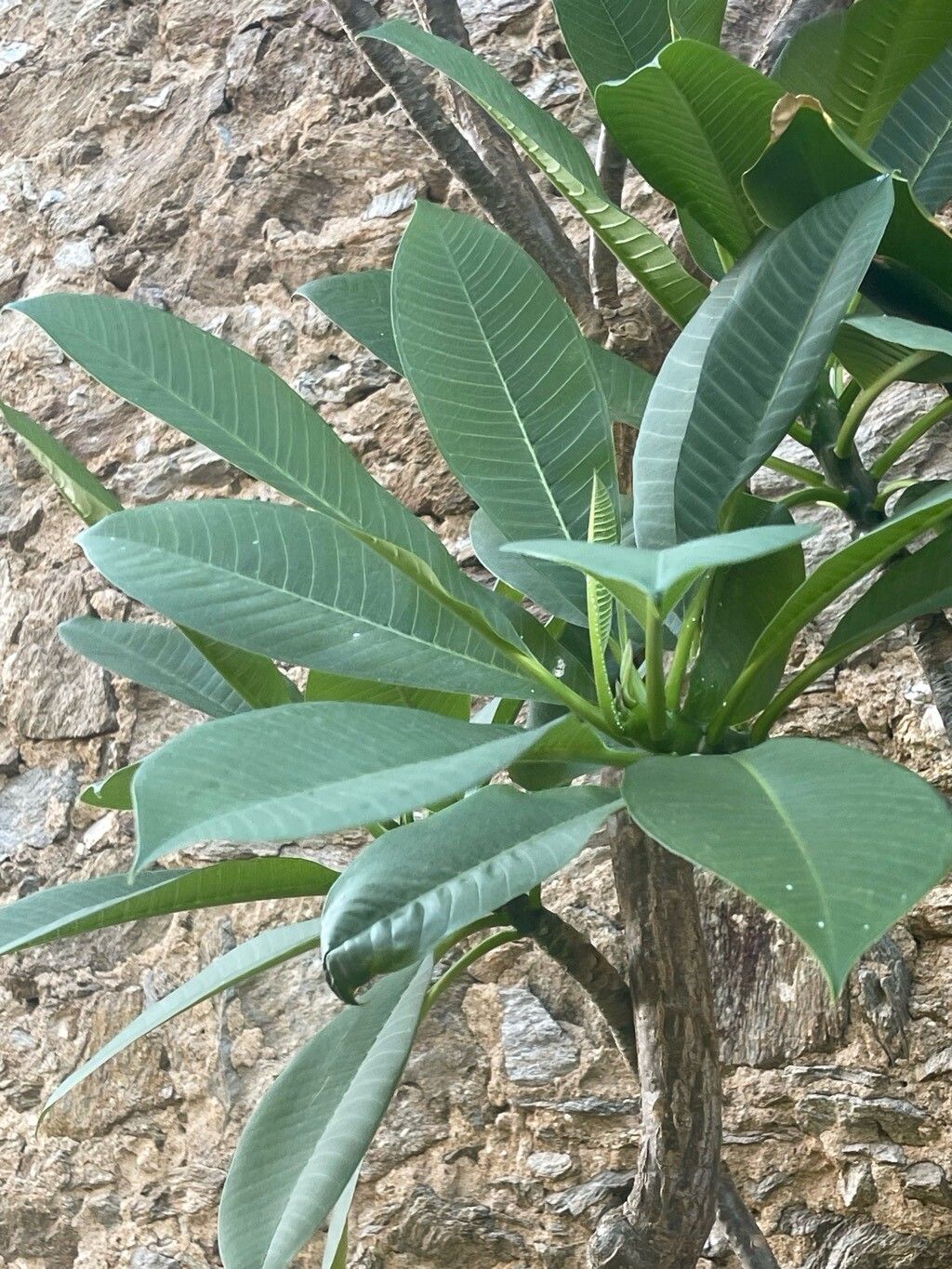
Oh, Plumeria! Just thinking about these beauties brings a smile to my face. Their intoxicating fragrance and vibrant, tropical blooms are simply captivating. And the best part? They’re surprisingly rewarding to propagate. If you’ve ever admired a neighbor’s flourishing Frangipani and thought, “I wish I had one of those,” you’ll be delighted to know you can grow your very own. For beginners, propagating Plumeria is pretty darn achievable. It’s less about trickery and more about understanding their simple needs.
The Best Time to Start
When it comes to Plumeria, spring and early summer are your golden ticket. This is when the plant is actively growing, full of energy, and ready to put down roots. You’ll see plump, healthy stems that are ideal for taking cuttings. Waiting until the plant wakes up from dormancy means you’re starting with a vigorous specimen, which always increases your chances of success.
Supplies You’ll Need
Gathering the right tools makes all the difference. Here’s what I usually have on hand:
- Clean, sharp pruning shears or a knife: For making clean cuts.
- Rooting hormone powder (optional but recommended): Helps encourage root development.
- Well-draining potting mix: A cactus or succulent mix is perfect, or you can create your own by mixing equal parts potting soil, perlite, and coarse sand.
- For water propagation: A clean jar or vase.
- A small pot or container: For planting your cuttings.
- A saucer or tray: To catch excess water.
- Optional: A heat mat: Plumeria love a little warmth from below.
Propagation Methods
Let’s get our hands dirty! Here are a couple of tried-and-true ways to multiply your Plumeria collection.
Stem Cuttings (The Most Common Way!)
This is my go-to method for Plumeria.
- Choose Your Stem: Look for a healthy, mature stem that’s at least 6-12 inches long. It should have a few leaf nodes (where leaves emerge) and ideally, still have some leaves on it. Avoid very thin, spindly stems or old, woody ones.
- Make the Cut: Using your clean pruning shears or knife, make a clean, angled cut just below a leaf node. This is where roots will eventually form.
- Let it “Wound Seal”: This is crucial! Remove any lower leaves. Place the cutting in a cool, dry, shaded spot for 2-7 days. You want the cut end to develop a callus, almost like a little scab. This prevents rot when you plant it.
- Apply Rooting Hormone (Optional): Dip the callused end of the cutting into rooting hormone powder. Tap off any excess.
- Plant Your Cutting: Fill your small pot with your well-draining potting mix. Make a hole in the center and insert the callused end of the cutting about 2-3 inches deep. Gently firm the soil around it.
- Water Lightly: Water just enough to moisten the soil. You don’t want it soggy.
- Give it Warmth and Light: Place the pot in a bright spot but out of direct, harsh sunlight. If you have a heat mat, place the pot on it. This little bit of bottom warmth makes a huge difference.
Water Propagation (A Visual Treat!)
This method lets you watch the magic happen!
- Prepare Your Cutting: Follow steps 1 and 2 from the stem cutting method. You don’t need to let it callus for weeks, but a day or two won’t hurt.
- Place in Water: Fill a clean jar or vase with clean water. Place the cutting in the water, ensuring that no leaves are submerged. The leaf nodes should be just above the water level.
- Find the Right Spot: Place the jar in a location with bright, indirect light.
- Change the Water Regularly: Every few days, change the water to keep it fresh. This is important to prevent bacterial growth.
The “Secret Sauce” (Pro Tips)
Here are a few things I’ve learned over the years that really help boost your success:
- Don’t Overwater: This is the most common mistake. Plumeria cuttings are prone to rot if the soil stays too wet, especially before roots form. Let the soil dry out slightly between waterings.
- Bottom Heat is Your Friend: Plumeria are tropical plants. A little warmth from below, especially in cooler spring weather, really encourages those roots to kick into gear. A heat mat is a fantastic investment if you plan to propagate a lot.
- Patience is Key: It can take anywhere from a few weeks to a few months for Plumeria cuttings to develop significant roots. Resist the urge to constantly pull them out to check!
Aftercare & Troubleshooting
Once you see signs of roots – pulling upward on the cutting, new leaf growth – you’re on your way!
- For Soil Propagation: Continue watering sparingly, allowing the soil to dry out between waterings. As the plant establishes, you can gradually increase watering frequency. Once it looks robust, you can repot it into a slightly larger pot if needed.
- For Water Propagation: Once you see substantial root growth (about 1-2 inches long), you can transplant the cutting into a pot with well-draining soil. Follow the soil propagation steps from here.
The main enemy here is rot. If your cutting turns black, mushy, and smells bad, it’s likely rotted. This usually happens from too much moisture and lack of callusing. Don’t despair! Just toss the rotted bit and try again with a new cutting, paying close attention to the callusing and watering steps. Sometimes, a cutting might just shrivel up and fail to sprout. That’s part of gardening!
A Encouraging Closing
Propagating Plumeria is a journey, and each cutting is a little adventure. Be patient with yourself and the process. Watch for those tiny signs of life, and celebrate each new root and leaf. Soon, you’ll have your own fragrant, tropical blooms to enjoy. Happy growing!
Resource:
https://identify.plantnet.org/k-world-flora/species/Plumeria%20rubra%20L./data