Hello there, fellow plant enthusiasts!
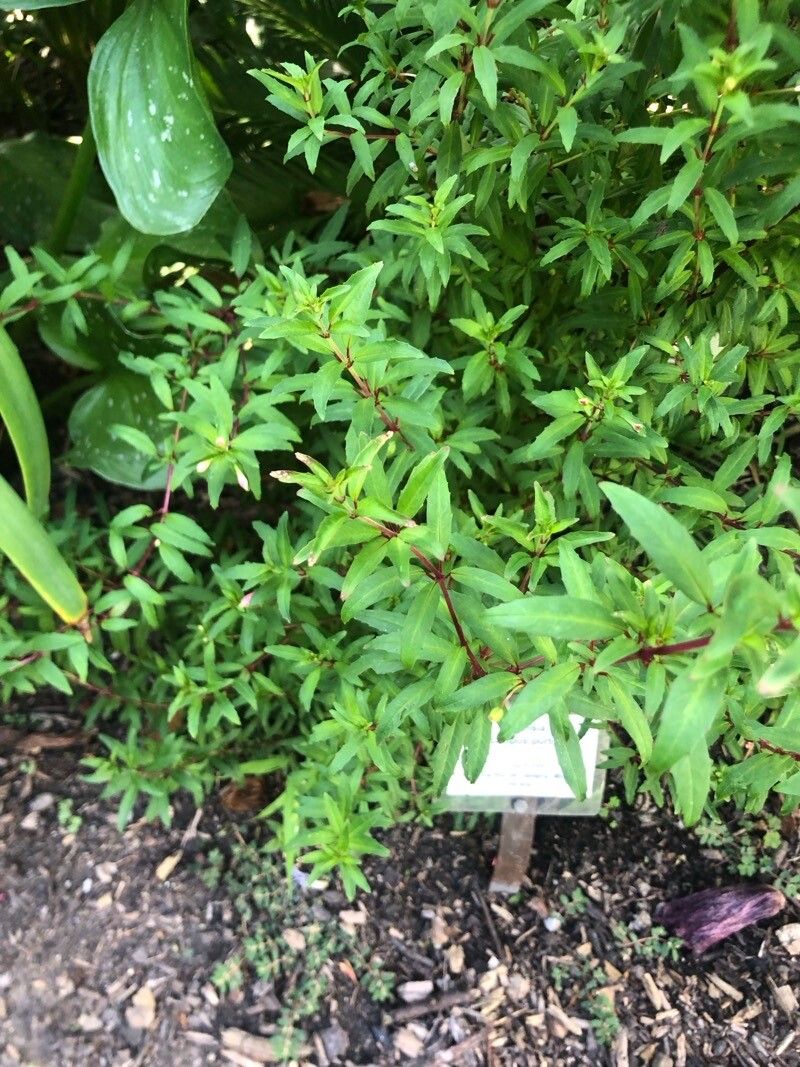
There’s something truly magical about watching a tiny cutting transform into a thriving plant, and Fuchsia campos-portoi offers a particularly beautiful reward. Its delicate, bell-shaped flowers and cascading habit make it a showstopper, and the joy of creating new ones from your existing plants is quite something. Now, I know some of you might be wondering about the difficulty level. For those just starting out, Fuchsia campos-portoi can be a little bit fussy, but with a few key tricks up our sleeves, we can absolutely make it work. Don’t let that discourage you – this guide is designed to walk you through it all.
The Best Time to Start
When it comes to timing, spring is your best bet for propagating Fuchsia campos-portoi. Think of it as starting when your established plants are really hitting their stride, pushing out fresh, healthy growth. The longer days and warmer temperatures give those new cuttings the energy they need to root and establish themselves. You can also have success with cuttings taken in early summer, but spring generally offers higher success rates.
Supplies You’ll Need
Here’s what you’ll want to have ready before you begin:
- Sharp pruning shears or a clean knife: For taking your cuttings. Sterilize them with rubbing alcohol to prevent disease!
- Rooting hormone powder or gel: This really boosts your chances of success.
- A well-draining potting mix: I like to use a mix of equal parts perlite and peat moss, or a commercial seed-starting mix. Some gardeners also swear by a mix with some coco coir.
- Small pots or trays: About 3-4 inches wide is usually perfect for cuttings. Make sure they have drainage holes.
- A plastic bag or a clear lid: To create a humid environment for your cuttings.
- Watering can with a fine rose or a spray bottle: For gentle watering.
- Optional: Bottom heat mat: This can significantly speed up rooting.
Propagation Methods: Stem Cuttings
This is, by far, the most common and effective way to propagate Fuchsia campos-portoi.
- Take Your Cuttings: Select a healthy, non-flowering stem from your parent plant. Look for a stem that has new growth but is also slightly firm, not wispy and soft. Cut a piece about 4-6 inches long. Make your cut just below a leaf node (where a leaf attaches to the stem).
- Prepare the Cuttings: Gently remove the lower leaves, leaving just a couple of leaves at the top. This prevents them from rotting in the soil. If the remaining leaves are very large, you can even cut them in half to reduce water loss.
- Apply Rooting Hormone: Dip the cut end of each stem into your rooting hormone powder or gel. Tap off any excess.
- Pot Them Up: Fill your small pots or trays with your chosen potting mix and moisten it thoroughly. Make a small hole in the center of each pot with your finger or a pencil.
- Insert the Cuttings: Gently push the rooted end of each cutting into the hole, ensuring the leaf nodes are buried. Firm the soil gently around the stem to ensure good contact.
- Create Humidity: Water the soil lightly. Then, cover the pot with a plastic bag or place it in a tray with a clear lid. This creates a mini-greenhouse effect. You can use stakes to keep the bag from touching the leaves.
- Placement: Place your pots in a bright location but out of direct sunlight. If you’re using a bottom heat mat, set it to a temperature of around 70-75°F (21-24°C).
The “Secret Sauce” (Pro Tips)
Here are a couple of things I’ve learned over the years that make a big difference:
- Don’t be afraid to take cuttings from the right kind of growth. New, soft growth is too fragile, and old, woody growth is too slow to root. Aim for that happy medium of semi-hardwood.
- Keep those leaves dry. If you’re doing water propagation (which isn’t ideal for Fuchsia campos-portoi but can work for some), make sure absolutely none of the leaves are submerged. They’ll rot and take your cutting with them. For soil cuttings, as mentioned, remove lower leaves.
- Bottom heat is your friend. Seriously, if you can invest in a small heat mat, it makes a world of difference in speeding up root development for finicky plants like fuchsias. It mimics that warm soil feeling they crave.
Aftercare & Troubleshooting
Once your cuttings are potted up, the real waiting game begins. Keep the soil consistently moist but not waterlogged. Mist the foliage occasionally if the humidity inside your covering seems to be dropping.
You should start to see signs of new growth – tiny leaves unfurling at the top – within 2-4 weeks. The real confirmation, though, is when your cuttings are firmly rooted. You can gently tug on a stem; if there’s resistance, you’ve got roots! You can also carefully peek into the drainage holes to see if you spot any white root tips.
Now, what if things go wrong? The most common issue is rot. If your cuttings are looking mushy, turning black, or smell funky, it’s usually a sign of too much moisture and poor air circulation. Discard any affected cuttings and ensure your remaining ones have good drainage and are not overly wet. If a cutting just seems to be doing nothing, don’t despair! Some plants are just slower starters. As long as it’s firm and green, there’s still hope.
A Little Patience Goes a Long Way
Propagating plants is a beautiful journey of patience and observation. Don’t be disheartened if your first few attempts aren’t perfect. Each try teaches you something new. Enjoy the process of nurturing these little beginnings, and soon you’ll have a whole new collection of these gorgeous Fuchsia campos-portoi to enjoy! Happy gardening!
Resource: