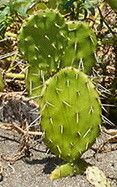
Hello, fellow plant lovers! It’s so wonderful to have you here on the blog today. We’re diving into the fascinating world of Opuntia guatemalensis, also known as the Guatemalan Prickly Pear. If you’ve ever admired its unique shape and the surprising resilience of these desert dwellers, you’re in for a treat. Propagating this beauty is a wonderfully rewarding venture, and I’m excited to share my experiences with you. For beginners? I’d say it’s pretty darn forgiving, which is always a good sign!
The Best Time to Start
When it comes to getting new Opuntia guatemalensis babies going, spring and early summer are your golden ticket. This is when the plant is actively growing and has the most energy reserves. You’ll find that cuttings taken during this time root much more vigorously and with less fuss. Waiting until the plant has enjoyed a good period of warmth and light is key.
Supplies You’ll Need
Before we get our hands dirty, let’s gather our tools. Having everything ready makes the process smooth and enjoyable.
- Sharp, clean pruning shears or a knife: For taking clean cuts.
- Rooting hormone (optional but helpful): I often use a powdered or liquid form.
- Well-draining potting mix: A cactus and succulent mix is perfect, or you can make your own with equal parts potting soil, perlite, and coarse sand.
- Terra cotta pots: They breathe well and help prevent waterlogging. Make sure they have drainage holes!
- Gloves (thick ones!): Those spines are no joke.
- Newspaper or cardboard: To safely handle the cactus pads.
Propagation Methods
There are a couple of ways to go about this, and both are quite effective. I tend to favor stem cuttings myself, but water propagation can be surprisingly fast.
Stem Cuttings (My Go-To!)
This is how I’ve had the most consistent success.
- Take a Cutting: Choose a healthy, mature pad or a segment of the stem. Using your sharp shears or knife, make a clean cut near the joint where it attaches to the parent plant. Try to select a pad that looks firm and plump, not soft or mushy.
- Let it Callus: This is CRUCIAL. Place the cutting in a dry, well-ventilated spot away from direct sunlight for at least 5-7 days, longer if your climate is humid. You want the cut end to dry out and form a protective callus. This prevents rot when you plant it.
- Plant Your Cutting: Once callused, you can dip the cut end in rooting hormone if you’re using it. Then, fill a pot with your well-draining soil mix. Make a small hole in the center and gently insert the callused end of the cutting, pushing it down a couple of inches. You want it to stand upright. Don’t bury it too deep; just enough to give it stability.
- Wait and Be Patient: For the first week or two, do not water it. Let it settle in and start the rooting process.
Water Propagation
This method can be thrilling because you can see the roots develop!
- Take and Callus Your Cutting: Follow steps 1 and 2 from the stem cutting method. Callusing is still important here to prevent the cut end from rotting in the water.
- Place in Water: Once callused, set the cutting in a clean jar or vase with just enough water to cover the cut end. Make sure the pad itself is not submerged in the water – only the very bottom.
- Change Water Regularly: Change the water every 2-3 days to keep it fresh and prevent bacterial growth.
- Watch for Roots: You should start to see tiny roots emerge from the cut end within a few weeks. Once the roots are about an inch long, you can carefully transplant it into well-draining soil following step 3 above.
The “Secret Sauce” (Pro Tips)
Here are a few things I’ve learned over the years that make a big difference.
- Gentle Handling is Key: When selecting and handling your cutting, use folded newspaper or a bit of cardboard to shield your hands from those sharp spines. It can feel a bit like performing surgery, but with a positive outcome!
- Humidity Hug: After planting a cutting in soil, I like to give it a little humidity boost for the first week or two. I’ll loosely cover the pot with a clear plastic bag or place it in a shallow tray with a bit of pebbles and water (making sure the plant itself isn’t sitting in water). This helps keep the cutting from drying out too quickly while it’s trying to establish roots.
- Don’t Forget the Bottom Heat: If you’re propagating in a cooler room, a gentle heating mat specifically designed for plants can dramatically speed up root formation. It encourages the roots to grow while the top stays comfortable.
Aftercare & Troubleshooting
Once you see those little roots starting to emerge, congratulations! You’re on your way.
- Watering: When you see new growth, it’s time to start watering regularly, but still sparingly. Allow the soil to dry out completely between waterings. Overwatering is the quickest way to kill a new cactus.
- Light: Give your new baby bright, indirect light. As it grows stronger, you can gradually introduce it to more direct sunlight, but be mindful of scorching it during the hottest part of the day.
- Signs of Trouble: The most common issue is rot. If your cutting turns mushy, black, or smells foul, it’s likely rotted. This usually happens if it wasn’t allowed to callus properly or if it’s kept too wet. If you catch it early, you might be able to cut off the rotted part and let the healthy section callus again. Another sign of stress is wilting or a shriveled appearance. This can sometimes indicate it’s too dry, but also check for root development.
A Little Patience Goes a Long Way
Propagating Opuntia guatemalensis is a process of observation and a little bit of faith. Don’t get discouraged if your first attempt doesn’t go perfectly. Each cutting is a tiny experiment, and with a little practice, you’ll be a pro in no time. Enjoy the journey, and soon you’ll have a whole new prickly pear family to admire! Happy gardening!
Resource: