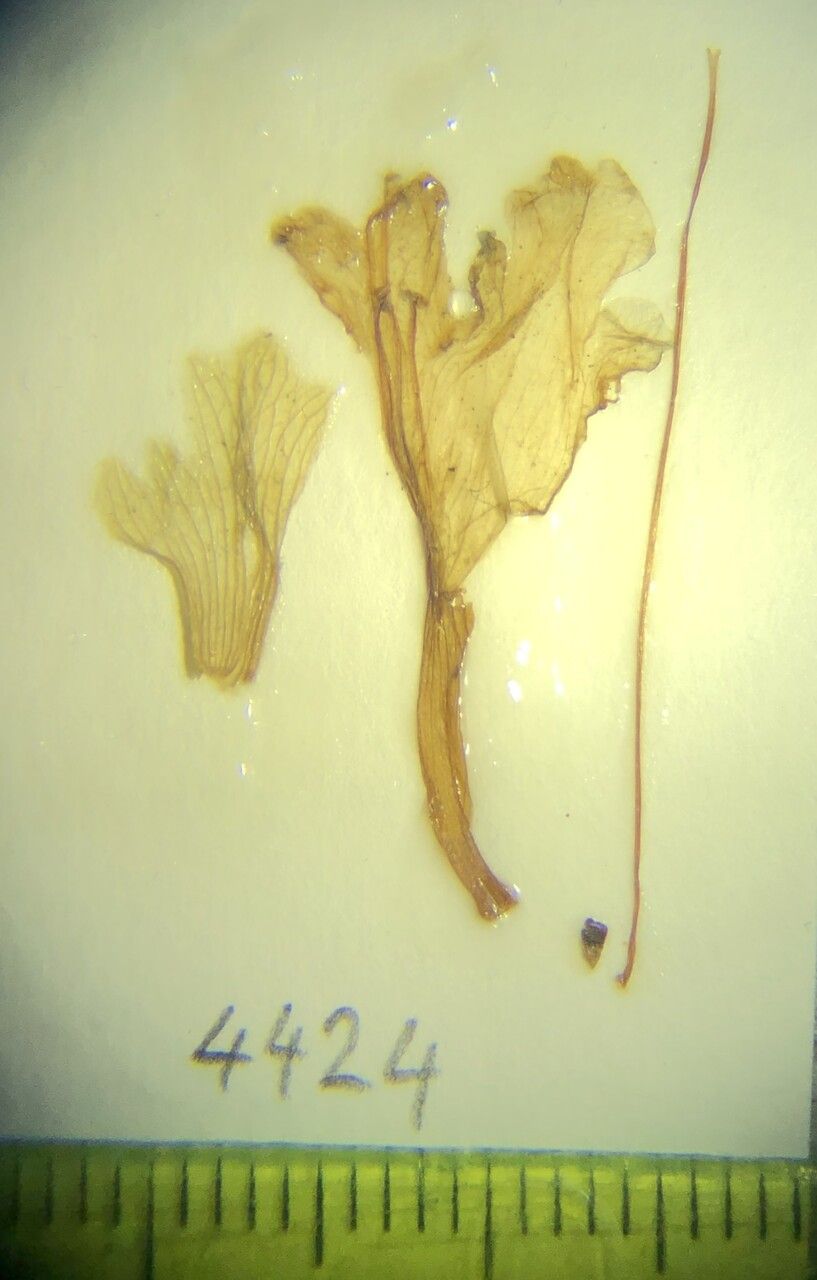
Hello fellow garden enthusiasts!
There’s something truly magical about coaxing new life from an existing plant. It’s like sharing a little bit of your garden’s bounty with the world, or perhaps just creating more of your favorite friends to enjoy. And when it comes to Nepeta persica, often called Persian Catmint, you’re in for a real treat. This beauty, with its fragrant, silvery foliage and delicate purple-blue flowers, is an absolute magnet for bees and butterflies. Plus, it’s remarkably drought-tolerant once established, making it a joy to grow. The best part? Propagating Nepeta persica is surprisingly straightforward, even for those who are just starting their plant parent journey!
The Best Time to Start
For the most success with your Nepeta persica cuttings, I always find late spring to early summer to be the sweet spot. This is when the plant is actively growing, producing plenty of fresh, healthy shoots that are eager to root. You’re looking for stems that are firm but still a bit pliable – not old and woody, but not flimsy and brand new either. Think of it as the “just right” stage.
Supplies You’ll Need
Gathering your tools beforehand makes the whole process much smoother. Here’s what I usually have on hand:
- Sharp Pruning Shears or a Clean Knife: For making clean cuts.
- Rooting Hormone (Optional but Recommended): A gentle dip can significantly boost your success rate.
- Small Pots or a Propagation Tray: Clean containers are key to preventing disease.
- Well-Draining Potting Mix: A standard seed-starting mix or a blend of half peat moss and half perlite works wonderfully.
- Watering Can or Spray Bottle: For gentle watering.
- Labels: To keep track of what you’ve planted!
Propagation Methods: Let’s Get Our Hands Dirty!
There are a couple of super reliable ways to multiply your Nepeta persica. I find stem cuttings to be my go-to, but here’s how I tackle that, along with a mention of division as another option.
Stem Cuttings
- Take Your Cuttings: Head out to your plant in late spring or early summer. Look for those healthy, non-flowering stems. Using your sharp shears, take cuttings that are about 4-6 inches long. Make your cut just below a leaf node (where a leaf attaches to the stem).
- Prepare the Cuttings: Gently remove the lower leaves from your cuttings, leaving just 2-3 sets of leaves at the top. This helps the plant conserve energy and focus on rooting.
- Apply Rooting Hormone (Optional): If you’re using rooting hormone, dip the cut end of each stem into the powder. Gently tap off any excess.
- Plant Your Cuttings: Fill your small pots or propagation tray with your well-draining potting mix. Make a small hole in the center of each pot with your finger or a pencil. Insert the cut end of each Nepeta persica cutting into the hole, ensuring the soil makes good contact with the stem. Firm the soil gently around the base.
- Water and Cover: Water the potting mix thoroughly but gently. You want it to be moist, not soggy. To create a mini-greenhouse effect, you can place a clear plastic bag over the pots or cover the tray with a dome. Make sure the bag doesn’t touch the leaves directly.
Division (For Established Plants)
If you have a more mature Nepeta persica clump, you can also propagate it by division.
- Dig Up the Plant: In early spring, before it starts vigorous growth, carefully dig up the entire plant.
- Divide the Roots: Gently tease apart the root ball into smaller sections. Each section should have a healthy root system and some leafy growth. You can use your hands or a clean trowel to help separate them.
- Replant: Replant the divided sections immediately into new locations or pots prepared with fresh soil. Water them well.
The “Secret Sauce”: My Insider Tips
Over the years, I’ve picked up a few little tricks that seem to give my Nepeta persica cuttings an extra edge.
- Bottom Heat is Your Friend: While not strictly necessary for Nepeta persica, placing your pots or tray on a heated propagation mat can really speed up root development. It gives those little root cells a warm boost to get going.
- Don’t Drown Them: This is crucial! Nepeta persica hates soggy feet. When watering, aim for consistent moisture, but never let the pots sit in standing water. A spray bottle is fantastic for keeping the soil surface just right for cuttings.
- Patience with the Purple: Sometimes, you might not see immediate signs of rooting. Don’t be tempted to pull them up to check! Give them at least 4-6 weeks before you gently tug to see if there’s any resistance. Resistance means roots!
Aftercare & Troubleshooting
Once you see those promising little roots peeking out from the drainage holes or feel that tell-tale tug when you gently pull, it’s time to transition your new Nepeta persica babies.
- Gradual Acclimation: If you covered your cuttings, start by removing the plastic bag for an hour or two each day to let them get used to the drier air. Eventually, remove it completely.
- Repotting: Once the roots are well-established and filling the pot, you can transplant them into slightly larger pots with regular potting mix.
- Watering Needs: Continue to water them consistently, allowing the top inch of soil to dry out between waterings.
- Signs of Trouble (and what to do): The main culprit for cuttings is rot. If you see stems turning mushy or black, it’s usually a sign of too much moisture or poor air circulation. Unfortunately, these are generally lost causes. To prevent this, ensure your soil drains well and don’t overwater! If leaves start to yellow and look sad, it could be under-watering or a lack of light – adjust accordingly.
A Little Bit of Hope
Propagating plants is a wonderful way to connect with nature and expand your garden. Don’t be discouraged if your first few attempts aren’t perfect. Every gardener has had their share of cuttings that didn’t make it. The key is to observe, learn, and keep trying. Enjoy the process, celebrate your successes, and before you know it, you’ll have a whole patch of fragrant, bee-friendly Nepeta persica to share! Happy gardening!
Resource:
https://identify.plantnet.org/k-world-flora/species/Nepeta%20pharica%20Prain/data