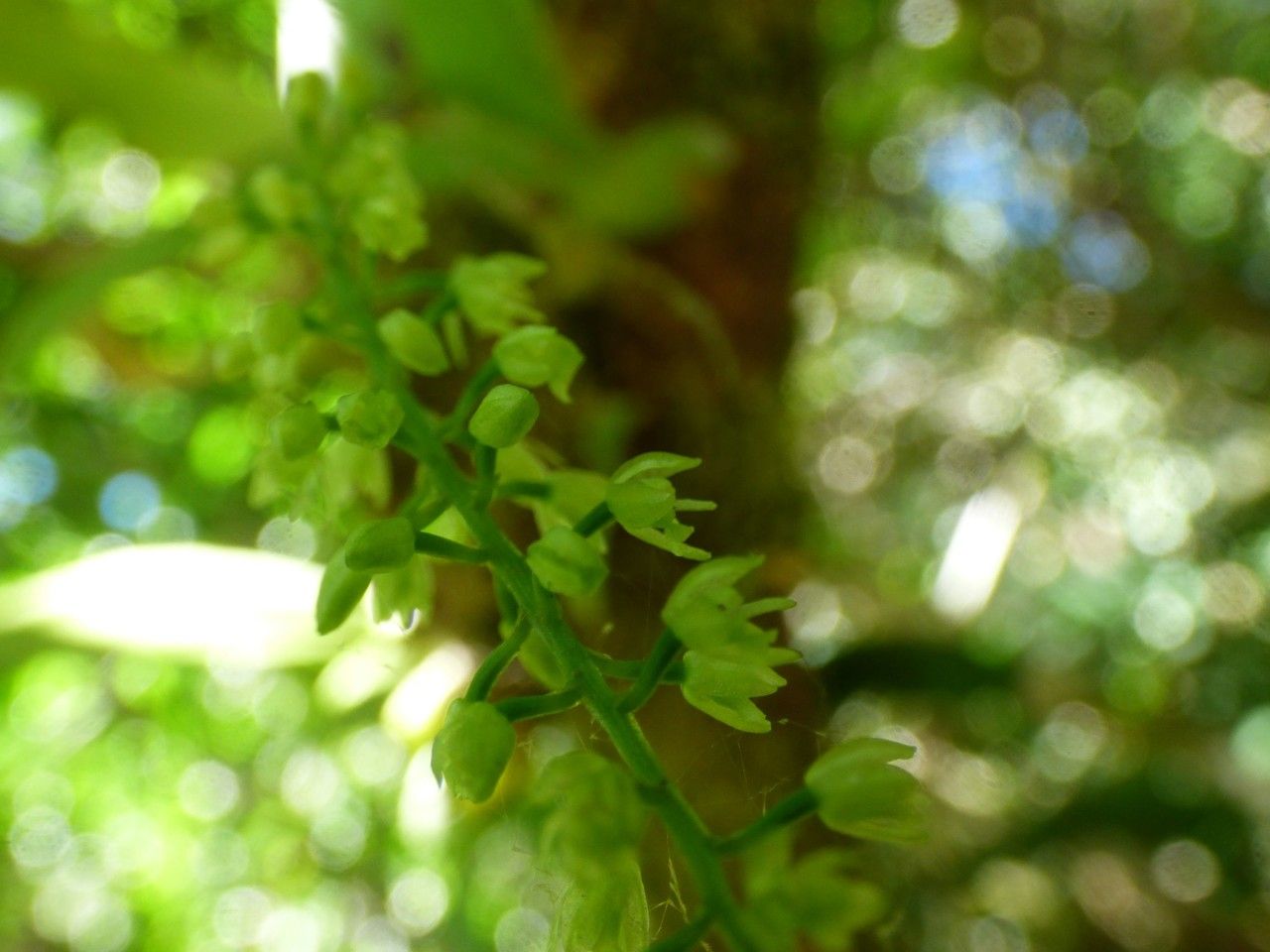
Oh, hello there! It’s so lovely to have you join me today. We’re going to chat about a truly special orchid, the lovely Liparis elliptica. If you’ve ever admired its delicate blooms and wonderful fragrance, you’ll be pleased to know that bringing more of these beauties into your life is absolutely doable. Propagating this orchid isn’t just about getting more plants; it’s about the deep satisfaction of nurturing life and watching something amazing unfold right before your eyes. Now, I’ll be honest, Liparis elliptica can be a tad more challenging than, say, a Pothos, but with a little care and a lot of patience, it’s a project that’s incredibly rewarding for hobbyists willing to learn.
The Best Time to Start
For Liparis elliptica, the sweet spot for propagation is usually late spring to early summer. This is when the plant is actively growing and has plenty of energy to invest in new roots and shoots. You want to work with healthy, vigorous pieces of the mother plant. Avoid attempting propagation when the plant is dormant or stressed. Giving it a good soak and a light feeding leading up to your propagation day can really give your efforts a boost.
Supplies You’ll Need
To get your Liparis elliptica off to a great start, gather these essentials:
- Clean, sharp pruning shears or a sterile knife: Essential for making clean cuts.
- Potting medium: I like a well-draining orchid mix. A good blend often includes bark, perlite, and sphagnum moss. For Liparis, a chunkier mix is usually best.
- Small pots or trays: Size depends on the size of your cuttings.
- Clear plastic bags or a propagation dome: To maintain humidity.
- Water: Preferably filtered or rainwater for misting and watering.
- Optional: Rooting Hormone: While not strictly necessary for Liparis, a gentle rooting hormone can sometimes provide an extra push.
Propagation Methods
The most reliable way to propagate Liparis elliptica is through division. This orchid often forms tight clumps, and carefully separating these is your best bet.
Method: Division
- Gently remove the plant from its pot. Slide it out carefully. If it’s stuck, a gentle squeeze around the pot can help.
- Inspect the root ball. You’re looking for distinct sections of the plant that have their own roots and pseudobulbs (those bulbous structures at the base of the leaves).
- Carefully tease apart the sections. You can use your fingers or very gently use a clean tool if needed. The goal is to separate the clumps without damaging the roots too much. If a section has at least 2-3 pseudobulbs and a good network of roots, it’s a prime candidate.
- Trim any damaged or dead roots. Use your clean shears for this.
- Pot up the divisions. Place each new division into its own pot with your prepared orchid mix. Ensure the pseudobulbs are just at or slightly above the surface of the potting medium.
- Water lightly. Just enough to settle the mix around the roots.
- Mimic humidity. Place the newly potted divisions in a place with bright, indirect light and cover them with a clear plastic bag or a propagation dome to keep humidity high.
The “Secret Sauce” (Pro Tips)
Here are a couple of tricks I’ve learned over the years that can really help your Liparis thrive:
- Don’t overwater right away. After dividing, the new plants are a bit delicate. They have to adjust to their new home and might not be ready for a deep soak. Allow the potting medium to dry out slightly between waterings for the first few weeks. Think of it as giving them a little thirst to encourage root growth.
- Consider a gentle bottom warmth. If you have a heat mat designed for seedlings, placing your propagation pots on it can make a remarkable difference. This gentle warmth encourages root development from below, which is often the first sign of success. Just make sure it’s not too hot – you don’t want to cook those nascent roots!
Aftercare & Troubleshooting
Once your Liparis elliptica divisions are potted, keep them in that humid environment under plastic. You’ll want to mist them lightly every few days, especially if the potting mix looks dry. After a few weeks, you should start to see new growth emerging, often a sign that roots are forming.
The most common issue you might encounter is rot. This usually happens if the potting mix stays too wet. You’ll see yellowing leaves that might feel mushy, or the pseudobulbs could turn dark and soft. If you spot this, act fast! Remove the affected section and repot the remaining healthy parts in fresh, drier mix. Ensure good air circulation around your propagations.
A Little Patience Goes a Long Way
Propagating Liparis elliptica is a journey that requires a bit of nurturing and a whole lot of patience. Don’t get discouraged if it takes time to see those first promising signs of new roots or growth. Celebrate every little bit of progress. The joy of watching a tiny division flourish into a beautiful, blooming orchid is truly unmatched. Happy propagating!
Resource:
https://identify.plantnet.org/k-world-flora/species/Liparis%20elliptica%20Wight/data