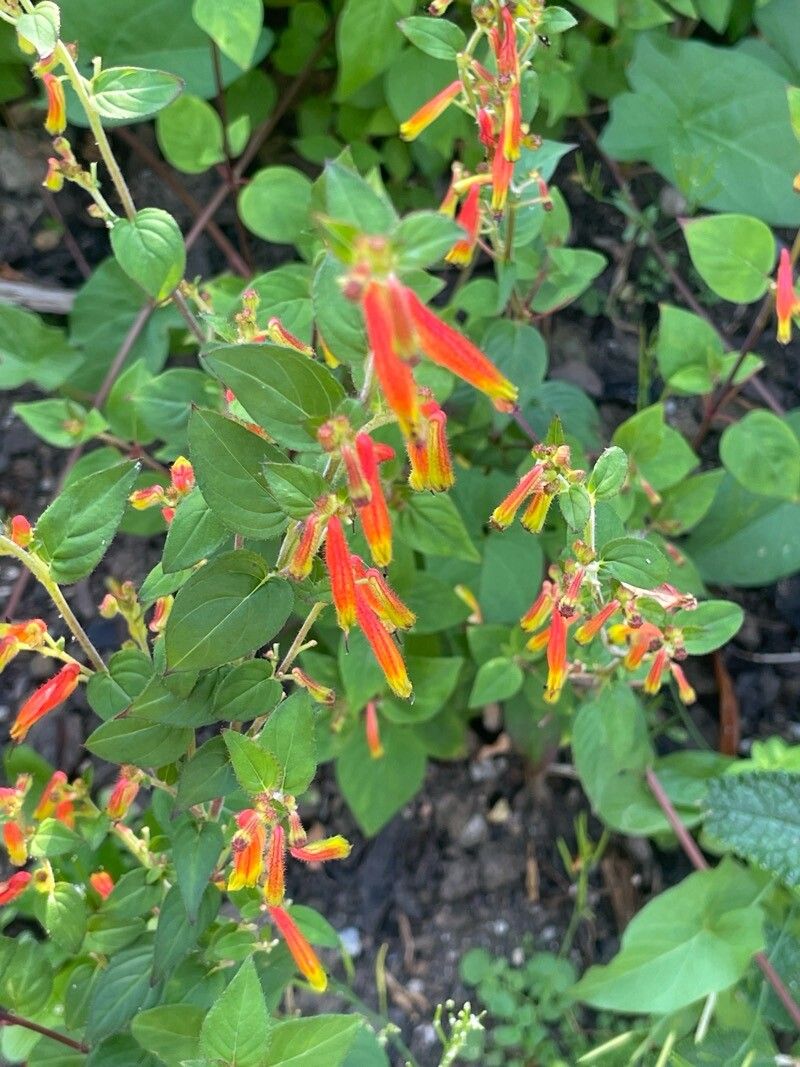
Hey there, fellow plant lovers! Today, we’re diving into the wonderful world of propagating Cuphea cyanea. If you haven’t met this little beauty yet, you’re in for a treat. Its delicate, iridescent blue flowers are simply captivating, creating a splash of unexpected color in any garden or container. Plus, there’s something incredibly satisfying about watching a tiny cutting transform into a thriving new plant. For those just dipping their toes into propagation, Cuphea cyanea is a fantastic place to start. It’s surprisingly forgiving and gives you a great chance at success.
The Best Time to Start
I’ve found that late spring to early summer is your golden window for propagating Cuphea cyanea. This is when the plants are actively growing and bursting with energy. You’ll have plenty of fresh, healthy stems to work with, which gives your cuttings the best possible start. Waiting until the plant is well into its growing season, rather than trying to take cuttings from a plant that’s just waking up, makes all the difference.
Supplies You’ll Need
Here’s what I usually have on hand for this rewarding task:
- Sharp Pruning Shears or a Clean Knife: For making clean cuts.
- Rooting Hormone (Optional but Recommended): A small amount can speed things up. Use a powder or gel.
- Well-Draining Potting Mix: I like a blend of equal parts peat moss (or coco coir), perlite, and a good quality potting soil.
- Small Pots or Trays: Clean containers are a must!
- Plastic Bags or a Clear Dome: To create a humid environment.
- Watering Can with a Fine Rose: For gentle watering.
- Labels: So you don’t forget what you planted!
Propagation Methods
Let’s get our hands dirty! Here are my go-to methods for Cuphea cyanea:
Stem Cuttings: My Favorite Approach
This is my tried-and-true method for Cuphea cyanea.
- Take the Cuttings: Look for healthy, non-flowering stems. You want stems that are firm but still a bit pliable – not woody, and not super soft. Aim for cuttings that are about 4-6 inches long.
- Prepare the Cuttings: Carefully remove the lower leaves from the bottom 2-3 inches of the stem. This is important to prevent them from rotting when you put them in the soil.
- Apply Rooting Hormone (Optional): If you’re using rooting hormone, dip the cut end of the stem into the powder or gel, tapping off any excess.
- Pot Them Up: Fill your small pots with your prepared, moistened potting mix. Make a small hole in the center with your finger or a pencil.
- Insert the Cuttings: Gently place each cutting into the hole, pressing the soil lightly around the stem to hold it in place.
- Create Humidity: Mist the cuttings lightly with water and then cover the pots with a clear plastic bag or a clear plastic dome. This creates a mini-greenhouse effect, keeping the humidity high for your cuttings. Make sure the leaves aren’t touching the plastic if possible.
Water Propagation: A Visual Treat
If you enjoy watching roots develop, give this a try.
- Prepare the Cuttings: Follow steps 1 and 2 from the stem cutting method above.
- Place in Water: Find a clean jar or glass and fill it with fresh water. Place your prepared cuttings into the water, ensuring that no leaves are submerged below the waterline.
- Change the Water Regularly: Change the water every 2-3 days to keep it fresh and prevent bacteria buildup.
- Watch and Wait: You should start to see tiny white root nubs appearing in a few weeks. Once the roots are about an inch long, it’s time to move them to soil.
The “Secret Sauce” (Pro Tips)
Here are a couple of things I’ve learned over the years that can really help:
- Bottom Heat is Your Friend: If you can, place your pots on a heating mat designed for seedlings. This gentle bottom warmth encourages root development and significantly speeds up the process. It’s like a little spa treatment for your cuttings!
- Don’t Overwater! This is a classic mistake. While humidity is crucial, waterlogged soil is the enemy of new cuttings and can lead to rot. The soil should be consistently moist, but never soggy. If you can squeeze water out of the soil when you grab a handful, it’s too wet.
Aftercare & Troubleshooting
Once you see roots! Congratulations!
- Transplanting: When your cuttings have a good root system (you’ll see them emerging from the drainage holes or feel resistance when gently tugging), it’s time to pot them into slightly larger individual pots with fresh, well-draining potting mix.
- Gradual Acclimation: If you’ve been using a humidity dome or plastic bag, gradually introduce your new plants to the open air over a few days. Start by lifting the cover for short periods and slowly increase the duration.
- Watering: Water when the top inch of soil feels dry to the touch.
- Light: Provide bright, indirect light. They’re not usually ready for direct, scorching sun right away.
Troubleshooting: The most common issue is rot, which looks like a mushy, blackened stem base. This is usually caused by overwatering or poor drainage. If you see this, sadly, the cutting is likely lost. Another sign of struggle is yellowing leaves which could mean too much or too little water, or insufficient light. Keep an eye on your little ones and adjust as needed.
Keep Growing!
Propagating Cuphea cyanea is a journey. There might be a few bumps along the way, but with a little patience and care, you’ll be rewarded with beautiful new plants. Enjoy the process, learn from each attempt, and soon you’ll have a whole collection to share – or keep all to yourself! Happy gardening!
Resource: