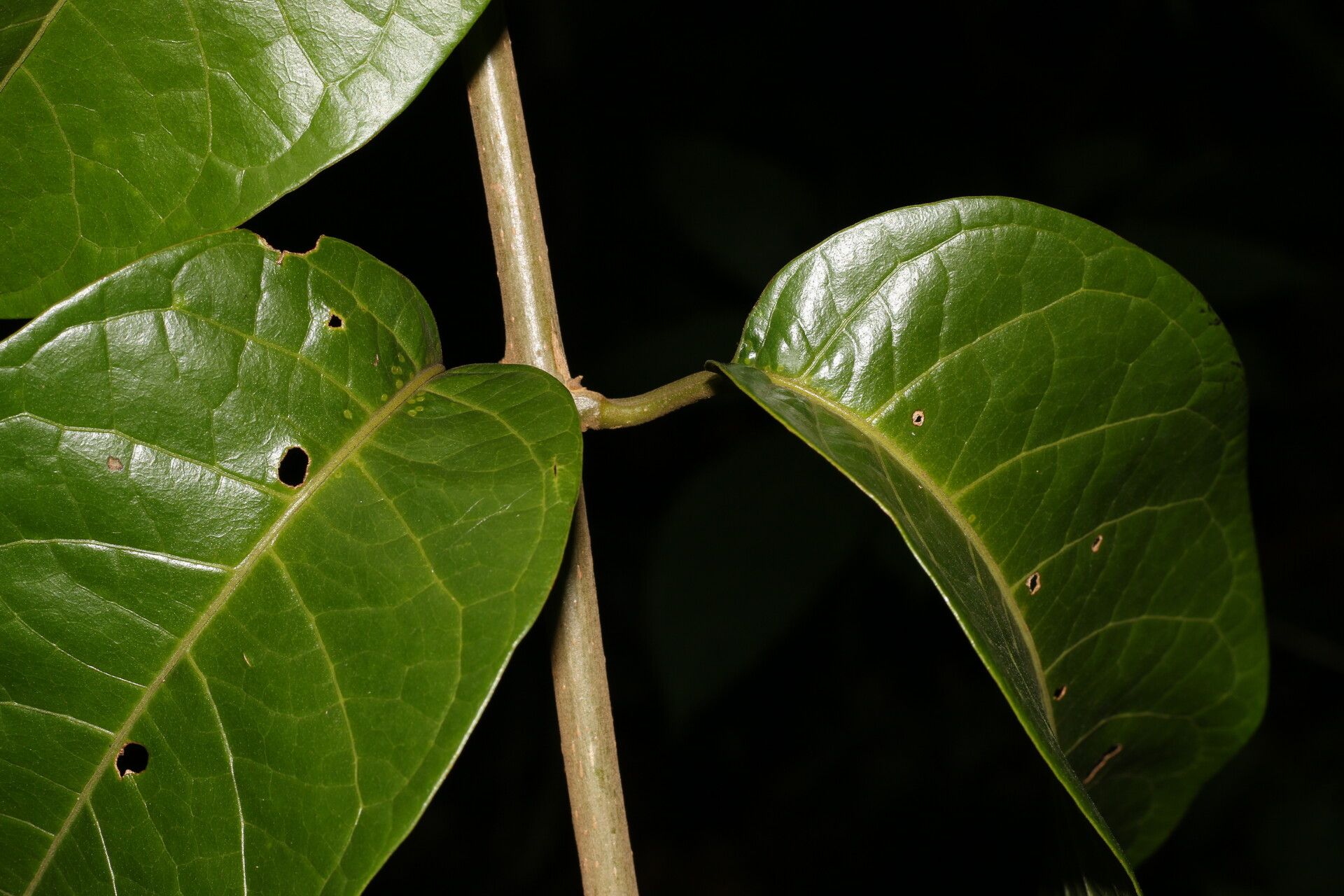
Oh, hello there, fellow plant enthusiast! Isn’t it just the most wonderful feeling when you discover a plant that truly speaks to your garden soul? For me, that’s often the case with Aegiphila laevis. It’s got this wonderful, almost tropical vibe, with its glossy leaves and sometimes, if you’re lucky, delicate little flowers that attract buzzing friends. And the best part? You can snag yourself more of this beauty without even leaving your own backyard. Propagating Aegiphila laevis is a truly rewarding little journey, and while it might seem a tad intimidating at first, I promise, with a little guidance, you’ll be well on your way. For beginners, I’d say it’s moderately easy – a delightful step up.
The Best Time to Start
When spring is truly in full swing, that’s your golden ticket. Think late spring or early summer. The plant is actively growing, full of vigor, and just bursting with energy. This is when cuttings are most likely to root and thrive. Trying to do it when the plant is dormant or stressed is just setting yourself up for a bit of disappointment.
Supplies You’ll Need
- Sharp Pruning Shears or a Clean Knife: Sterilize them with rubbing alcohol for a clean cut.
- Rooting Hormone (Optional but Recommended): A good powdered or gel form.
- Well-Draining Potting Mix: I like a blend of equal parts perlite, peat moss, and a good quality potting soil. Some coco coir works wonders too!
- Small Pots or Seedling Trays: Clean ones, of course!
- Plastic Bags or a Propagator with a Lid: To create a humid environment.
- Small Watering Can or Spray Bottle: For gentle watering.
- Labels: So you don’t forget what’s what!
Propagation Methods
For Aegiphila laevis, stem cuttings are hands down my favorite, most reliable method.
- Take Your Cuttings: In late spring or early summer, look for healthy, non-flowering stems on your mature plant. You want semi-hardwood cuttings, meaning they’re not brand new and soft, but not old and woody either. Aim for pieces about 4-6 inches long. Make a clean cut just below a leaf node. This is super important because that’s where the magic happens – where roots tend to form. Remove the lower leaves, leaving just a couple at the very top.
- Prepare the Cutting: If you’re using rooting hormone, dip the cut end into it. You don’t need a ton, just enough to coat the bottom inch or so.
- Planting Time: Fill your small pots with your prepared potting mix. Make a little hole in the center with your finger or a pencil. Gently insert the cut end of the stem cutting into the hole, making sure it’s snug.
- Create a Humid Haven: Water the soil gently, just enough to make it moist but not waterlogged. Now, for the humidity! You can pop a plastic bag loosely over the pot, supported by stakes so it doesn’t touch the leaves, or place the pot inside a propagator with the lid on.
- Find the Perfect Spot: Place your pots in a warm spot that receives bright, indirect light. No direct sun, please! That can scorch those tender cuttings.
The “Secret Sauce” (Pro Tips)
- Bottom Heat is Your Best Friend: If you can, placing your pots on a seedling heat mat can significantly speed up the rooting process. It mimics the warmth of spring soil and gives those roots the encouragement they need to emerge.
- Don’t Drown Your Babies: This is a big one! While humidity is crucial, too much moisture can lead to rot. Stick your finger into the soil to check for dampness before watering. It’s always better to underwater slightly than to overwater. And when you do water, water from the bottom if possible – place the pots in a tray of water for about 15-20 minutes until the top of the soil is moist. This encourages roots to grow downwards.
- The “Sniff Test” for Cuttings: When you’re taking cuttings, give them a little gentle tug after a few weeks. If you feel resistance, that’s a good sign roots are forming! Sometimes, you’ll even see tiny new leaves starting to unfurl.
Aftercare & Troubleshooting
Once you start seeing new growth or feel that tug of roots, it’s time to gradually acclimate your new plant. If you’ve used a plastic bag, start by opening it for a few hours each day, increasing the time until you can remove it entirely. Water as needed, keeping the soil consistently moist but not soggy.
The most common culprit for failure is rot. If your cutting turns black and mushy, it’s a goner. This is usually due to overwatering or poor drainage. Keep an eye out for wilting leaves that yellow – this could also be a sign of overwatering, or sometimes just the shock of being a new cutting. Don’t get discouraged if a few don’t make it; that’s part of the learning process.
A Encouraging Closing
So there you have it! Propagating Aegiphila laevis is really a delightful way to expand your green collection and share the plant love. Be patient with your little cuttings, give them the right conditions, and trust your instincts. The little thrill you get when you see those first roots appear is simply unbeatable. Happy propagating!
Resource:
https://identify.plantnet.org/k-world-flora/species/Aegiphila%20laevis%20(Aubl.)%20J.F.Gmel./data