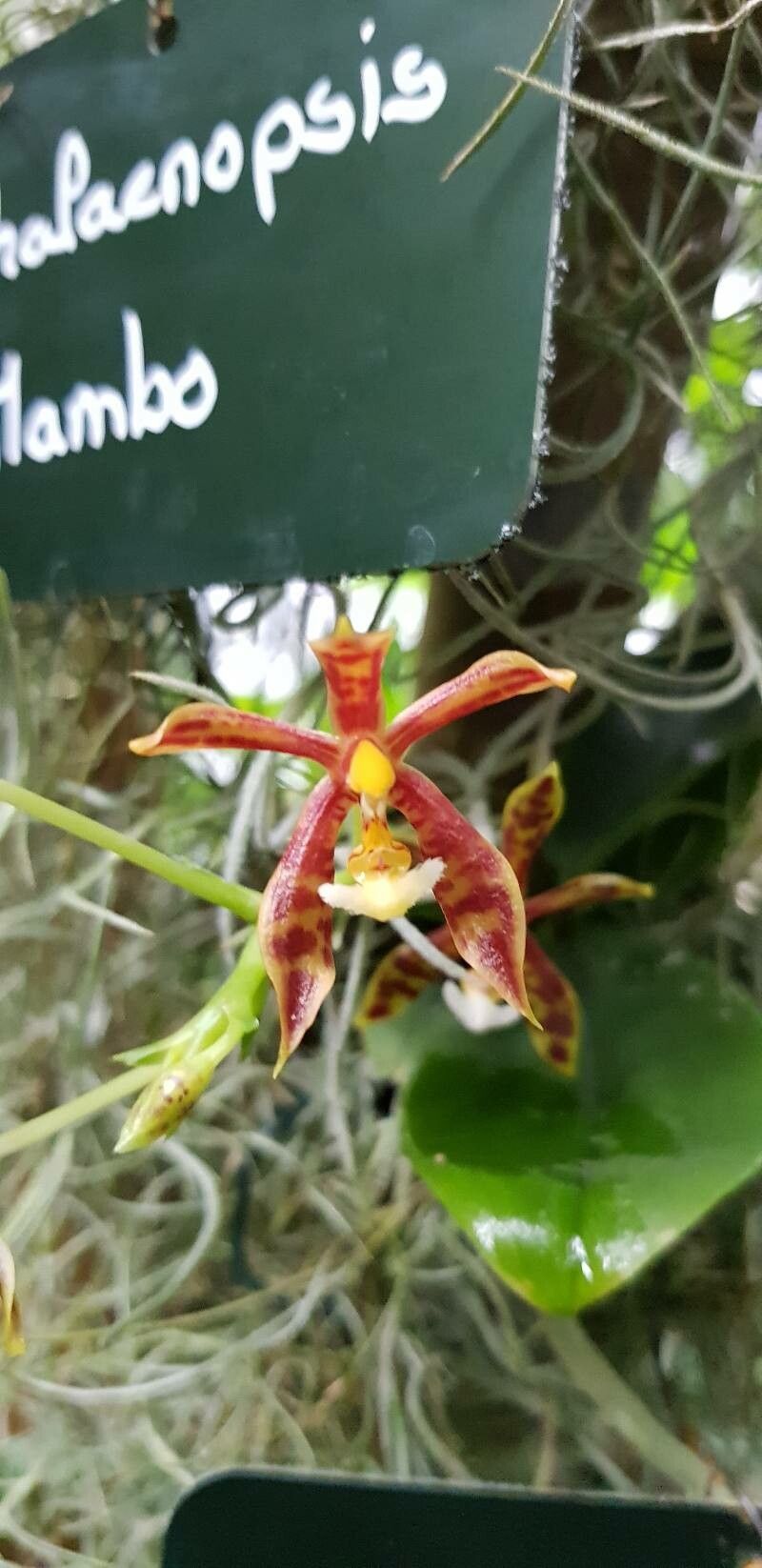
Oh, hello there! Grab a mug of your favorite beverage, and let’s chat about one of my absolute favorite orchids: Phalaenopsis mannii.
Welcome Your Own Phalaenopsis mannii
There’s something truly special about Phalaenopsis mannii. Its delicate, often wonderfully fragrant blooms can bring such a touch of the tropics right into your home. And the joy of successfully propagating one? Well, it’s a fantastic feeling, like unlocking a little orchid secret! For many, Phalaenopsis mannii is considered a bit more of a challenge than your everyday moth orchid, but don’t let that deter you. With a little patience and the right approach, you can absolutely coax new life from this beautiful plant.
The Best Time to Start Your Orchid Adventure
The sweet spot for propagating Phalaenopsis mannii is generally when the plant is actively growing. Think spring and summer. You want to see good, healthy leaf development and ideally, no signs of stress. If your orchid is in bloom, it’s best to wait until after it finishes flowering. This gives the plant its energy to focus on producing new roots and growths, not on those lovely, but energy-intensive, blooms.
Your Orchid Propagation Toolkit
Here’s what you’ll want to have on hand before you begin:
- Sterile Pruning Shears or a Sharp Knife: Cleanliness is paramount to prevent disease.
- Sphagnum Moss: High-quality, long-fibered sphagnum moss is your best friend for moisture retention.
- Perlite: This helps with aeration and drainage in your potting mix.
- Orchid Bark Mix: A fine to medium grade is usually suitable for this type of propagation.
- Small Pots or Containers: Clean, with drainage holes.
- Rooting Hormone (Optional but Recommended): A good quality powder or gel can give your cuttings a boost.
- Clear Plastic Bags or a Propagator: To create a humid environment.
- Spray Bottle: For a gentle mist of water.
- Rubbing Alcohol or Bleach Solution: For sterilizing your tools between cuts.
Let’s Get Propagating: Methods for Phalaenopsis mannii
While dividing a mature plant is an option, Phalaenopsis mannii is often most successfully propagated by taking a stem cutting or by nurturing a keiki.
Method 1: Taking a Stem Cutting (When to Look for “Growth Spikes”)
Sometimes, after blooming, you might notice a nodal spike forming on the stem. These can be your propagation points!
- Identify Your Cutting Spot: Look for a healthy stem that has a noticeable node. Sometimes, these nodes will have a small, bump-like growth on them – that’s a keiki in the making! If you don’t see a clear keiki, you can still try taking a section of stem with at least two healthy nodes.
- Sterilize Your Tools: Wipe down your pruners or knife with rubbing alcohol. It’s crucial for preventing infection.
- Make Your Cut: Carefully cut the stem section, ensuring you have at least one node above and one below your desired cutting point (if not propagating a keiki directly).
- Apply Rooting Hormone (Optional): If using, dip the cut end into the rooting hormone powder or gel. This encourages root development.
- Prepare Your Medium: Lightly dampen some sphagnum moss or your orchid bark mix. You don’t want it soaking wet, just moist.
- Place Your Cutting: Gently place the cut end of your stem section into the prepared medium within your pot. You can lean it against the side or secure it lightly.
- Create a Humid Environment: Cover the pot loosely with a clear plastic bag or place it in a propagator. This keeps the humidity high, which is vital for cuttings to root.
Method 2: Encouraging and Detaching a Keiki
Keikis are like baby orchids that grow from the mother plant, often at the base of a flower spike. They are delightful!
- Identify a Healthy Keiki: Look for a keiki on your Phalaenopsis mannii that has started to develop its own small roots (at least 1-2 inches long) and a couple of tiny leaves.
- Sterilize Your Tools: Again, clean pruners are a must!
- Make the Cut: Using your sterile pruners, carefully cut the keiki away from the mother plant. Make sure you cut the stem attaching the keiki to the mother plant, and if possible, leave a small part of the mother plant’s stem attached to the keiki to ensure it has its own root connection.
- Apply Rooting Hormone (Optional): If you’d like, you can dip the cut end of the keiki into rooting hormone.
- Pot Up Your Keiki: Plant the keiki in a small pot with your well-draining orchid mix. Ensure the tiny roots are buried or resting on the surface of the moss/bark.
- Maintain Humidity: Just like with stem cuttings, a plastic bag tent or propagator is your best friend here.
The “Secret Sauce”: My Top Tips for Success
Over the years, I’ve picked up a few tricks that seem to make a real difference with these finicky beauties.
- Don’t Let Leaves Touch Water: If you’re water propagating (which is less common for mannii but can be tried with careful observation), ensure the leaves of your cutting never sit in the water. Rot can set in so quickly! Only the cut stem should be submerged.
- Bottom Heat is Your Friend: Orchids love warmth. Placing your propagation pots on a gentle heat mat can significantly speed up root development and encourage new growth. Just make sure it’s not too hot – think cozy, not scorching!
- Patience is a Virtue (and a Necessity!): Phalaenopsis mannii can be slow to respond. Don’t be discouraged if you don’t see immediate signs of rooting. Keep providing the right conditions, and trust the process. Sometimes, it takes months.
Aftercare and What to Watch For
Once your stem cutting or keiki has shown signs of root development, you can start to adjust its care slightly.
- Gradually Reduce Humidity: As new roots form and the plant looks stronger, you can slowly increase airflow by opening the plastic bag or propagator for longer periods each day. Eventually, you’ll aim for the same humidity level as your mature orchids.
- Light Watering: Continue to keep the potting medium lightly moist. Allow it to dry out slightly between waterings. Avoid soggy conditions, as this is a fast ticket to rot.
- Watch for Rot: The biggest enemy here is rot. If you see soft, mushy, dark spots on your cutting or keiki, or if the roots turn black and slimy, it’s a sign of too much moisture and poor airflow. You may need to trim away the rotten parts (sterilize your tools again!) and try to let the area dry out more. Sometimes, a sulfur-based fungicide can help prevent further spread.
Happy Growing!
Propagating Phalaenopsis mannii might require a bit more attention and a touch more patience than some of its cousins, but the reward of seeing those first tiny roots emerge, or a new little keiki unfurl its leaves, is absolutely worth it. Embrace the journey, learn from each step, and most importantly, enjoy the process of nurturing new life. Happy gardening!
Resource:
https://identify.plantnet.org/k-world-flora/species/Phalaenopsis%20mannii%20Rchb.f./data