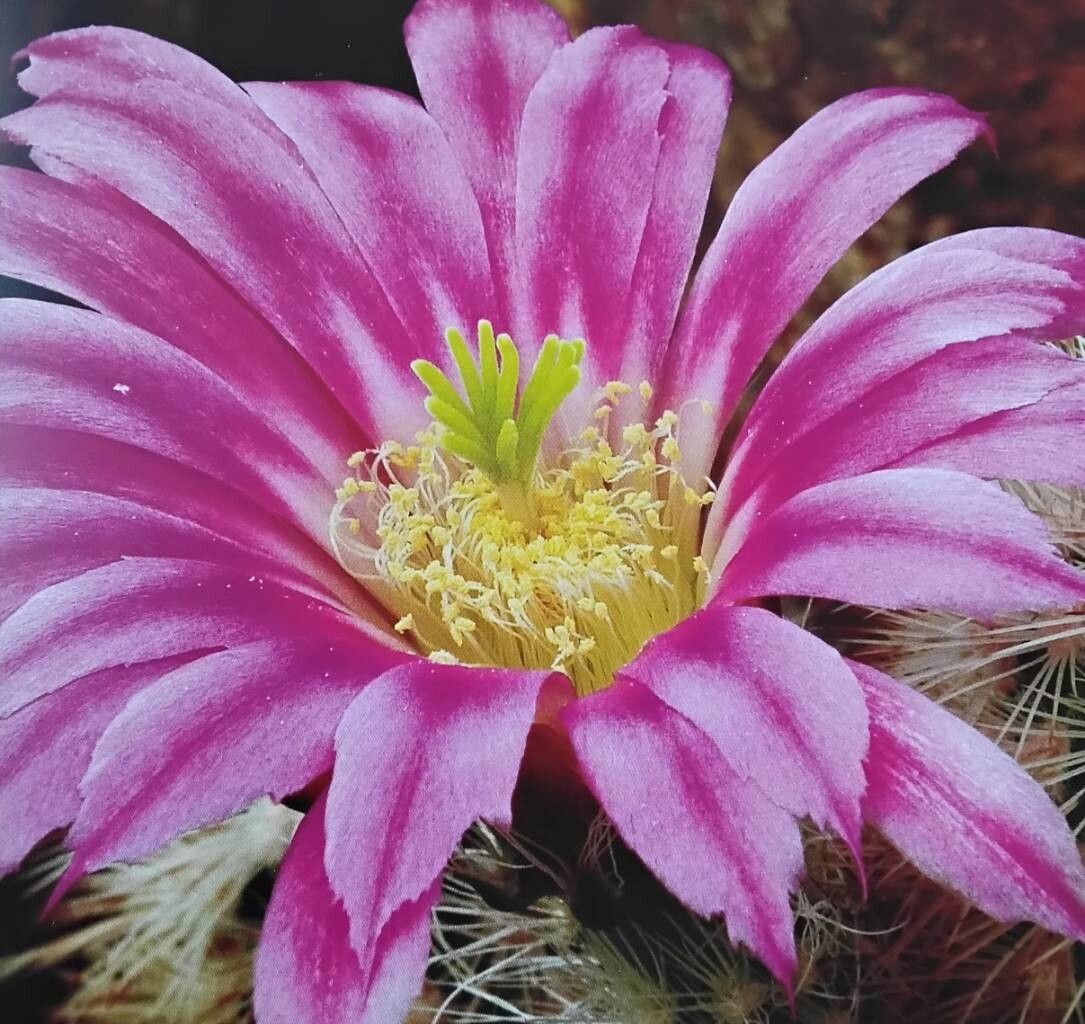
Hello, fellow plant enthusiasts! I’m so excited to talk to you today about a truly special cactus: Echinocereus freudenbergeri. You know, the kind with those stunning, vibrant flowers that just make your heart sing. Propagating these beauties can feel like unlocking a little bit of magic, and let me tell you, it’s incredibly rewarding to watch a tiny piece of your beloved plant grow into a whole new success.
Now, if you’re new to the cactus world, Echinocereus freudenbergeri is a fantastic plant to start with. While some cacti can be a bit finicky, this one is surprisingly forgiving. You’ll find the process to be quite straightforward, making it a great project for both beginners and seasoned propagators alike.
When to Get Your Hands Dirty
The absolute best time to start propagating your Echinocereus freudenbergeri is during its active growing season. Think late spring through early summer. This is when the plant has plenty of energy stored up, giving your cuttings the best chance to root and thrive. You’ll notice new growth appearing, which is a great sign that your plant is ready to share!
Getting Prepared: Your Propagation Toolkit
Before we dive in, let’s make sure you have everything you need. A little preparation goes a long way!
- Sharp, clean pruning shears or a sharp knife: Essential for making clean cuts on your parent plant and any offsets.
- Well-draining cactus and succulent potting mix: This is key! I like a mix of coarse sand, perlite, and a good quality potting soil. You can also buy pre-made cactus mixes.
- Rooting hormone (optional but recommended): A little sprinkle can give your cuttings a boost.
- Small pots or seed trays: Containers that aren’t too large are best for young plants. Make sure they have drainage holes!
- Gravel or small stones: For covering the soil surface to improve drainage and prevent rot.
- Watering can or spray bottle: For gentle watering.
- A warm, bright location: Think a sunny windowsill or a greenhouse with good light exposure.
- Patience (most important!): This is a journey, not a race.
The Art of Making More Echinocereus
There are a few ways to go about propagating Echinocereus freudenbergeri, but my favorite and usually most successful method involves stem cuttings.
Stem Cuttings: This is often the easiest and fastest way to get new plants.
- Select a healthy stem: Look for a mature, healthy stem on your Echinocereus freudenbergeri. It doesn’t need to be a brand new growth, but should look robust.
- Make the cut: Using your clean pruning shears or knife, make a clean, swift cut at the base of the stem, where it attaches to the main body of the plant. It’s best to take a piece that’s at least a few inches long.
- Allow it to callous: This is a critical step to prevent rot. Place the cut stem in a dry, well-ventilated spot out of direct sunlight for at least a week, or even two. You want the cut end to dry out and form a hard, “calloused” surface. This protects it from disease when you plant it.
- Prepare the pot: Fill your small pot with your well-draining cactus mix. You can lightly moisten it if it’s bone dry, but don’t make it soggy.
- Plant the cutting: Once the cut end has calloused, you can gently insert the calloused end into the soil. You can use a bit of rooting hormone at this stage if you like, dipping the calloused end into the powder or gel. Press the soil gently around the base of the cutting to hold it upright.
- Wait for roots: Now, the waiting game begins! Place the pot in a warm, bright location where it will receive good indirect light. Resist the urge to water it immediately. Wait for about a week after planting before giving it its first light watering. You’re looking for signs of new growth, which indicates rooting has occurred. Gently tugging on the plant is not recommended as it can disturb delicate new roots. Instead, look for actual visual cues of growth.
Division (for Offset Producers): Some Echinocereus species produce offsets, or baby plants, at their base. If yours does, this is an easy method.
- Gently remove offsets: Carefully unpot the parent plant and, if possible, gently separate any small offsets that have their own roots.
- If no roots: If an offset has no roots, treat it like a stem cutting. Let the cut end callous over for a week or two before planting in its own pot.
- If roots exist: If the offset already has roots, you can plant it directly into a small pot with cactus mix. Water it lightly and treat it as you would a young seedling.
My “Secret Sauce” for Success
Over the years, I’ve picked up a few tricks that seem to make all the difference.
- The “Air Dry” is Your Best Friend: Seriously, don’t rush the callousing process for stem cuttings. I’ve seen so many people impatient, planting a fresh cut, and then ending up with mushy rot. A well-calloused cutting is the surest sign of a future healthy plant.
- Bottom Heat is a Game Changer: If you can, placing your pots on a gentle heating mat designed for propagation can significantly speed up root development. It mimics the warmth of spring soil and gives those roots a real kick-start. Just make sure the heat isn’t too intense.
- Don’t Drown Your Dreams: When watering your newly planted cuttings, less is more. Cacti are desert dwellers, and soggy soil is their nemesis. Water only when the soil has dried out considerably. It’s far better to underwater slightly than to overwater.
The Road to Root Development & What to Watch For
Once you see signs of new growth, you’re well on your way!
Continue to provide bright, indirect light and water sparingly. As the new plant grows and becomes more established, you can gradually introduce it to more direct sunlight.
The biggest challenge, as you might guess, is rot. If you see your cutting turning mushy, yellowing significantly, or developing black spots, it’s likely succumbing to rot. This usually means it was planted too soon without callousing, or it’s being kept too wet. In cases of rot, sadly, it’s often best to discard the affected cutting. Don’t get discouraged, though; it happens to everyone at some point!
Happy Propagating!
Watching a new Echinocereus freudenbergeri emerge from a tiny cutting is a truly special feeling. Be patient with the process, embrace the learning curve, and enjoy the gentle rhythm of growing. Happy gardening, and may your cuttings flourish!
Resource:
https://identify.plantnet.org/k-world-flora/species/Echinocereus%20freudenbergeri%20G.Frank/data