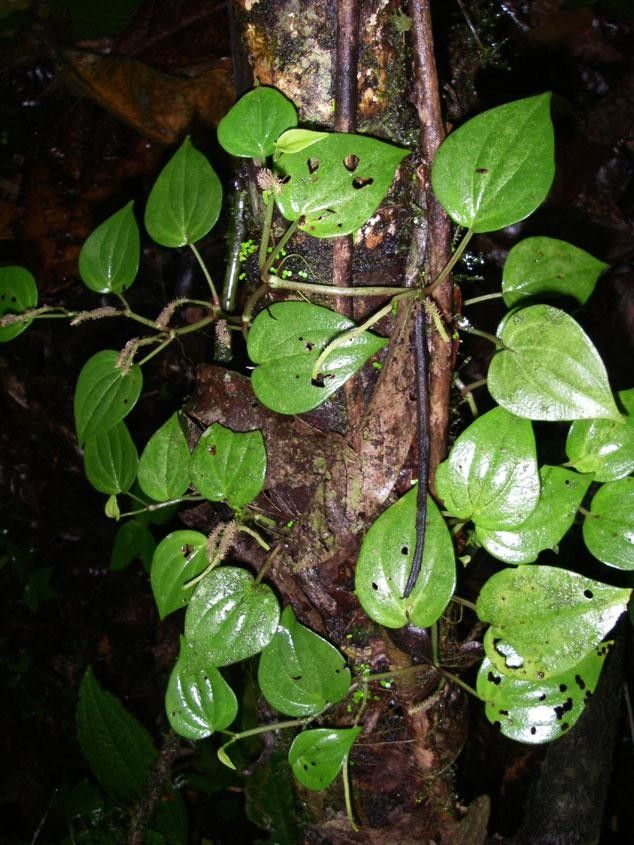
Hello, fellow plant lovers! I’m so excited to chat with you today about one of my absolute favorites: Peperomia calvicaulis, often called the “trailing watermelon peperomia” for its darling, segmented leaves that look remarkably like tiny watermelons. It’s such a charming plant, and the satisfaction of multiplying your collection from just one is simply unmatched. If you’re new to the plant-parenting game, I’m happy to report that P. calvicaulis is wonderfully beginner-friendly when it comes to propagation. You’ve got this!
The Best Time to Start
For us in the Northern Hemisphere, the absolute sweet spot for propagating P. calvicaulis is spring and early summer. This is when the plant is actively growing and has the energy to put out new roots. While you can propagate them at other times, you’ll notice a much higher success rate when the days are longer and warmer, and your plant is feeling its most vigorous.
Supplies You’ll Need
Here’s what you’ll want to have on hand before you get started:
- Sharp, clean pruning shears or scissors: A clean cut is a happy cut, preventing disease.
- Peat or coco coir-based potting mix: Something that drains well but retains a little moisture is ideal. I often mix in some perlite for extra aeration.
- Small pots or containers: These can be anything from tiny nursery pots to repurposed yogurt cups with drainage holes.
- Rooting hormone (optional but recommended): This can give your cuttings a little boost.
- A spray bottle: For gentle misting.
- Clear plastic bag or a propagation dome (optional): To create a humid environment.
- A clear glass or jar: If you decide to try water propagation.
Propagation Methods
Let’s get our hands dirty! There are two primary ways I love to multiply my P. calvicaulis, and they’re both straightforward.
Stem Cuttings
This is my go-to method for P. calvicaulis. Start by looking for a healthy, mature stem.
- Select a stem: Find a stem that has at least two to three leaf nodes. A node is where a leaf attaches to the stem.
- Make the cut: Using your clean shears, cut the stem just below a leaf node. For best results, aim for cuttings that are 2-4 inches long.
- Remove lower leaves: Gently pinch off any leaves on the bottom half of your cutting. This prevents them from rotting when you bury them or submerge them.
- Apply rooting hormone (optional): If you’re using it, dip the cut end into the rooting hormone powder, tapping off any excess.
- Plant the cutting: Fill your small pot with your potting mix. Make a small hole in the center with your finger or a pencil. Place the cut end of your Peperomia calvicaulis cutting into the hole, ensuring at least one leaf node is buried. Gently firm the soil around the stem.
- Water and cover: Water the soil lightly, just enough to moisten it. If you have a propagation dome or plan to use a plastic bag, place it over the pot to create a greenhouse effect. Make sure the leaves aren’t touching the plastic.
Water Propagation
This method is so satisfying to watch!
- Prepare the cutting: Follow steps 1-3 from the “Stem Cuttings” method above.
- Place in water: Fill a clean glass or jar with room temperature water. Place the cuttings in the water, ensuring the leaf nodes are submerged.
- Position the leaves: Crucially, make sure no leaves are touching the water. If they do, they’ll rot, and your cutting won’t be happy.
- Find a spot: Place the jar in a bright location with indirect light.
- Change the water: Change the water every few days to keep it fresh and prevent bacterial growth.
The “Secret Sauce” (Pro Tips)
Now for a couple of my personal insights that have really made a difference for me:
- Don’t drown your cuttings: Whether in soil or water, overwatering is the enemy. The soil should be moist, not soggy. If you’re using a plastic bag, I like to lift it daily for a few minutes to get some fresh air in there and prevent fungal issues.
- Seek warmth: Your P. calvicaulis cuttings will root much faster with a little gentle warmth. If you have a heat mat specifically for propagation, that’s fantastic! If not, just placing them in a warm spot in your home, away from drafts or direct, scorching sun, will do the trick.
Aftercare & Troubleshooting
Once you spot tiny white roots emerging from the bottom of your cutting (this can take anywhere from 3-6 weeks, sometimes longer!), it’s time to start weaning them off their humid environment.
- For soil cuttings: Gradually remove the plastic bag or dome, increasing the time each day. You’ll know they’re established when you see new leaf growth. Continue to water when the top inch of soil feels dry.
- For water cuttings: Once the roots are about an inch long, you can carefully pot them up directly into soil. Treat them as you would a newly potted plant – water gently and keep the soil consistently moist but not waterlogged for the first few weeks.
The most common issue you’ll face is rot. If your cuttings turn mushy and black, it’s usually a sign of too much moisture and not enough air circulation. Don’t be discouraged! Remove the affected cutting, adjust your watering habits, and try again. Sometimes, a cutting just doesn’t make it, and that’s okay.
A Encouraging Closing
Propagating Peperomia calvicaulis is such a joy. It’s a process that rewards patience and observation. Watch for those tiny signs of life, enjoy the journey, and soon you’ll have a whole collection of these delightful watermelon twins to enjoy and share! Happy propagating!
Resource:
https://identify.plantnet.org/k-world-flora/species/Peperomia%20calvicaulis%20C.DC./data