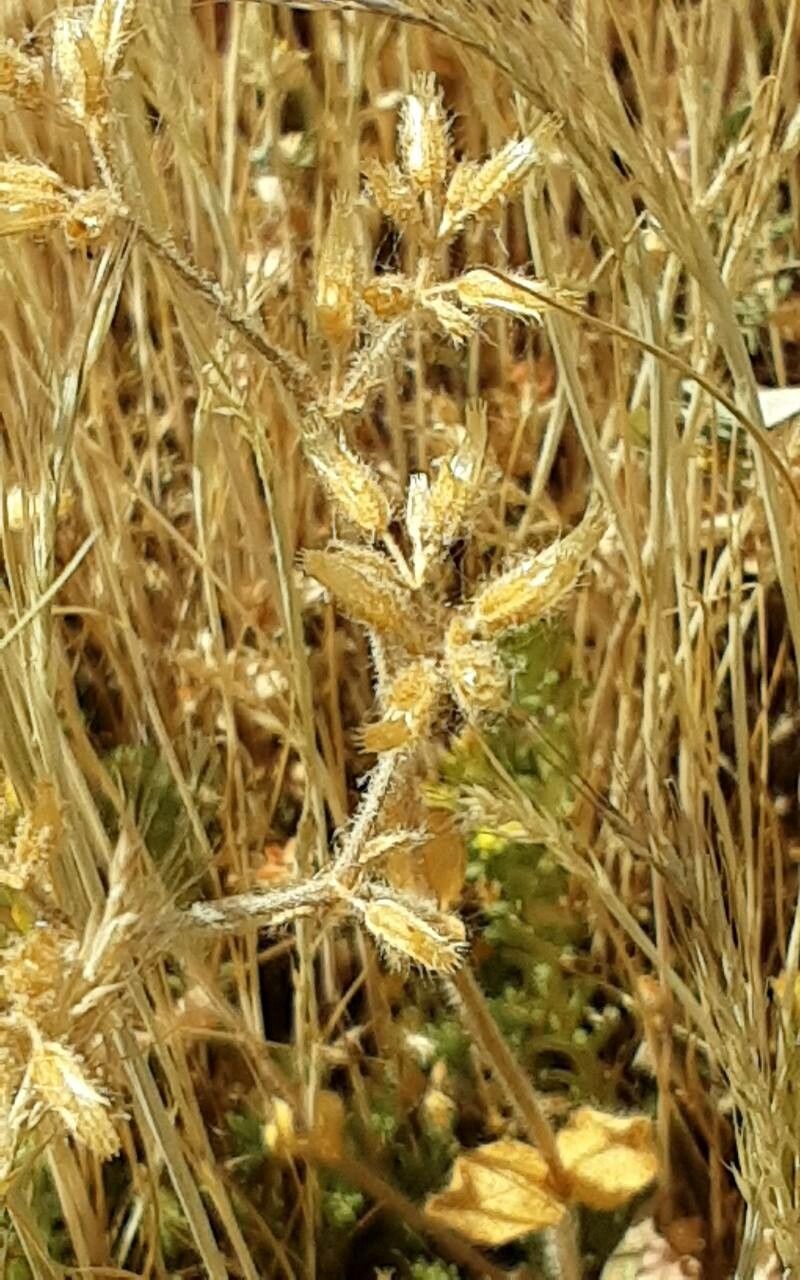
Oh, hello there, fellow plant enthusiast! I’m so delighted you’ve stumbled upon my little corner of the internet today. We’re going to chat about a plant that brings me so much joy, and one that I think you’ll find incredibly rewarding to grow yourself: Cerastium kunthii.
A Shower of Snowflakes for Your Garden
Commonly known as Mount Etna Mouse-ear or sometimes simply “Snow-in-Summer,” Cerastium kunthii is a charming perennial that forms dense mounds of silvery foliage. In late spring and early summer, it explodes with a profusion of delicate, star-shaped white flowers, creating a dazzling display that truly looks like a gentle snowfall dusting your garden beds. It’s a fantastic groundcover, perfect for rock gardens, borders, or even spilling over the edges of containers.
And the best part? Propagating it is not only possible, but it’s also wonderfully satisfying. Seeing your own little Cerastium babies take root and grow is a special kind of magic. For those of you just starting out, I’d say Cerastium kunthii is a pleasantly easy plant to propagate. It’s quite forgiving, which is always a bonus when you’re learning the ropes!
The Best Time to Start
Timing is everything, isn’t it? For Cerastium kunthii, the absolute sweet spot for propagation is in late spring to early summer. This is when the plant is actively growing and has plenty of energy to dedicate to producing new roots. You’ll be looking for those healthy, young shoots that haven’t yet flowered.
Supplies You’ll Need
Before we get our hands dirty, let’s gather our tools. Think of this as preparing your artist’s palette for your next horticultural masterpiece!
- Sharp Pruning Shears or a Clean Knife: For taking clean cuttings.
- Seed-Starting Mix or a Well-Draining Potting Mix: Something light and airy that won’t hold too much moisture. I often mix in a bit of perlite or coarse sand.
- Small Pots or Trays: With drainage holes, of course!
- Rooting Hormone (Optional but Recommended): This helps give your cuttings a little boost.
- Watering Can with a Fine Rose: So you don’t blast your precious cuttings.
- Clear Plastic Bag or a Propagator Lid: To create a humid environment.
- Labels: So you know what you’ve planted!
Propagation Methods: Stem Cuttings – My Go-To
For Cerastium kunthii, I find stem cuttings to be the most reliable and straightforward method. It’s incredibly rewarding to watch these little pieces transform into mature plants.
- Take Your Cuttings: First, locate those vigorous, non-flowering shoots. Using your clean shears, cut a stem that is about 3-4 inches long. Make your cut just below a leaf node (where a leaf attaches to the stem).
- Prepare the Cuttings: Gently remove the lower leaves from your cutting, leaving just a few at the very top. This prevents them from rotting when buried in the soil.
- Dip in Rooting Hormone (If Using): Dip the cut end of the stem into your rooting hormone powder or gel. Tap off any excess.
- Plant Your Cuttings: Fill your small pots with your prepared potting mix. Make a small hole in the center with your finger or a pencil. Carefully insert the cut end of your stem cutting into the hole, ensuring the bottom leaves are not touching the soil surface. Gently firm the soil around the cutting.
- Water and Cover: Water the soil thoroughly but gently. Then, cover the pot with a clear plastic bag or place it in a propagator. This traps humidity, which is crucial for the cuttings to root. Ensure the leaves don’t touch the inside of the bag if possible.
The “Secret Sauce” (Pro Tips)
Here are a few little tricks I’ve picked up over the years that just seem to make all the difference.
- Bottom Heat is Your Friend: While not strictly essential for Cerastium kunthii, placing your pots on a propagation heat mat can significantly speed up the rooting process. It mimics that consistent warmth you find in spring and encourages root development from below.
- Don’t Drown Your Babies: Overwatering is the most common culprit for failure. Your soil should be consistently moist, but never soggy. If you gently squeeze a handful, only a drop or two of water should come out.
- Patience, Young Grasshopper: I know it’s tempting to peek every five minutes, but resist the urge to disturb the cuttings too much. They need time to establish a strong root system before you start tugging on them to check for resistance.
Aftercare & Troubleshooting
Once your cuttings show signs of life – new leaf growth is the best indicator – it’s time for a little adjustment.
- Acclimatization: Gradually remove the plastic bag or propagator lid over a few days. Start by taking it off for a few hours at a time, then longer periods. This helps the young plants adjust to the drier air.
- Move Them On: When you see clear signs of root development (you might even see a root poking out of the drainage hole), it’s time to transplant them into slightly larger pots with fresh potting mix. Treat them like young seedlings – water them gently and provide bright, indirect light.
- Watch for Rot: The most common issue you’ll encounter is stem rot. This usually happens from too much moisture and poor air circulation. If you see your cuttings wilting, turning black and mushy at the base, it’s likely rot. Unfortunately, there’s not much you can do once rot sets in, but learning from it is key! Ensure your soil drains well and you’re not overwatering next time.
Happy Growing!
And there you have it, my friends! Propagating Cerastium kunthii is a wonderfully accessible way to fill your garden with these delightful little charmers. Be patient with the process, celebrate every little sign of growth, and don’t be discouraged if you have a few that don’t make it. Every gardener experiences setbacks – it’s just part of the journey! Enjoy the satisfaction of growing your own snow. Happy gardening!
Resource:
https://identify.plantnet.org/k-world-flora/species/Cerastium%20kunthii%20Briq./data