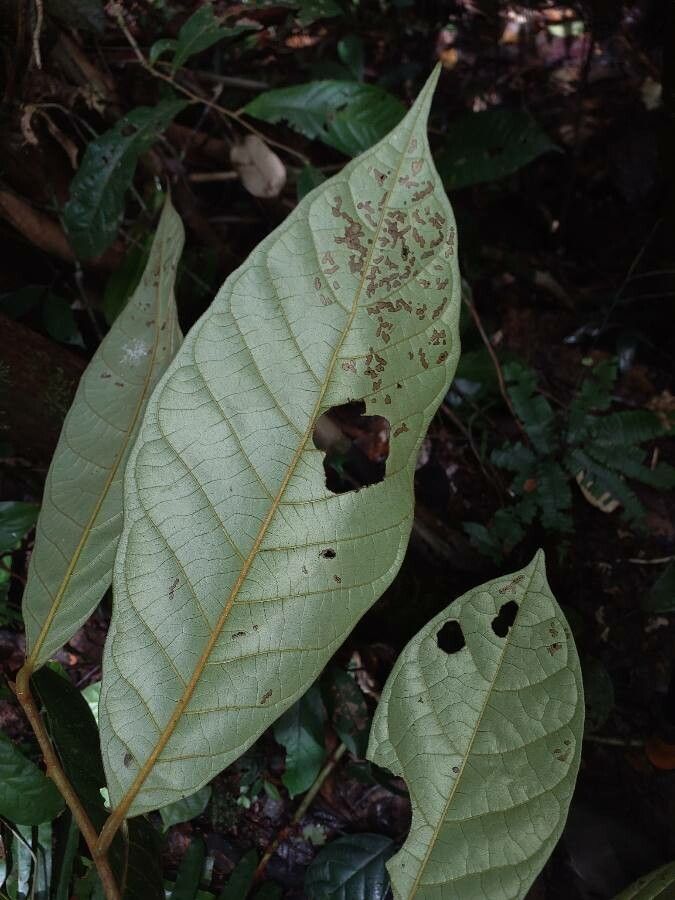
Oh, Annona ambotay! If you’ve ever encountered this tropical beauty, with its unique, creamy fruit and lovely, lush foliage, you know exactly why you’re here. Growing these can be a bit of a journey, but I’ve found success propagating them, and I’m so excited to share what I’ve learned with you. It’s not the quickest plant to get going from scratch, and for absolute beginners, it can present a bit of a learning curve, but trust me, that first little seedling popping up is pure magic.
The Best Time to Start
For Annona ambotay, your best bet is to start in the late spring or early summer. This is when the plant is actively growing and has plenty of energy to put into those new roots. Look for shoots that are firm but not woody – think of them as the plant’s vibrant teenage years, full of potential!
Supplies You’ll Need
Gathering your tools beforehand makes the whole process much smoother. Here’s what I always have on hand:
- Sharp Pruning Shears or a Knife: Cleanliness is key! Sanitize them with rubbing alcohol before you start.
- Rooting Hormone: This is a lifesaver for cuttings. Look for one that contains IBA.
- Well-Draining Potting Mix: A good blend for me is about 50% peat moss or coco coir and 50% perlite or coarse sand. You want good airflow around those developing roots.
- Small Pots or Seed Starting Trays: Clean pots are essential to prevent fungal issues.
- Plastic Bags or a Propagation Dome: To create a humid environment for your cuttings.
- Misting Bottle: For keeping things moist.
- Gravel or Small Pebbles (optional for water propagation): To help support stems.
Propagation Methods
While seeds are an option, they can be slow and sometimes the offspring aren’t true to the parent. For a faster, more reliable start, I lean towards stem cuttings and, if I’m feeling adventurous, water propagation.
Stem Cuttings
This is my go-to method.
- Take Your Cuttings: In late spring or early summer, select healthy, current-season growth that is semi-hardwood. Look for stems that bend slightly but don’t snap easily. Cut a piece about 4-6 inches long, making sure each cutting has at least two to three sets of leaves.
- Prepare the Cutting: Gently remove the lower leaves from the bottom inch or so of the stem. If your cutting has large leaves, I like to cut them in half horizontally to reduce water loss through transpiration.
- Apply Rooting Hormone: Dip the cut end into your rooting hormone, tapping off any excess. Make sure the cut end is well-coated.
- Pot Them Up: Fill your clean pots with your well-draining mix. Make a small hole in the center with a pencil or your finger.
- Insert the Cutting: Place the rooting hormone-coated end into the hole and gently firm the soil around it.
- Create a Humid Environment: Water the soil lightly. Then, cover the pot with a plastic bag, securing it around the rim with a rubber band, or place it under a propagation dome. If using a bag, make sure the leaves don’t touch the plastic.
- Provide Warmth and Light: Place the pot in a bright location but out of direct sunlight. A bit of bottom heat from a heat mat can significantly speed up rooting, but it’s not always strictly necessary if your environment is warm.
Water Propagation
This method is a bit more visual and satisfying for some.
- Take Your Cuttings: Similar to stem cuttings, select healthy semi-hardwood stems about 4-6 inches long with a few sets of leaves.
- Prepare the Cutting: Remove the lower leaves so that only the top leaves remain.
- Place in Water: Find a clean glass jar or vase. Fill it with fresh water.
- Submerge the Cut End: Place the cutting in the water, ensuring that the cut end is submerged. If your cutting is a bit floppy, you can add a few clean pebbles to the bottom of the jar to help support it. Make sure the leaves stay above the water level; they will rot if submerged.
- Provide Light and Fresh Water: Place the jar in a spot with bright, indirect light. Change the water every 2-3 days to keep it fresh and oxygenated.
The “Secret Sauce” (Pro Tips)
There are always little tricks that make a big difference, aren’t there?
- Don’t Rush the Cut: When taking cuttings, make your cut just below a leaf node. This is where the plant’s magic happens, and it’s often where roots will form most readily.
- The “Wiggle Test”: After a few weeks, when you think your cutting might have rooted, give it a very gentle tug. If you feel resistance, that’s a good sign roots are forming! If it comes right out, it hasn’t rooted yet.
- Bottom Heat is Your Friend: For stem cuttings, especially if your home isn’t naturally warm, using a propagation mat underneath your pots can be a game-changer. This consistent warmth encourages root development from below.
Aftercare & Troubleshooting
Once you see signs of new growth – tiny leaves or the beginnings of roots in water – it’s time to celebrate!
For Stem Cuttings: If you’ve rooted in soil, the first sign of success is seeing new leaves emerge. You can also carefully lift the pot to feel for weight, indicating root mass. Once roots have formed, you can slowly acclimate your cutting to less humidity. Gradually remove the plastic bag or dome for an hour or two each day over a week before removing it completely. Continue to keep the soil consistently moist but not waterlogged.
For Water Propagation: When you see roots that are 2-3 inches long, it’s time to move them to soil. Prepare a pot with your well-draining mix. Gently transplant the cutting, treating the new roots with care. Water thoroughly and then continue with the aftercare for stem cuttings mentioned above.
Troubleshooting: The most common issue you’ll encounter is rot. This usually happens due to too much moisture and poor drainage. If you see a cutting turn black and mushy, it’s likely lost. Prevention is key: use clean pots, a well-draining mix, and avoid overwatering. If your leaves start to yellow excessively, it could be a sign of stress or too much direct sun. Move it to a brighter, but still indirect, light source.
A Encouraging Closing
Propagating Annona ambotay is a patient gardener’s endeavor, but the reward of nurturing a new life from a small piece of the parent plant is truly special. Don’t be discouraged if your first attempts aren’t perfect. Every gardener has had their share of cuttings that didn’t make it. Keep experimenting, observe your plants, and most importantly, enjoy the process. Happy growing!
Resource:
https://identify.plantnet.org/k-world-flora/species/Annona%20ambotay%20Aubl./data